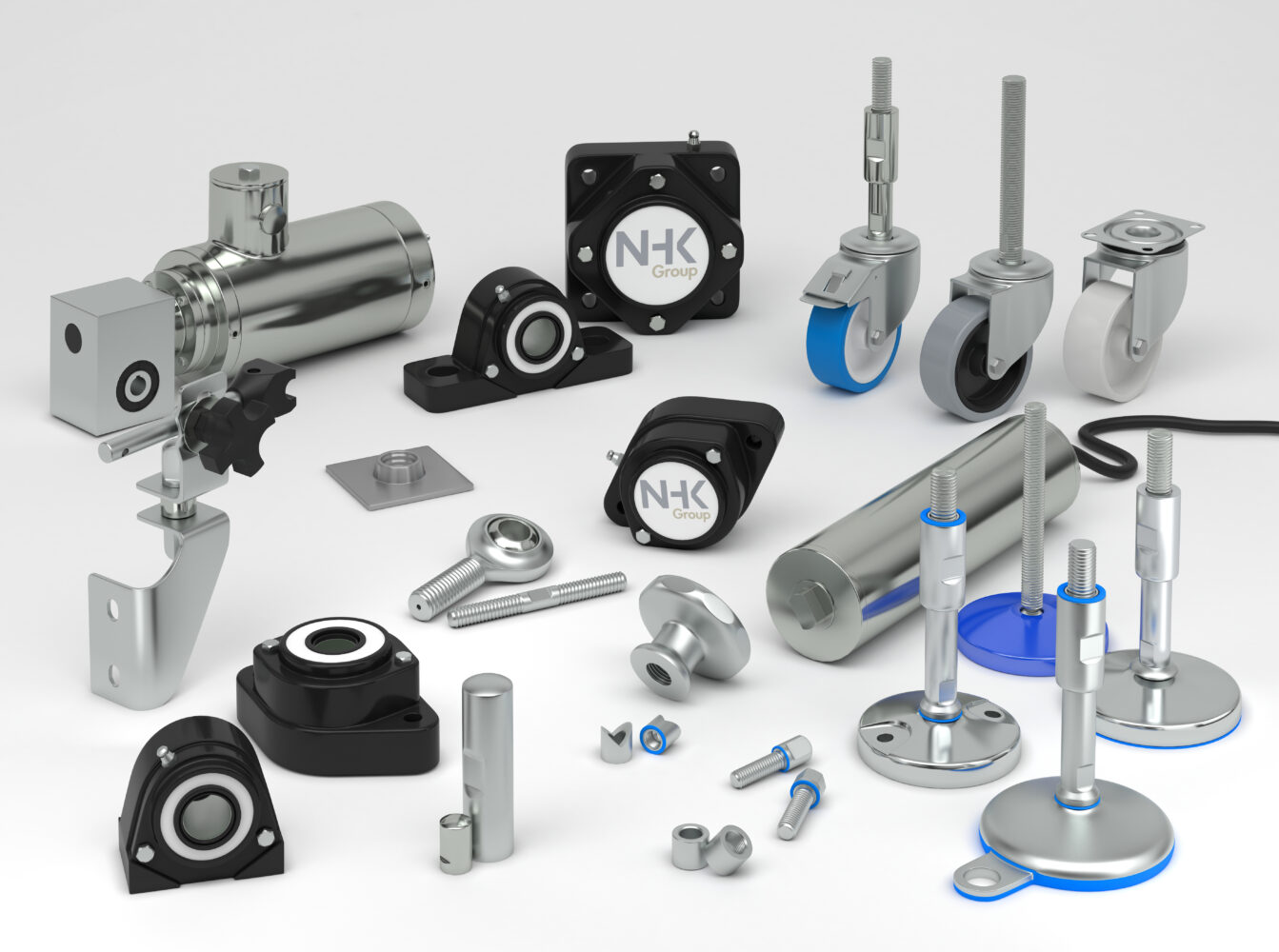
Boosting a business with industrial products means choosing machine components so that they reduce total work – ordering, stocking, installing, cleaning and documenting – not just buying parts that function. For OEMs and plants the biggest lever is usually standardisation: fewer, better-chosen component variants used consistently.
For how to order a single part from a shop, see NHK Group Shop: how to choose and order hygienic machine components. For life-cycle cost and payback calculations, see ensuring long-term cost savings. This page covers the decision above both: which variants to standardise on, and when to go custom.
Why does component choice affect the business, not just the machine?
Every extra variant of a foot, bearing unit or fastener creates work beyond its price:
- Spare parts: each variant needs stock, a location and a reorder point.
- Errors: similar-looking parts with different threads or seals get mixed up during maintenance.
- Documentation: certificates, declarations of compliance and material certificates must be checked and filed per variant.
- Cleaning validation: in food and pharma, every new design in a wet area is another detail for the hygiene team to assess.
- Training: installers and cleaners need to know how each variant is fitted and cleaned.
Standardising does not mean choosing the cheapest part. It means choosing a short list that covers the real range of duties.
Which components are worth standardising first?
| Component | Why standardise | What defines a variant | Typical number of variants |
|---|---|---|---|
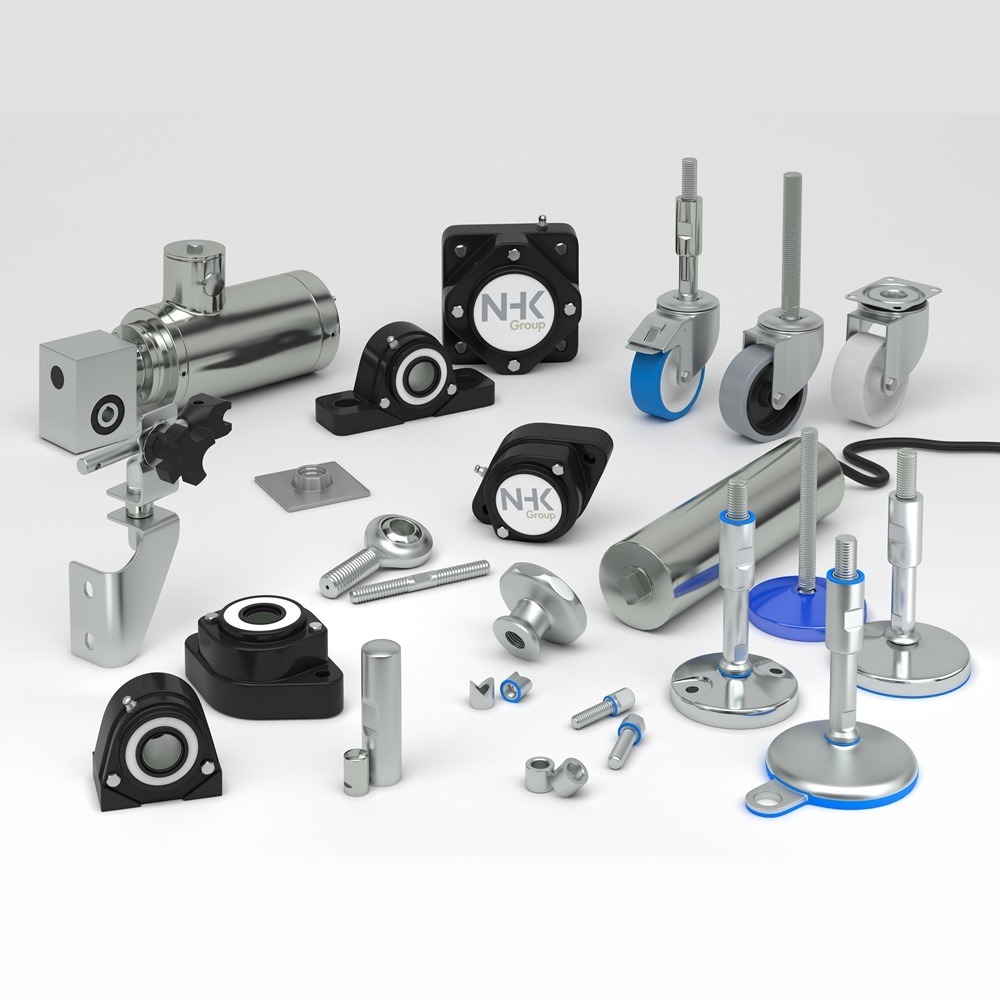
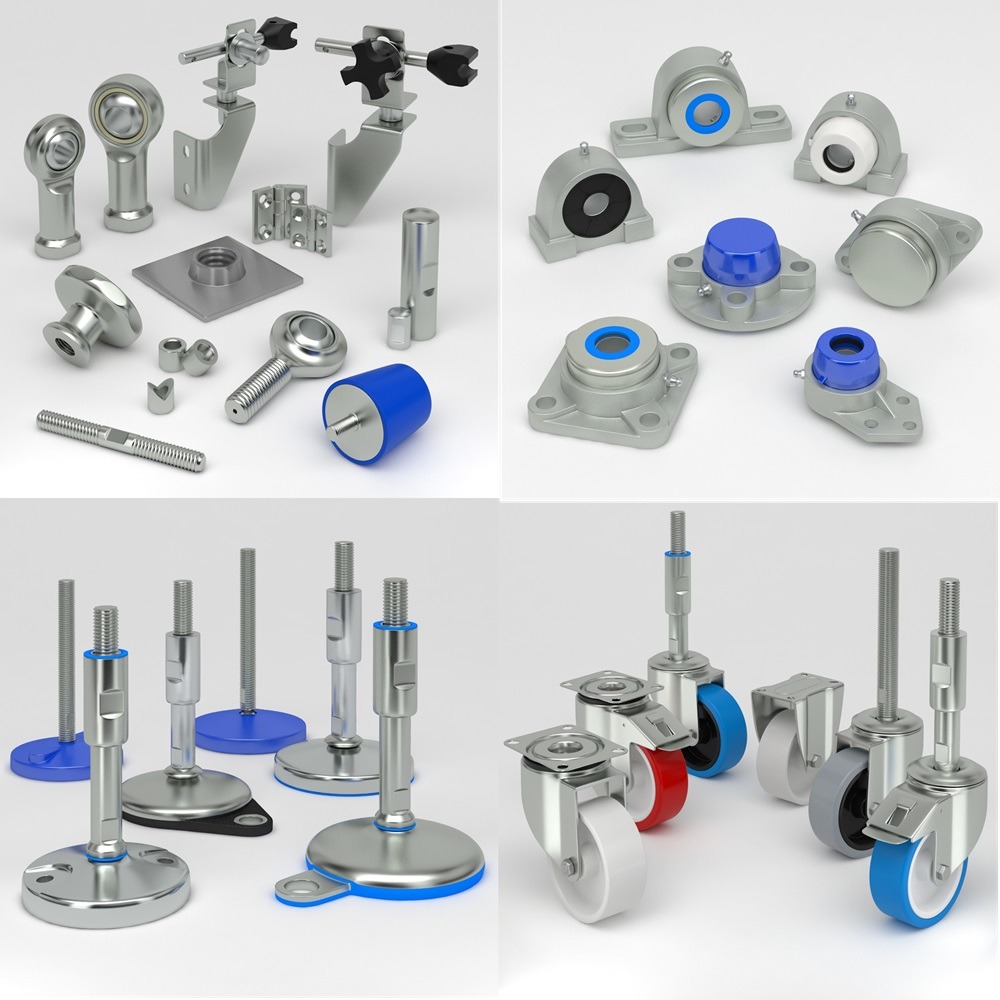
| Hygienic machine leveling feet | Used on every machine, often replaced | Zone, load range, thread size, fixing | Depends on load range; often 2–3 types in a few thread sizes |
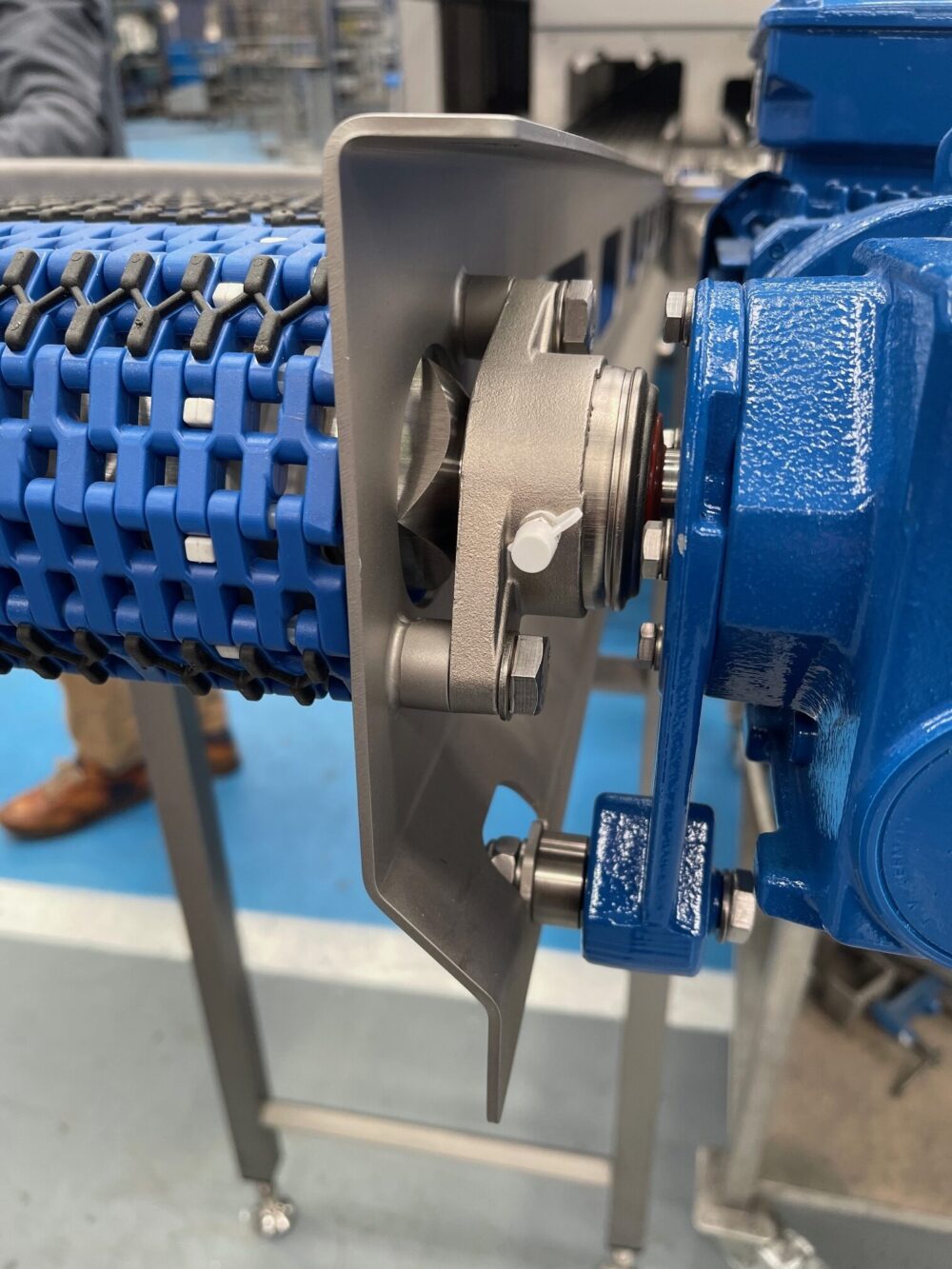
| Bearing units | High wear part; seal mix-ups cause failures | Bore, housing type, housing material, seal | One family per zone, several bores |
| Fasteners in wet areas | Exposed threads create harbourage points | Thread, length, hygienic or standard design | Hygienic bolts for splash zone, standard elsewhere |
| Seals and elastomers | Wrong compound swells or cracks | Compound (EPDM, FKM, VMQ), hardness | One compound per chemical regime |
| Castors | Mobile equipment moved between areas | Load, wheel material, brake, stainless or not | 1–2 types |
The variant counts are illustrations, not a rule; the right number depends on machine weights, zones and chemicals.
Harbourage points are places where microbes survive cleaning; EPDM, FKM and VMQ are common elastomer families with different resistance to fats, steam and detergents.
How to build a component standard list: step by step
- Inventory current parts. List every foot, bearing unit, fastener and seal variant on existing machines and in stock.
- Group duties by zone. Product-contact zone (touches product), splash zone (product and cleaning solution reach and drain back), non-contact zone.
- Group by load or size range. For feet, calculate load per foot = total load ÷ number of feet that actually carry it × safety factor; an uneven floor means fewer feet carry the load.
- Merge where the stricter part costs little more. If AISI 316L sealed feet cover both splash and dry zones at a small cost difference, one variant beats two.
- Set the hygiene baseline. For wet zones: no exposed thread, no crevices, self-draining shapes, stainless steel, food-contact-compliant base materials.
- Collect documents once. Certificates for the exact model where certification is claimed, declarations of compliance under EC 1935/2004, material certificates.
- Publish the list to design, purchasing and maintenance, with full article numbers.
- Review yearly and handle exceptions through a deviation process, not ad hoc orders.
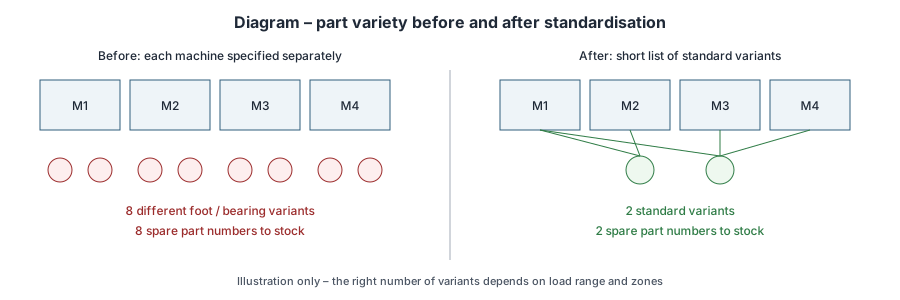
Example – assumptions stated, not product data. A plant has 12 machines using 9 different foot variants. Machine weights fall into two load ranges, and all machines stand in either a washdown hall or a dry packing hall. The team chooses one sealed stainless foot type for the washdown hall in two thread sizes and one stainless type for the dry hall in two thread sizes: 4 variants instead of 9. Documents are now checked for 4 variants, and maintenance carries 4 spare part numbers.
When is a custom component worth it?
The old version of this page offered "bespoke design or a unique configuration". Custom parts have a place, but they cost more than their price: drawings to control, longer lead times, and a spare-part risk if the supplier changes.
| Situation | Standard part | Custom part |
|---|---|---|
| Load and size within catalogue range | Preferred | Not justified |
| Installation space too small for any standard variant | Try a different standard type first | Justified if machine change is costlier |
| Special hygienic requirement in a product-contact zone | Use a certified standard design if one exists | Justified if none exists; plan for design review |
| Unusual chemical or temperature exposure | Check material and elastomer options | Justified if no compatible standard exists |
| Large series machine with fixed design | Standard, if it fits | Possible, with agreed long-term supply |
Failure modes of poor standardisation
- Over-merging: a light-duty foot standardised for a heavy machine. Keep load ranges honest.
- Under-specifying hygiene: a dry-area part ends up in the washdown hall. Mark the zone on the standard list.
- Mixed metals: standard stainless parts fixed with plain steel bolts invite galvanic corrosion in wet areas.
- Stale documents: certificates expire or models change. Review the list yearly.
What the old page claimed – and what to check
The old page promised "rigorous testing", "the highest standards", "fast and reliable delivery" and "certified components" without naming them. For a standard list, check per variant: certificate for the exact model (EHEDG certifies specific designs; 3-A Symbol authorisation follows a Third Party Verification; both voluntary), declaration of compliance for food-contact materials, and agreed lead time from the supplier.
Where to start in the NHK range
For a standard foot range, the relevant NHK line is stainless steel machine levelling feet; the NHK Group Shop and the full NHK product line list other components. Take ratings and certificates from the individual product pages, and send standardisation or custom questions to NHK contact.