
Industries and applications
Published by NHK Group ApS
The basic rules of hygienic design apply everywhere, but each industry puts different stress on machine components. Meat and poultry plants clean with high-pressure water and aggressive chemicals, often several times a day. Dairy combines wet cleaning with strict microbiological control. Bakery is mostly dry, but flour and dough create their own cleaning challenges.
Beverage lines see sugar, acids and constant moisture. Pharmaceutical production adds documentation, validation and very controlled cleaning procedures. Other hygiene-critical sectors have their own mix of these conditions.
The pages in this section look at typical machines and zones in each industry, the cleaning regimes they face, and what that means for the choice of feet, bearing units, castors and conveyor parts.
Use these pages as a starting point for your own risk assessment. Plant hygiene plans, local regulations and customer requirements will always add detail that a general guide cannot cover.
Industries and processes
Food processing equipment and machinery for dairy, grain, frozen, fruit and vegetables, beverage, poultry, seafood, bakery and convenience food.
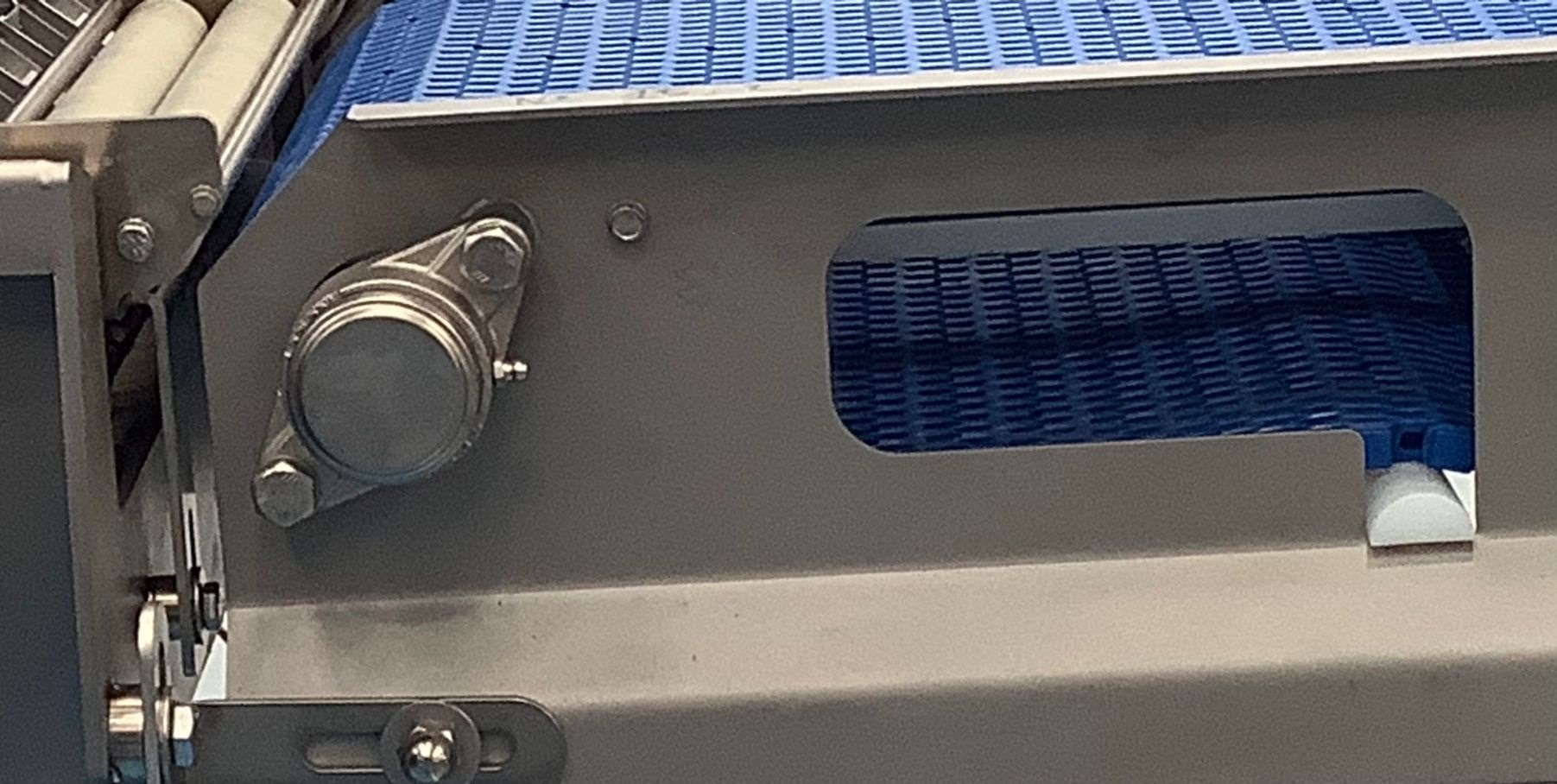
Food Processing Equipment: Types by Process Step and Hygiene Requirements
Food processing equipment by process step and sector: hygiene risks, cleaning regimes, materials, documents to request and an RFQ checklist for parts.
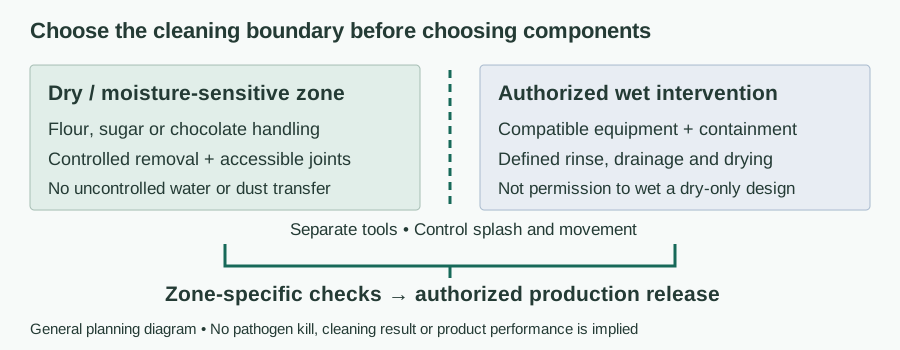
Bakery and Confectionery Production Equipment: Hygiene and Parts
Map bakery and chocolate process risks to components: flour dust, dry cleaning, allergens, sugar, heat, inspection and supplier-document checks.
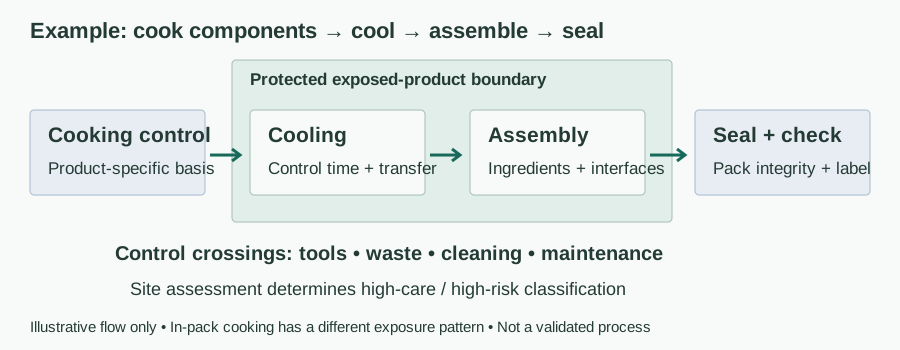
Convenience Food Processing: Ready-Meal Hygiene and Parts
Map ready-meal process steps, high-care and high-risk boundaries, cleaning exposure and component evidence before specifying chilled-food machinery parts.
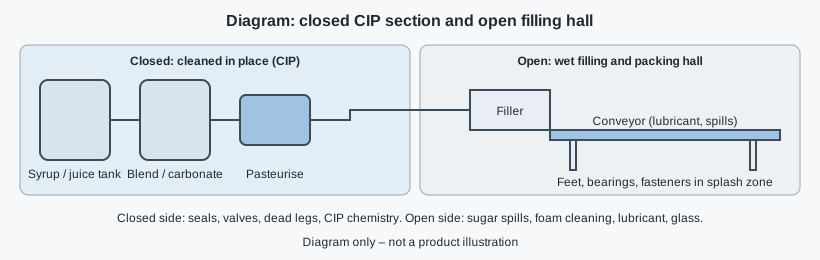
Beverage Processing: Hygienic Components for Juice and Soft Drink Lines
Beverage processing explained by line section: CIP, wet filling halls, materials and seals, and what juice and soft drink lines need from components.
Dairy Processing Equipment: Process Steps, CIP and Component Choices
Dairy processing equipment step by step: hygiene risks, CIP and foam cleaning, and what they mean for feet, bearings, conveyor parts, seals and 3-A.
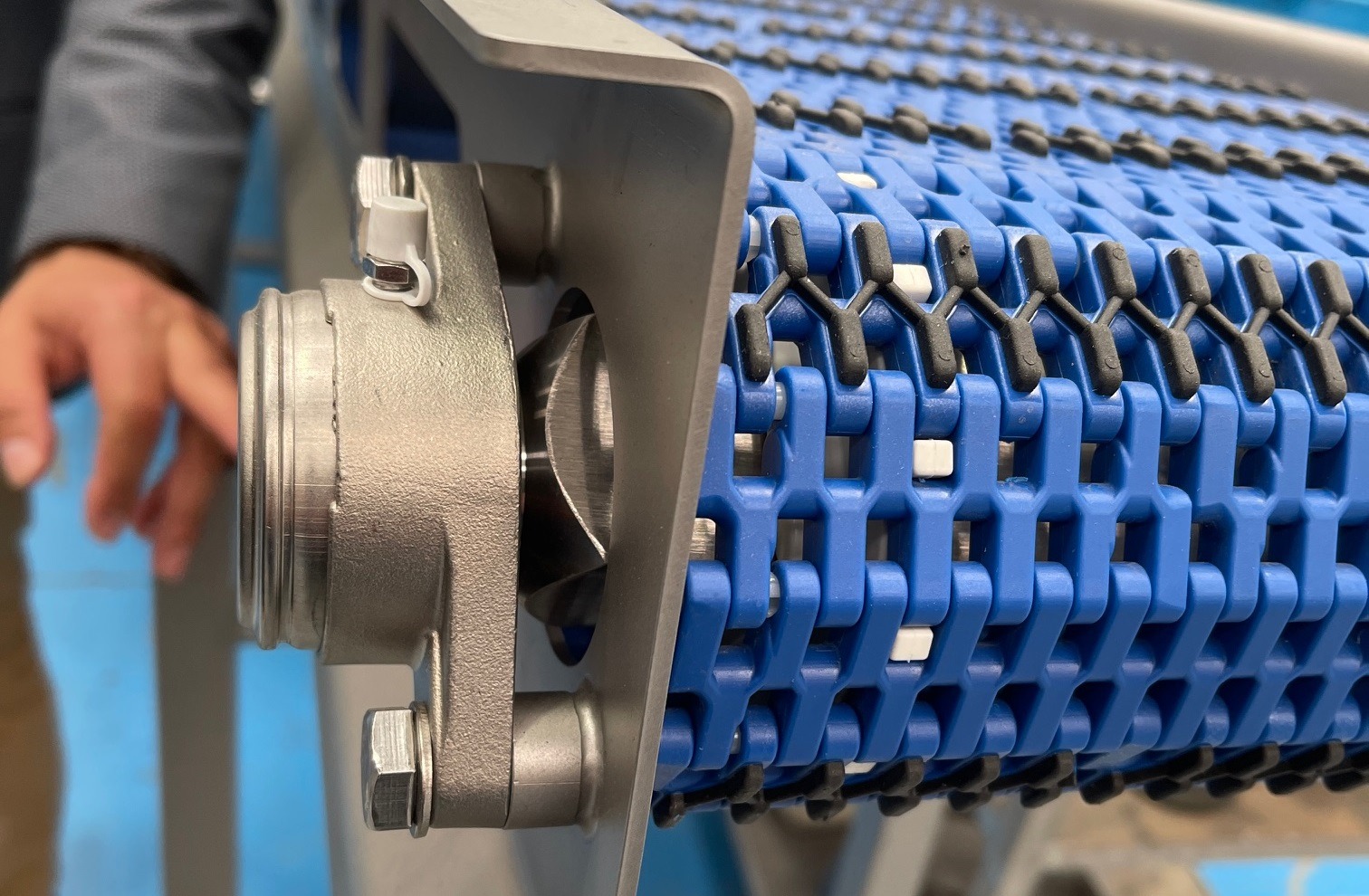
Food Processing Machinery: How It Is Built and the Hygienic Rules for Each Part
How food processing machines are built – frames, drives, conveyors, bearings, fasteners and feet – with the hygienic design rule and spec for each part.
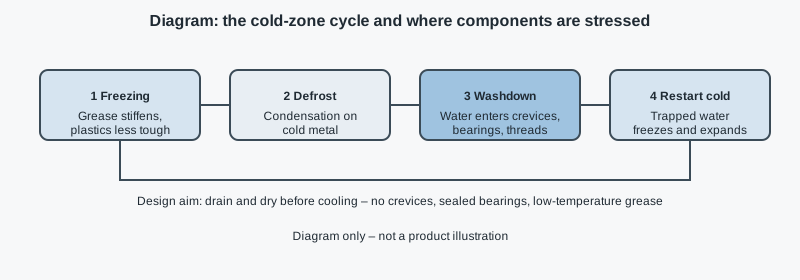
Frozen Food Processing Equipment: Components for Cold, Wet Zones
Frozen food processing equipment: how cold, condensation and washdown affect materials, grease, bearings, castors and feet – with checklist and example.
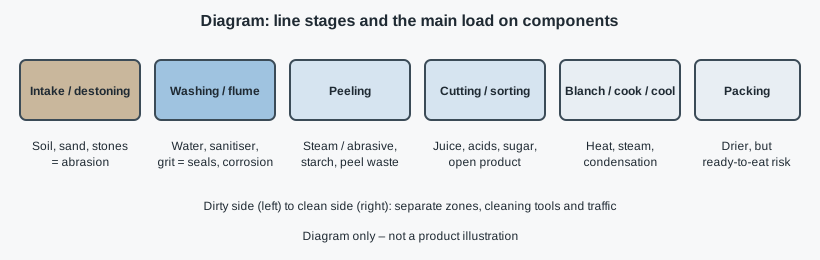
Fruit Processing, Vegetable and Potato Lines: Component Requirements
Fruit processing, vegetable and potato lines: stage-by-stage risks, abrasion, sanitiser corrosion and what they mean for bearings, feet and conveyor parts.
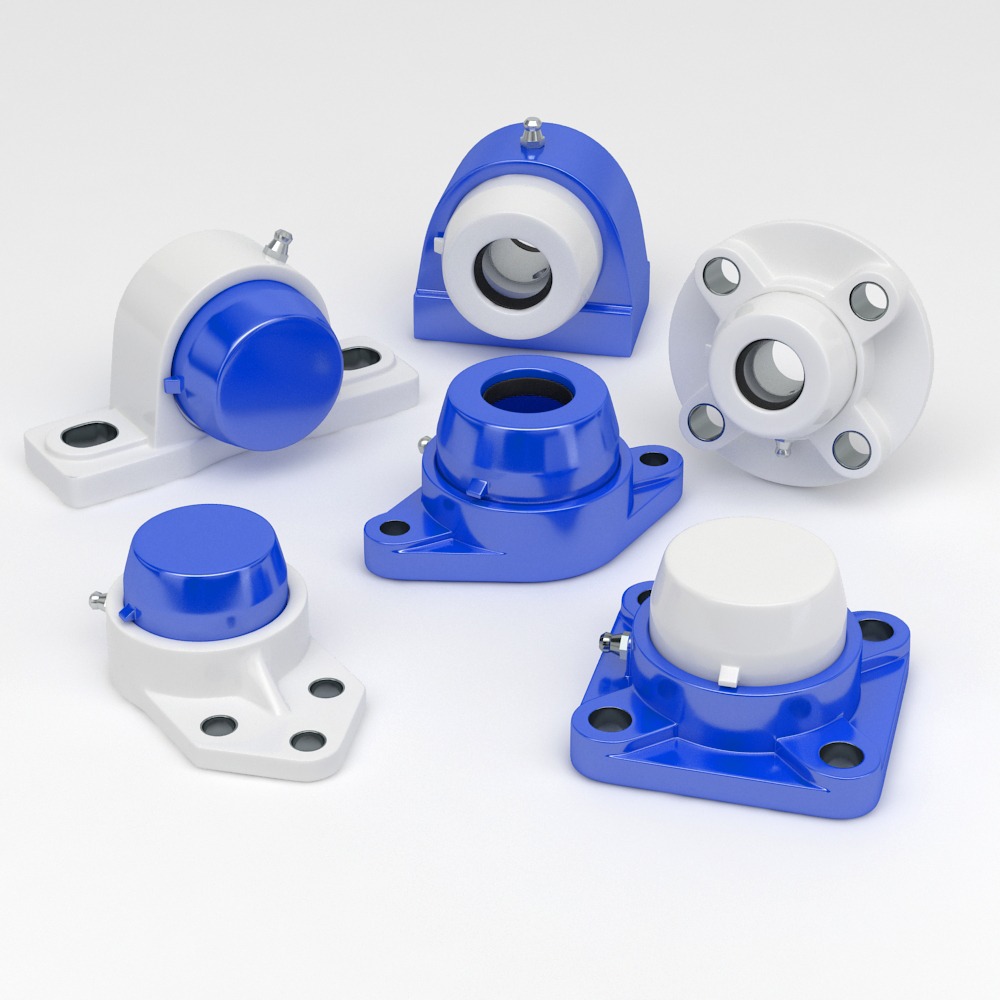
Grain Processing Equipment: Dust, Dry Cleaning and Component Design
Cereal and grain processing equipment step by step: dry cleaning, dust and ATEX awareness, allergen changeover – and what they mean for bearings, feet and frames.
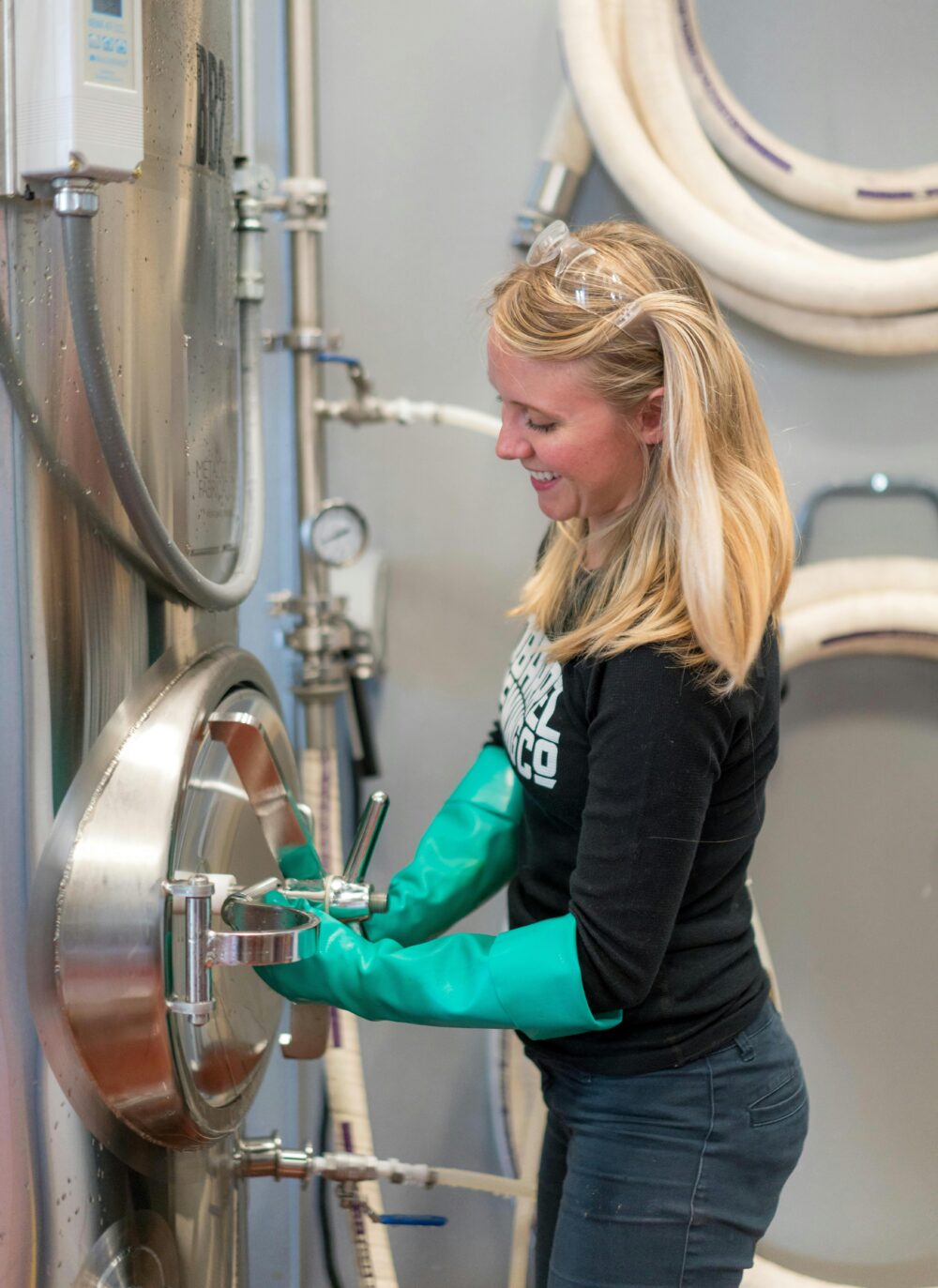
Designing Adaptable Machinery for Poultry Processing
How to design modular, quick-changeover poultry machinery that stays hygienic: interfaces, changeover method, selection table and a worked example.

Manual Labor vs. Automation in Poultry Processing: How to Decide, Station by Station
Manual labor vs. automation in poultry processing: a station-by-station decision method, the hygiene impact of each option, and what automated lines need.
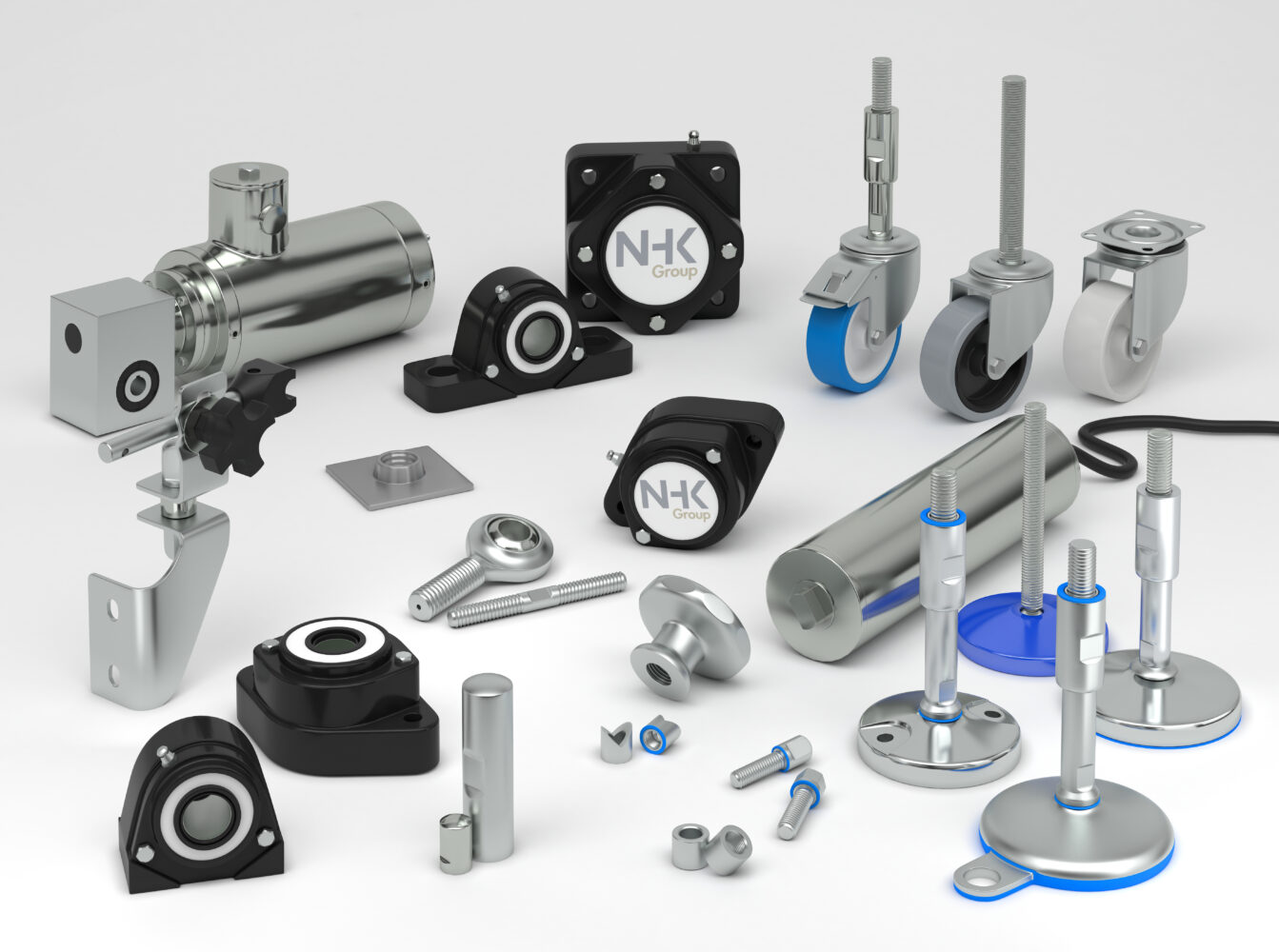
Navigating Challenges in Poultry Processing: Larger Birds and Faster Line Speeds
How larger birds and faster line speeds affect poultry equipment: conveyor and bearing loads, hygiene, ergonomics – with a check method and worked example.
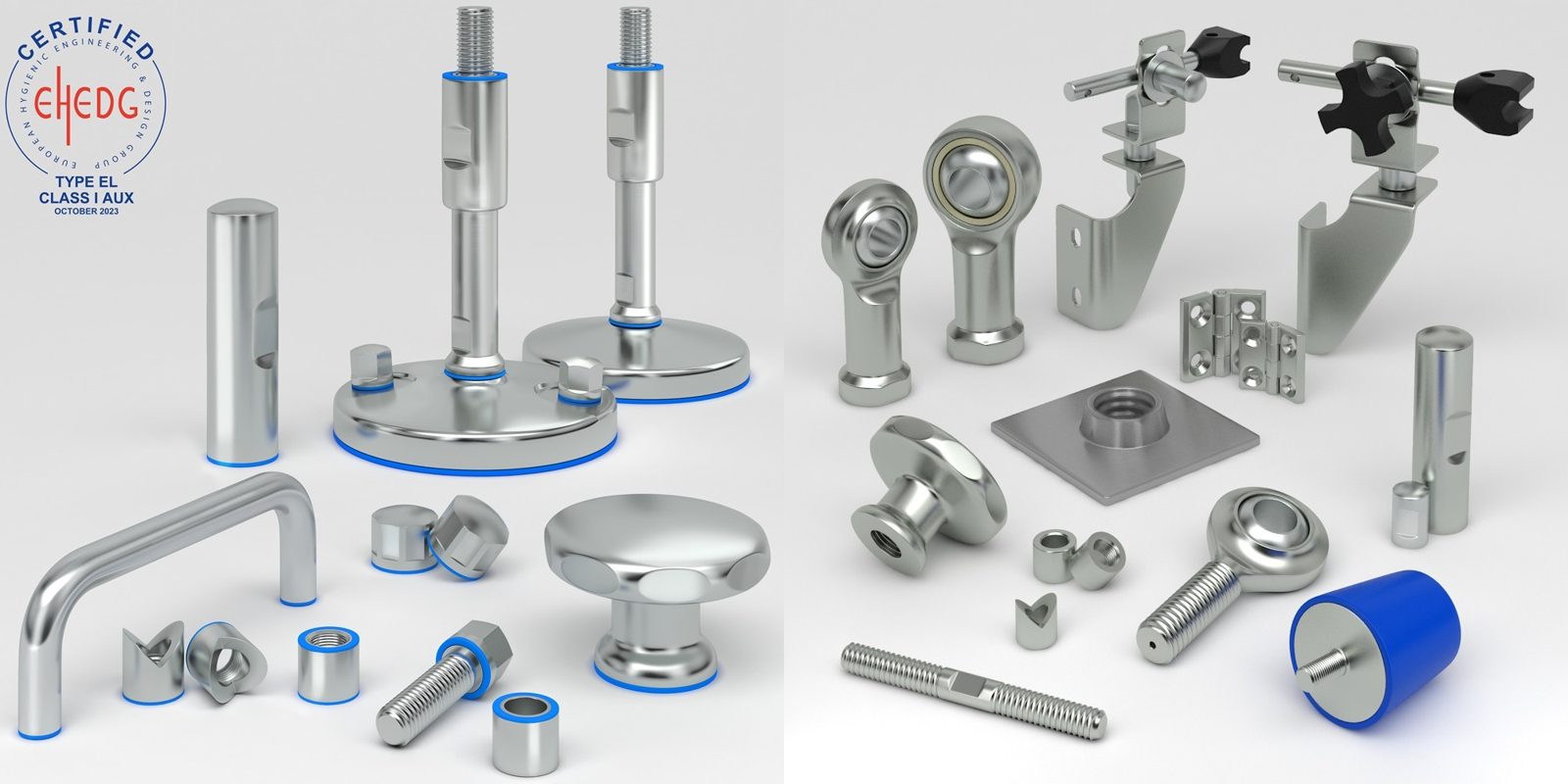
Strategies to Lead the Poultry Processing Industry: An OEM Engineering Guide
OEM strategies for poultry processing equipment turned into design decisions: automation, hygienic design, modularity, spares and service – with a checklist.
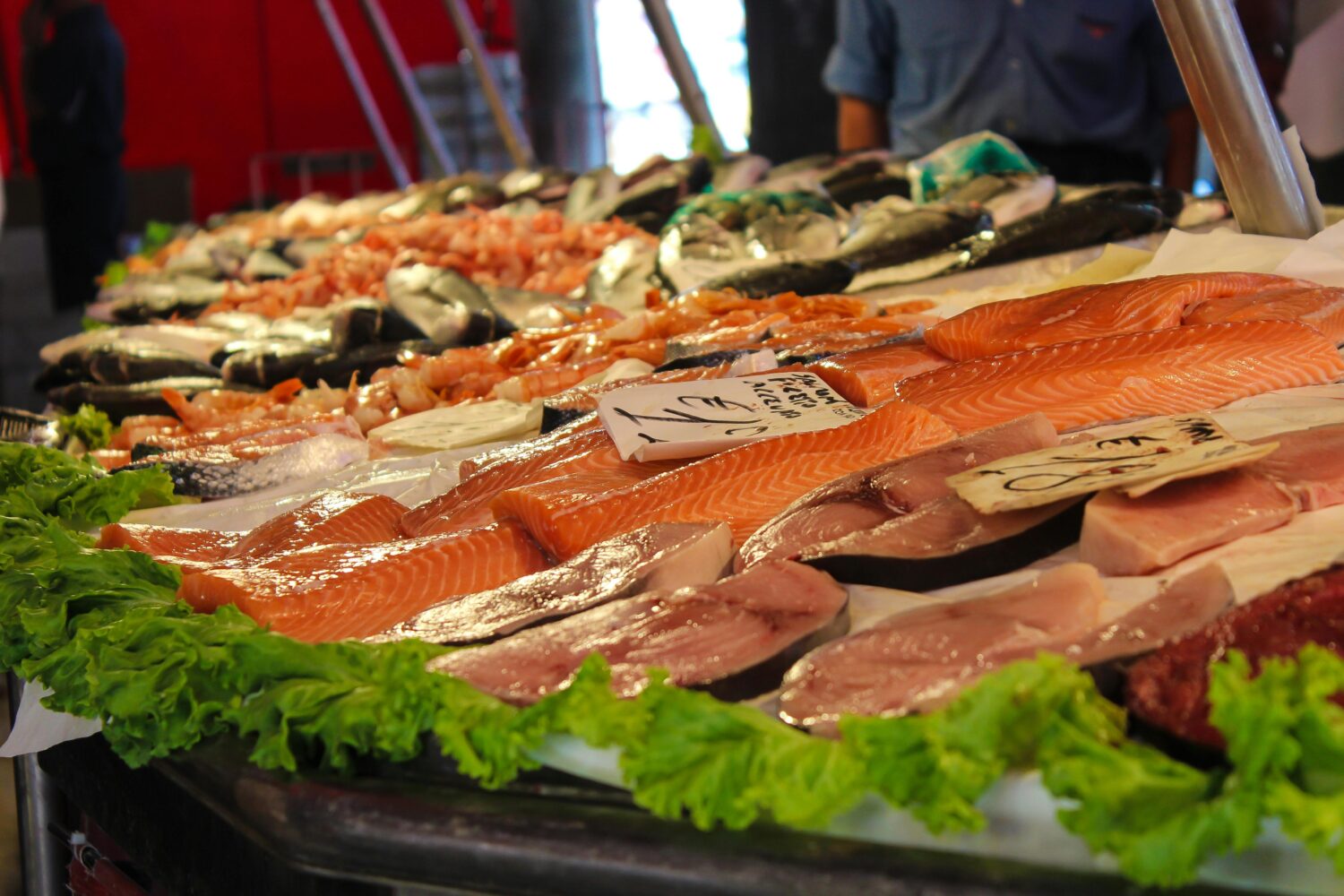
Sustainable Seafood and Combat Overfishing: What Processors Can Control
Overfishing facts, key fisheries terms and how seafood processors support sustainable seafood by cutting spoilage, recalls and corrosion-driven waste.
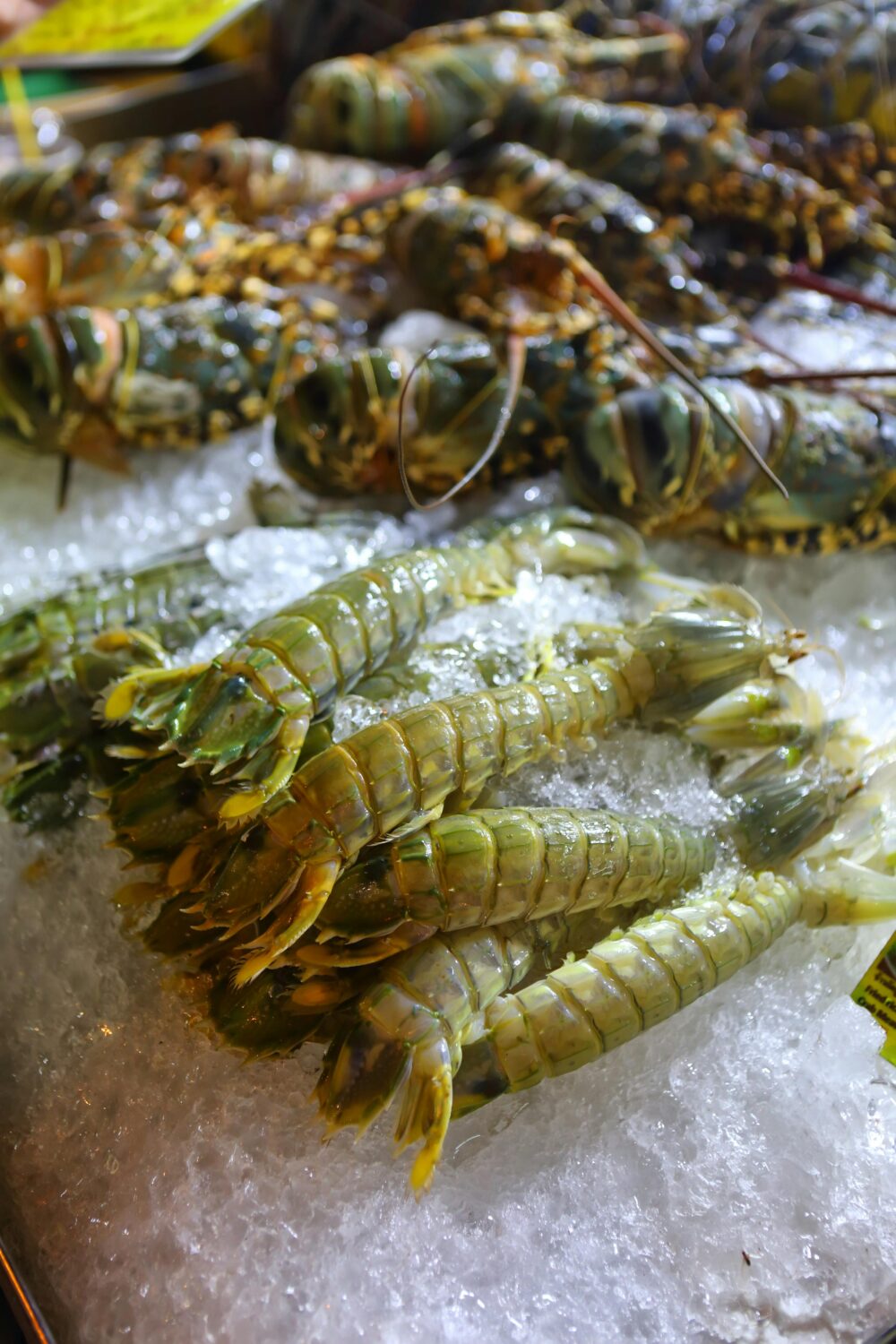
Seafood for Long-Term Sustainability: Product Groups and Plant Hygiene
Fish, crustaceans and molluscs, raw or cooked: how seafood type sets plant hygiene demands, and how processors cut loss for long-term sustainability.
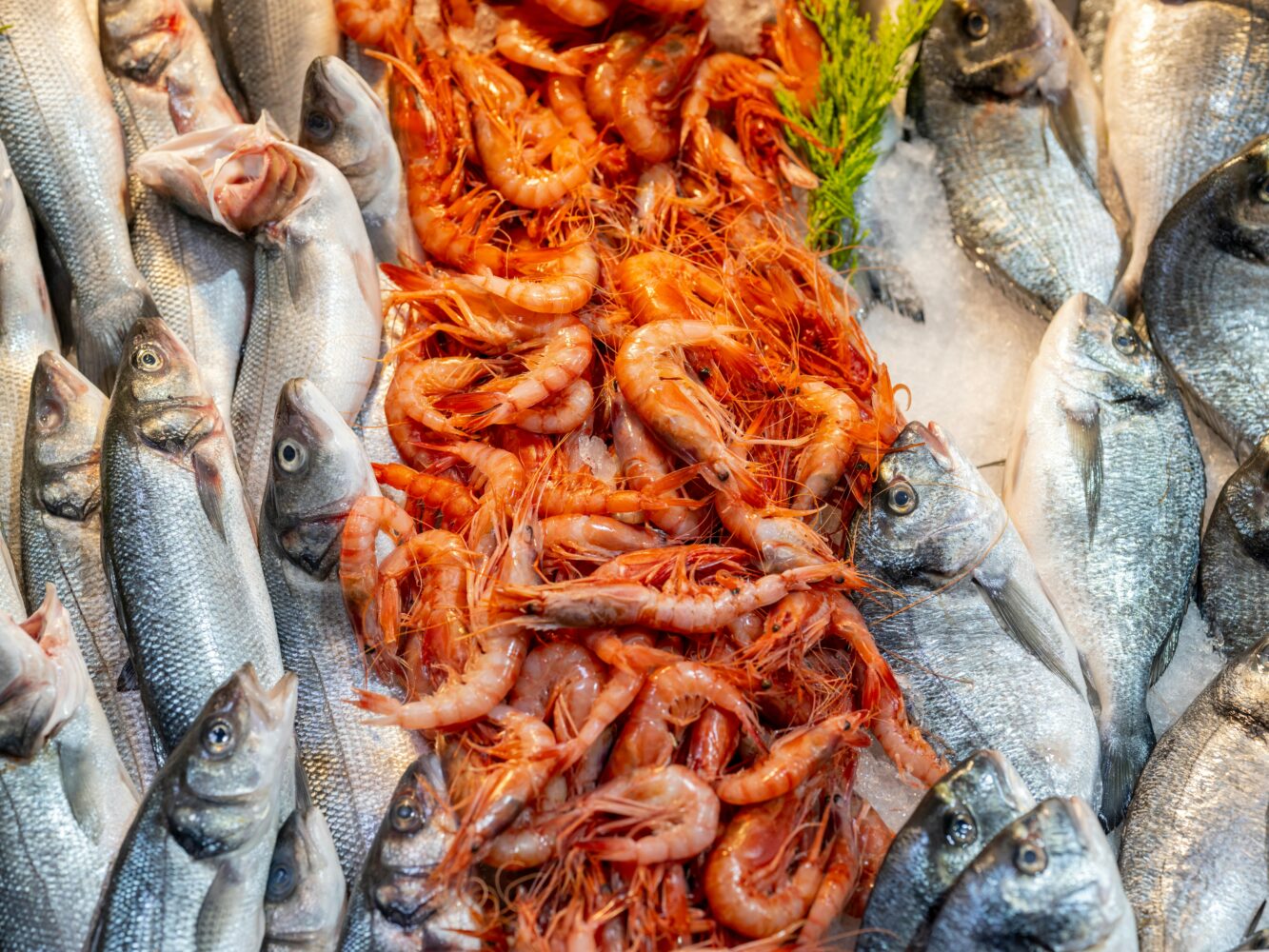
Seafood Sustainability Solutions in Processing: Equipment by Process Step
Seafood processing step by step – gutting, filleting, freezing, smoking, surimi – and the hygienic equipment choices that cut waste and support traceability.
Need components for this application?
NHK Group supplies hygienic bearing units, levelling feet, castors and conveyor components for food, dairy, beverage and pharmaceutical machinery.