Hygienic design and standards
Published by NHK Group ApS
Hygienic design is the discipline of building equipment that can be cleaned quickly, completely and repeatably. A machine that traps product residue in crevices, threads or dead spaces needs longer cleaning cycles, more water and more detergent, and it still carries a higher risk of microbial growth and product recall.
Most of those traps sit in the components: the feet that carry the frame, the bearing units on the shafts, the fasteners, guides and brackets. That is why hygienic design starts at component level rather than with the finished machine.
The pages in this section explain the principles and the frameworks used to assess them. They cover EHEDG guidelines and certification, 3-A Sanitary Standards, ingress protection ratings such as IP67 and IP69K, and practical design rules: self-draining surfaces, radiused corners, closed seams, accessible fixings and suitable seal materials.
Each standard has its own scope and wording. Where we cite a certificate or a standard, we try to state exactly what it covers. Always check the current version of a standard and the requirements of your own application before you specify a part.
Hygienic design principles
Design rules, hygienic zones, open vs closed systems, standard parts, factory layout and audits.
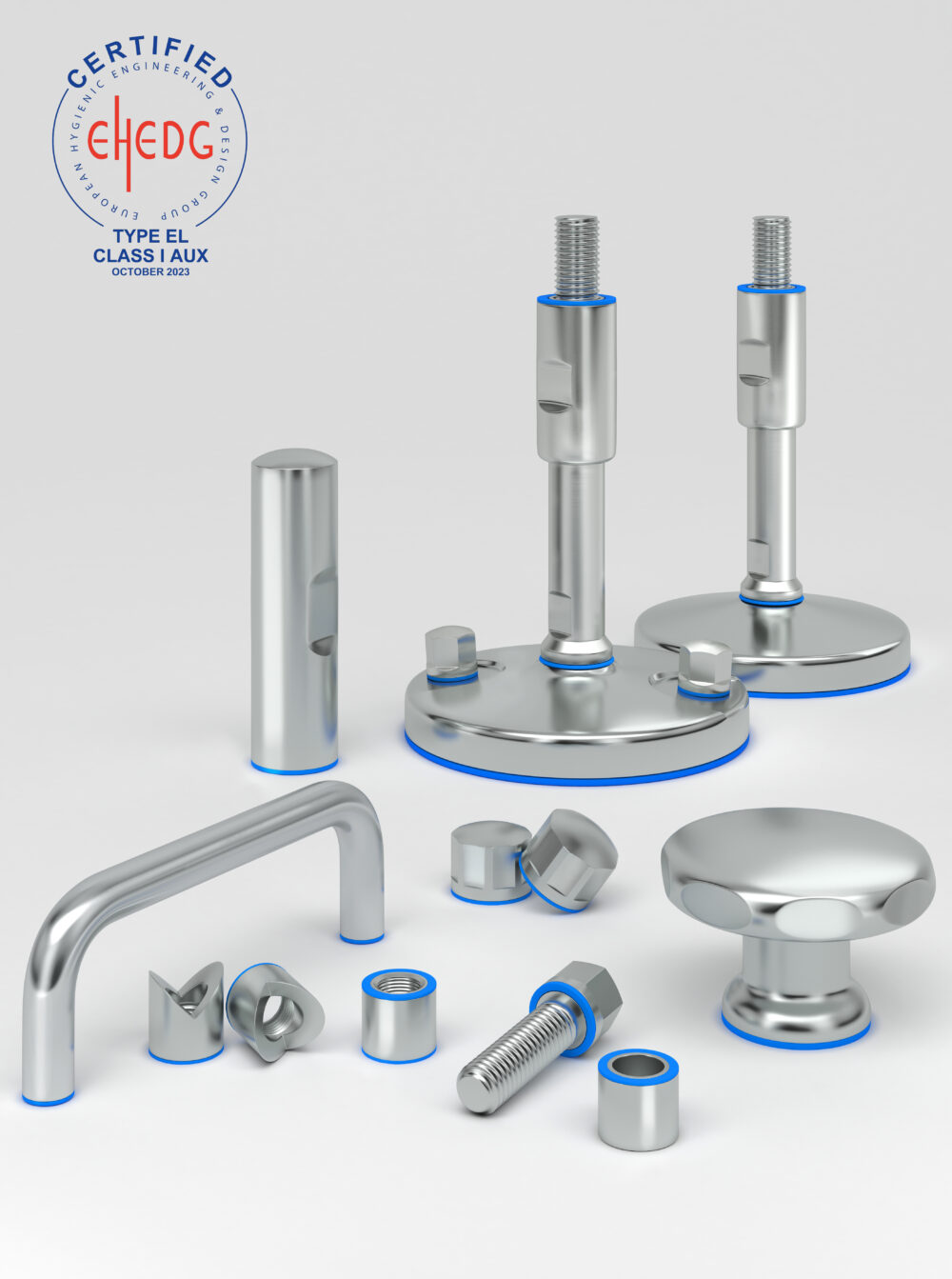
The Core of Hygienic Design in Food Processing Machinery
What hygienic design means for food processing equipment: core principles, how feet and bearings apply them, a design-review checklist and an example.
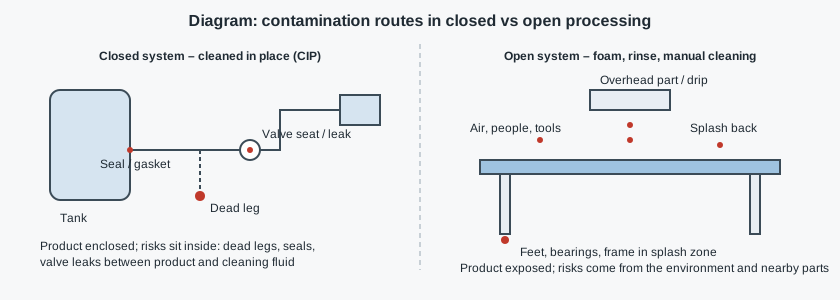
Open vs Closed Processing Systems: Contamination, Cleaning and Components
Open vs closed processing in food plants: contamination routes, CIP vs manual cleaning, hygienic zones and what each means for seals, bearings, feet and bolts.
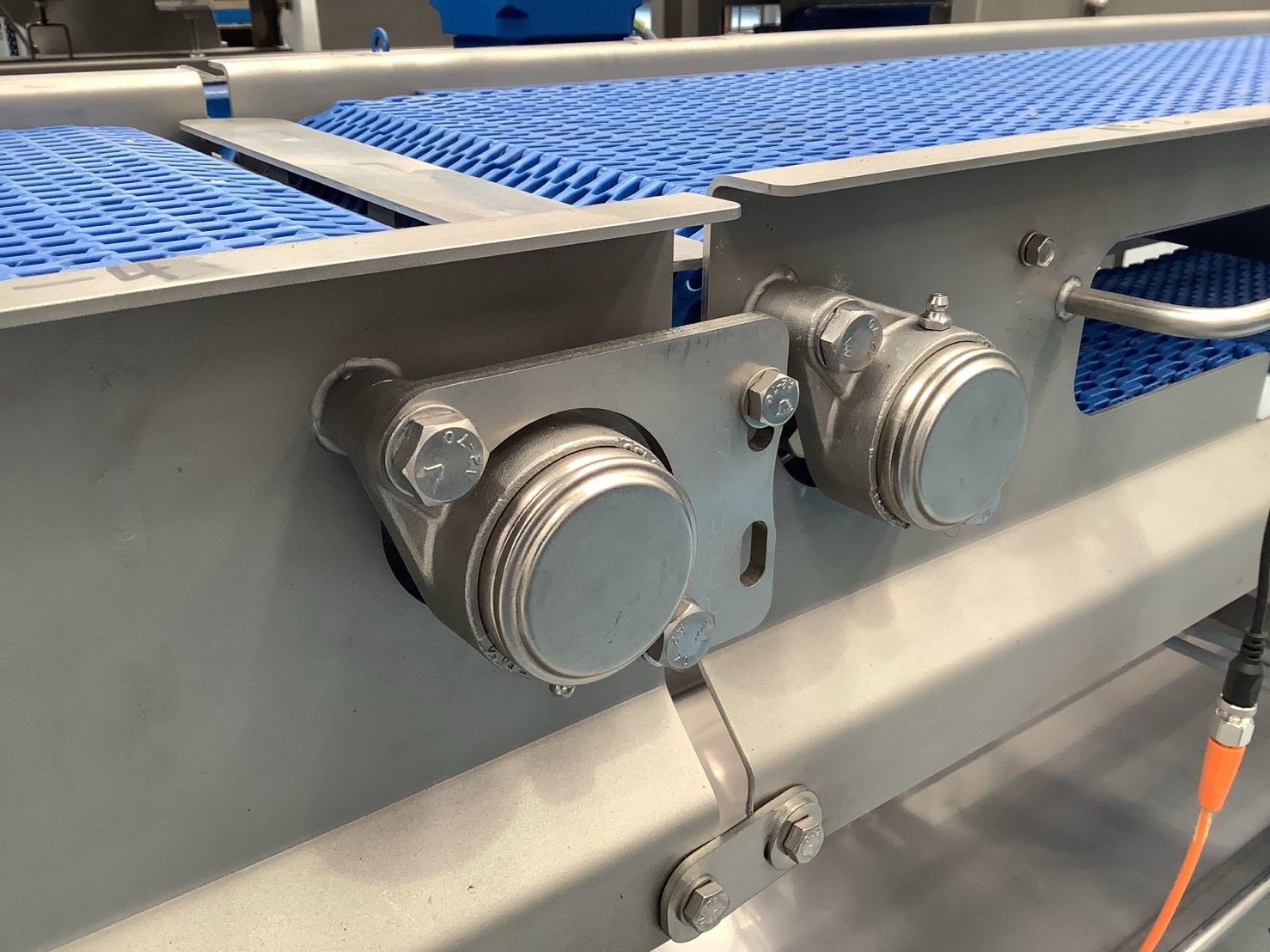
Standard Parts in Hygienic Design: When They Are Acceptable
Where standard parts are acceptable and where hygienic components are needed – zone by zone, with typical substitutions for bolts, feet, bearings and brackets.
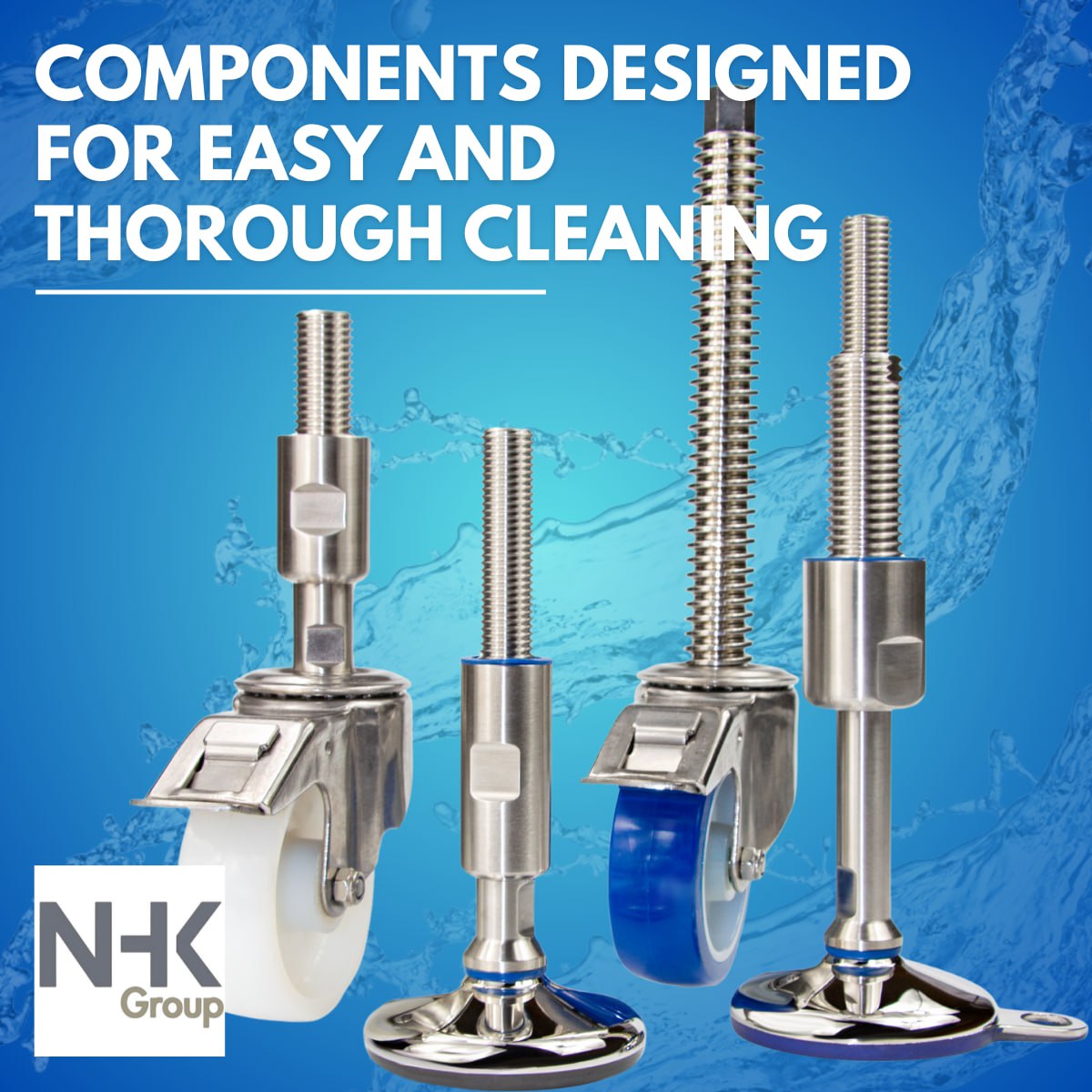
Innovations in Hygienic Design: What Is Changing in Components and How to Evaluate It
Innovations in hygienic design for food machinery: surface finishes, materials, sealed bearings, levelling feet and sensors – and how to evaluate each one.
Automated Hygienic Components: Shaping the Future of Food Manufacturing
How sensors, automated cleaning and smart components fit hygienic design: mounting rules, materials, data use and a checklist for food and pharma lines.
Hygienic Machine Design Standards in 2025: Which Hygienic Standard Applies to Your Machine
Hygienic machine design standards explained: which hygienic standard is law, which is voluntary, and how EN 1672-2, ISO 14159, EHEDG and 3-A fit together.
Bespoke Trends of 2025 with Machine Innovation in Focus: Standard or Custom Hygienic Components
Bespoke trends of 2025 in machine innovation: when to use standard hygienic nuts, feet and components in a custom machine, and how to specify them.
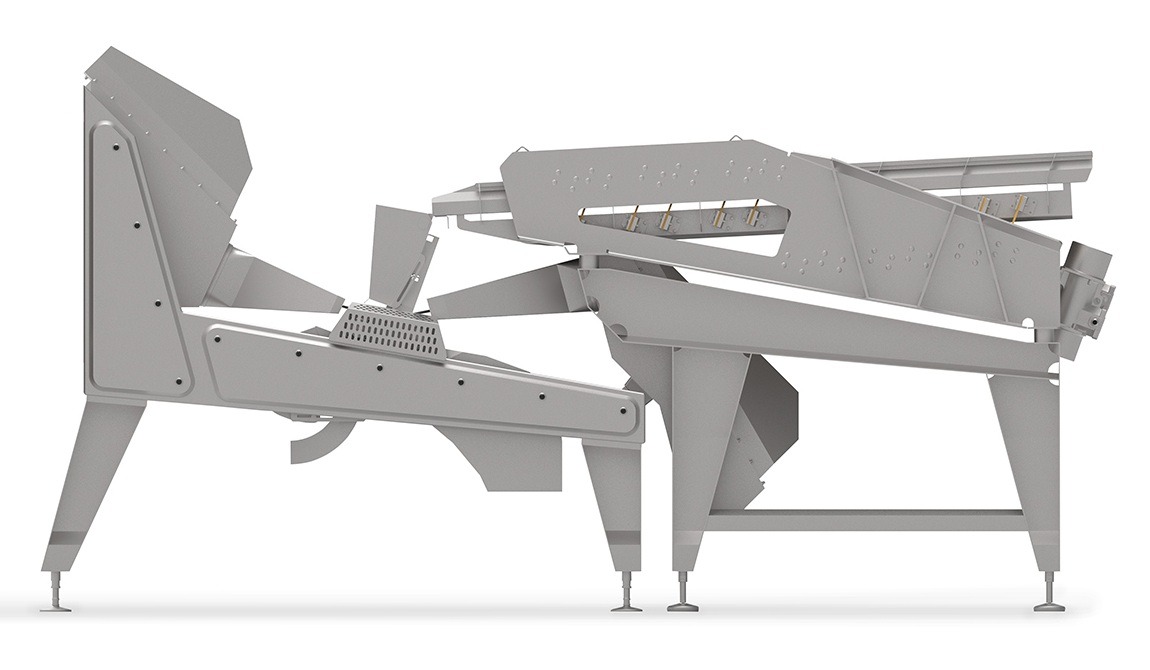
Conversion of Machinery for Increased Efficiency: Moving Equipment from Low-Risk to High-Risk Use
Conversion of machinery for increased efficiency: when to retrofit or replace equipment moving into high-risk zones, and which components to change first.
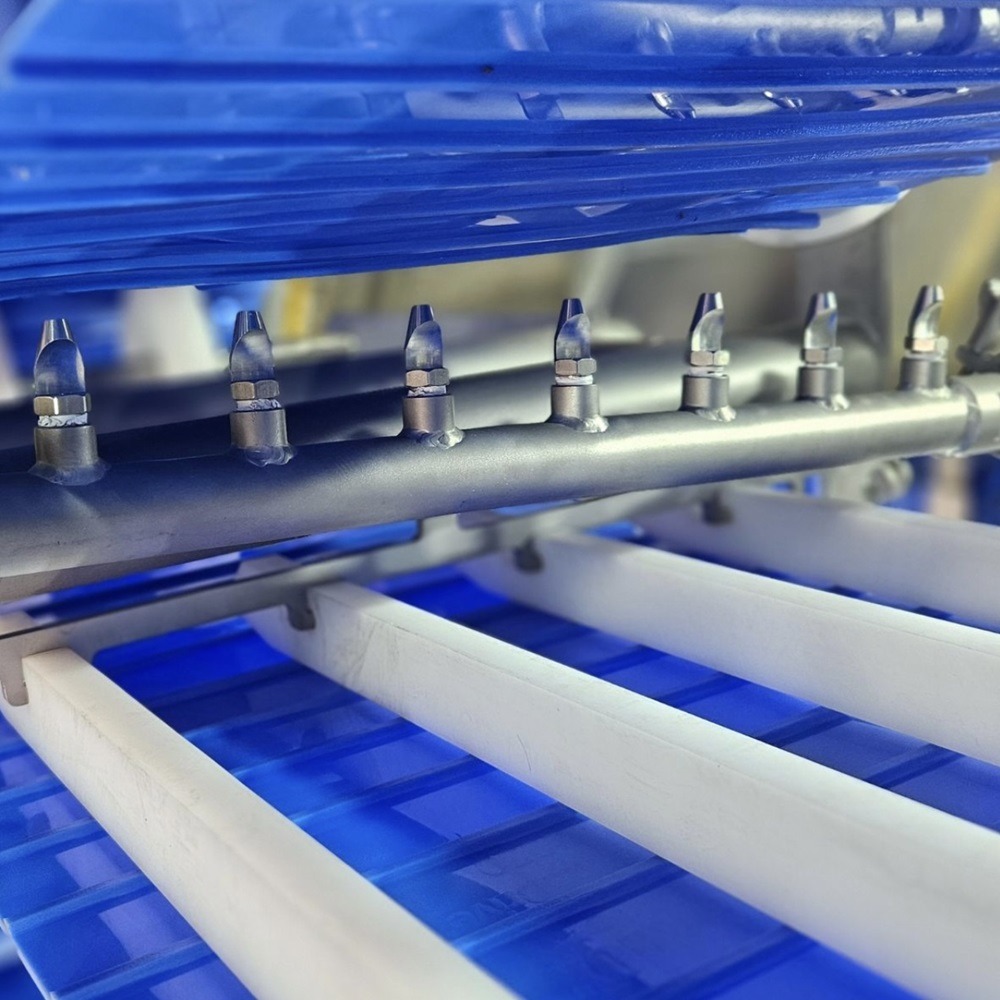
Hygienic Design Principles for Food Factories and Other Sanitary Industries: Factory Layouts Compared
Hygienic design principles for food factories, dairy, pharma and biotech: how zoning, air, floors and equipment requirements differ by sanitary industry.
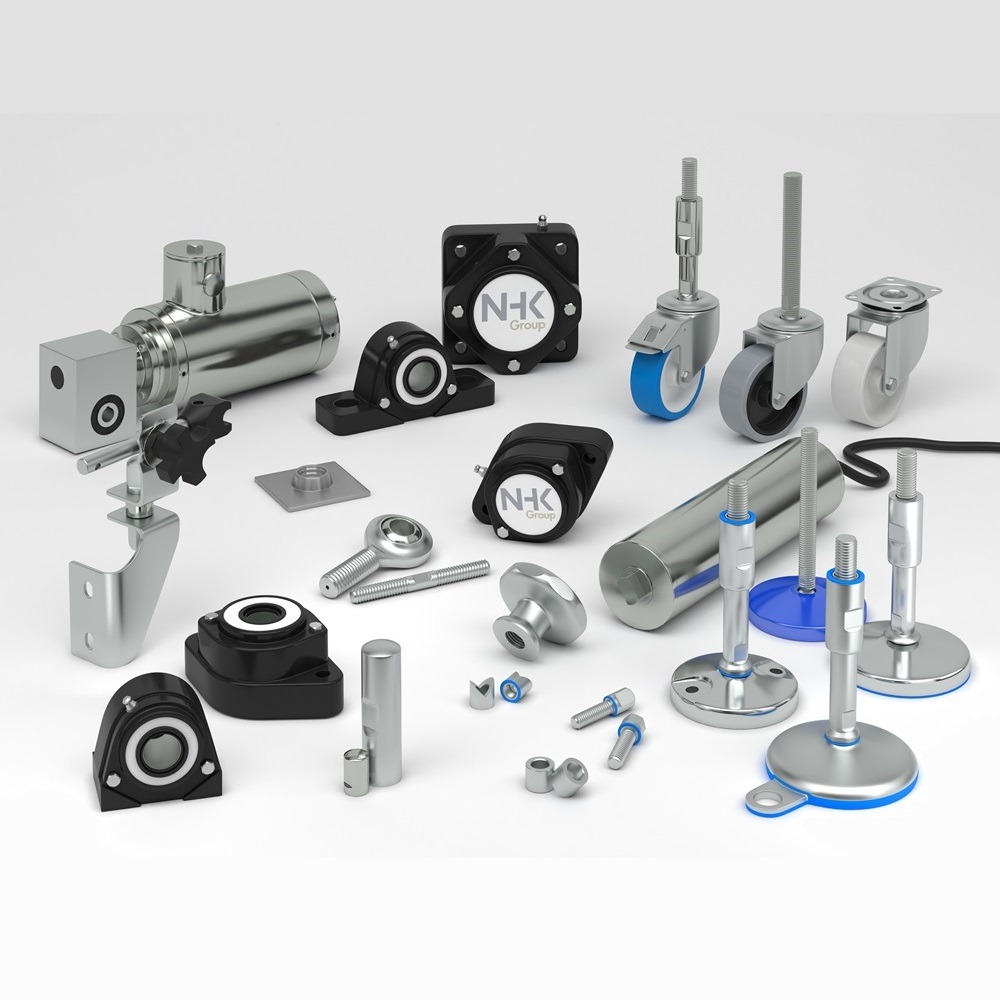
Key Considerations for Hygienic Design in Factory Layouts: Zoning, Floors and Machine Placement
Key considerations for hygienic design in factory layouts: zoning, one-way flow, floors and drains, and how to place machines so they can be cleaned.
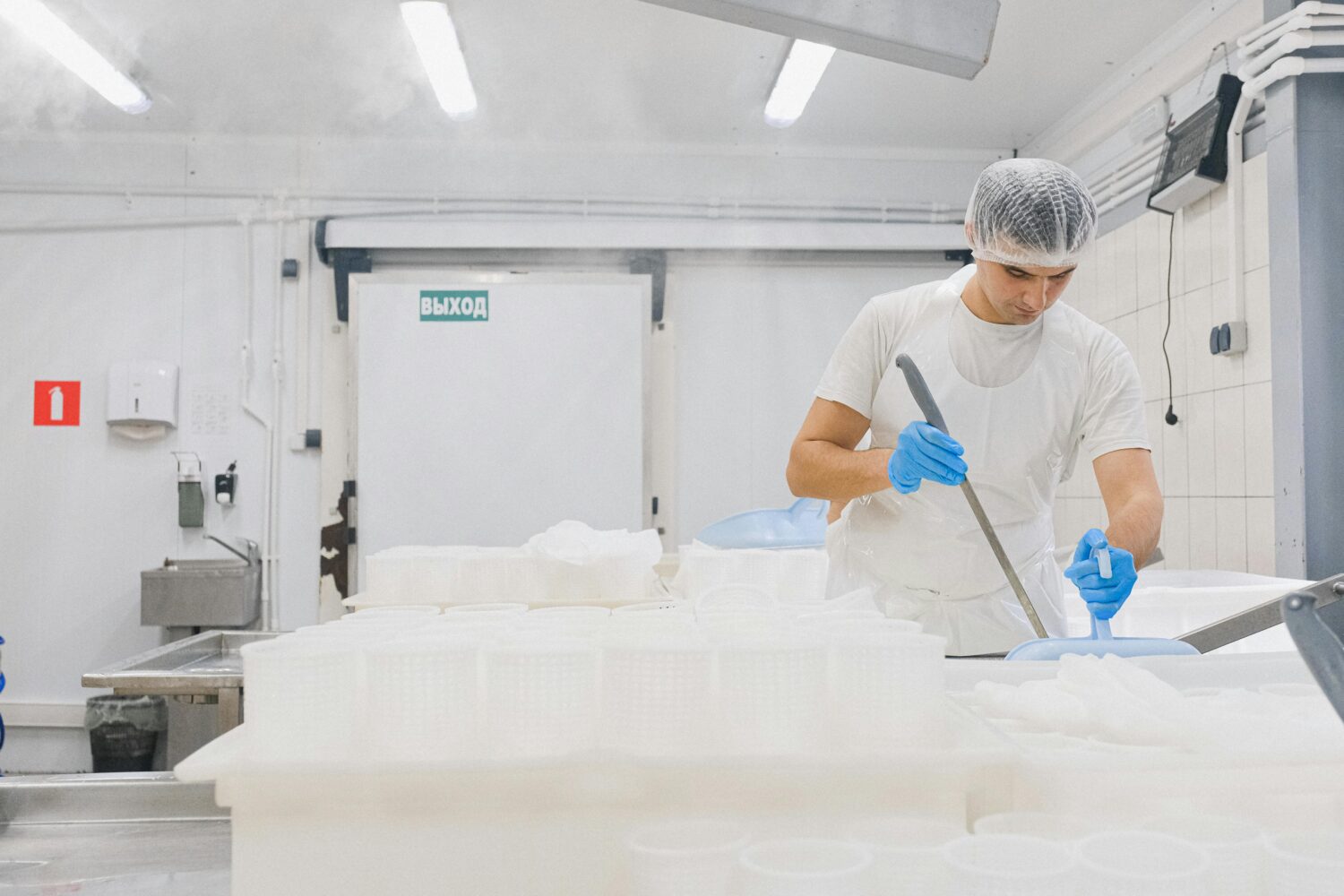
Innovations Enhancing Equipment Precision and Efficiency: AI and Condition Monitoring
Where AI and condition monitoring improve machine precision and efficiency in food plants – what data they need, selection steps and a worked example.
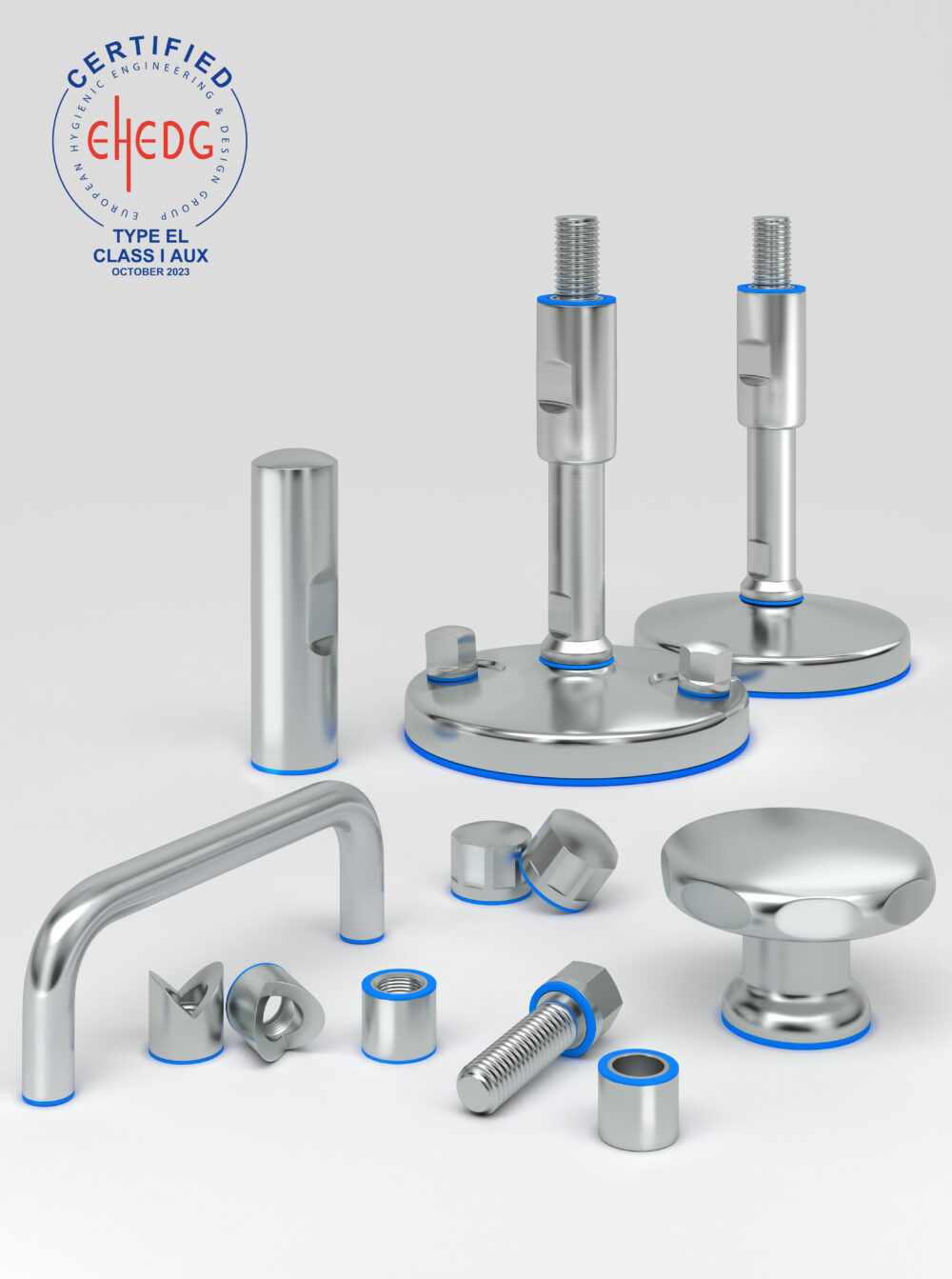
Meeting Rigorous Hygiene and Environmental Standards: What Equipment Components Must Prove
Which hygiene and environmental requirements apply to processing equipment, what EHEDG and 3-A cover, and the documents to request for each component.
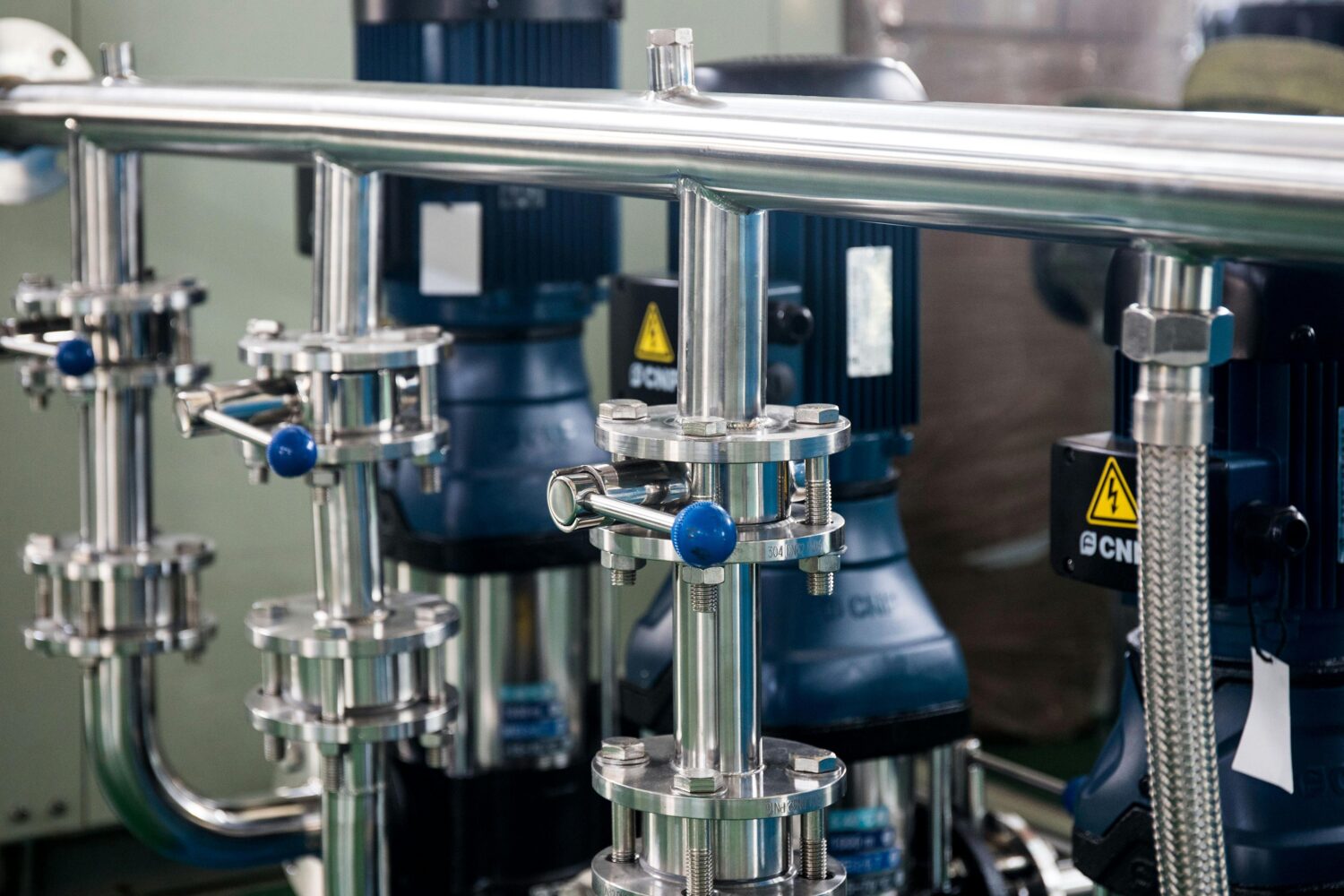
The Importance of Hygienic Optimization: Putting Cleaning Cost into Total Cost of Ownership
How to put cleaning cost into the total cost of ownership of food processing machines: cost model, design drivers table, worked example and RFQ checklist.
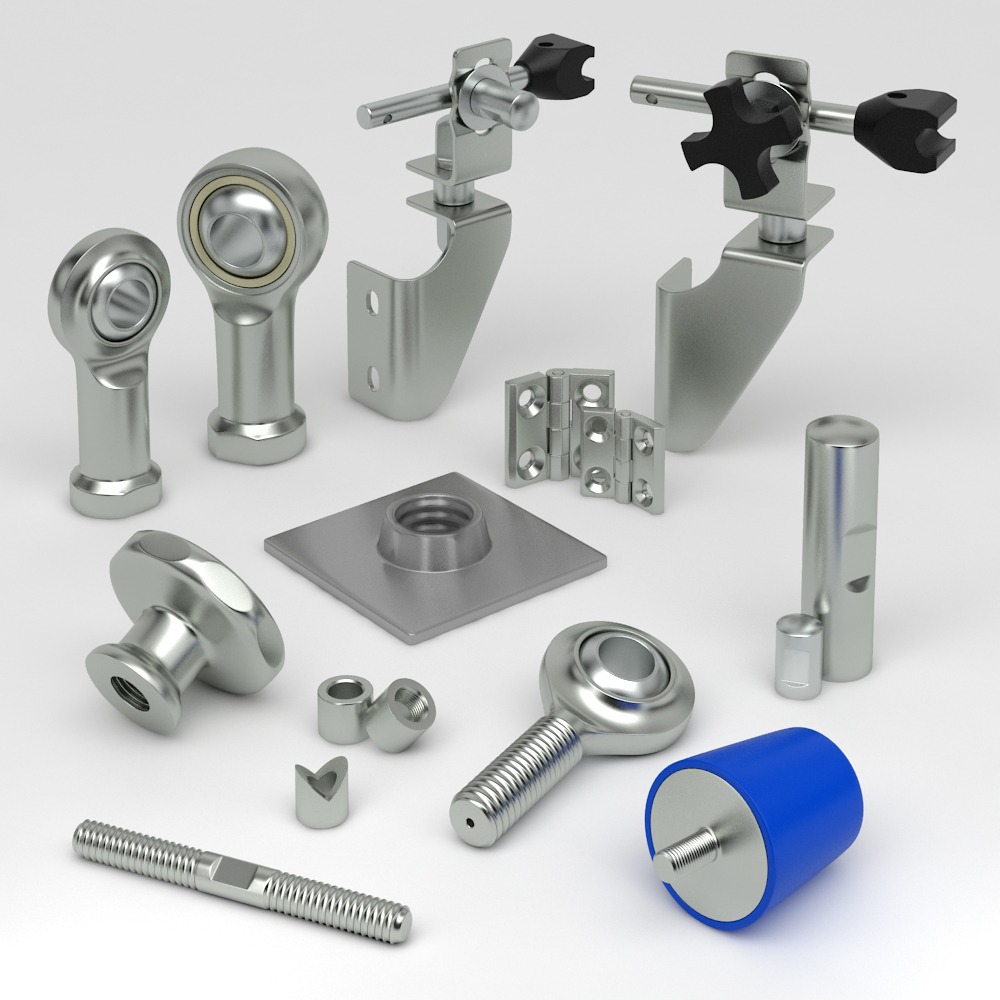
Hygienically Optimized Machine Parts: A Guide to Food Processing Parts
What makes food processing parts hygienically optimized: zone-by-zone requirements, a part selection table, an RFQ checklist and common failure modes.
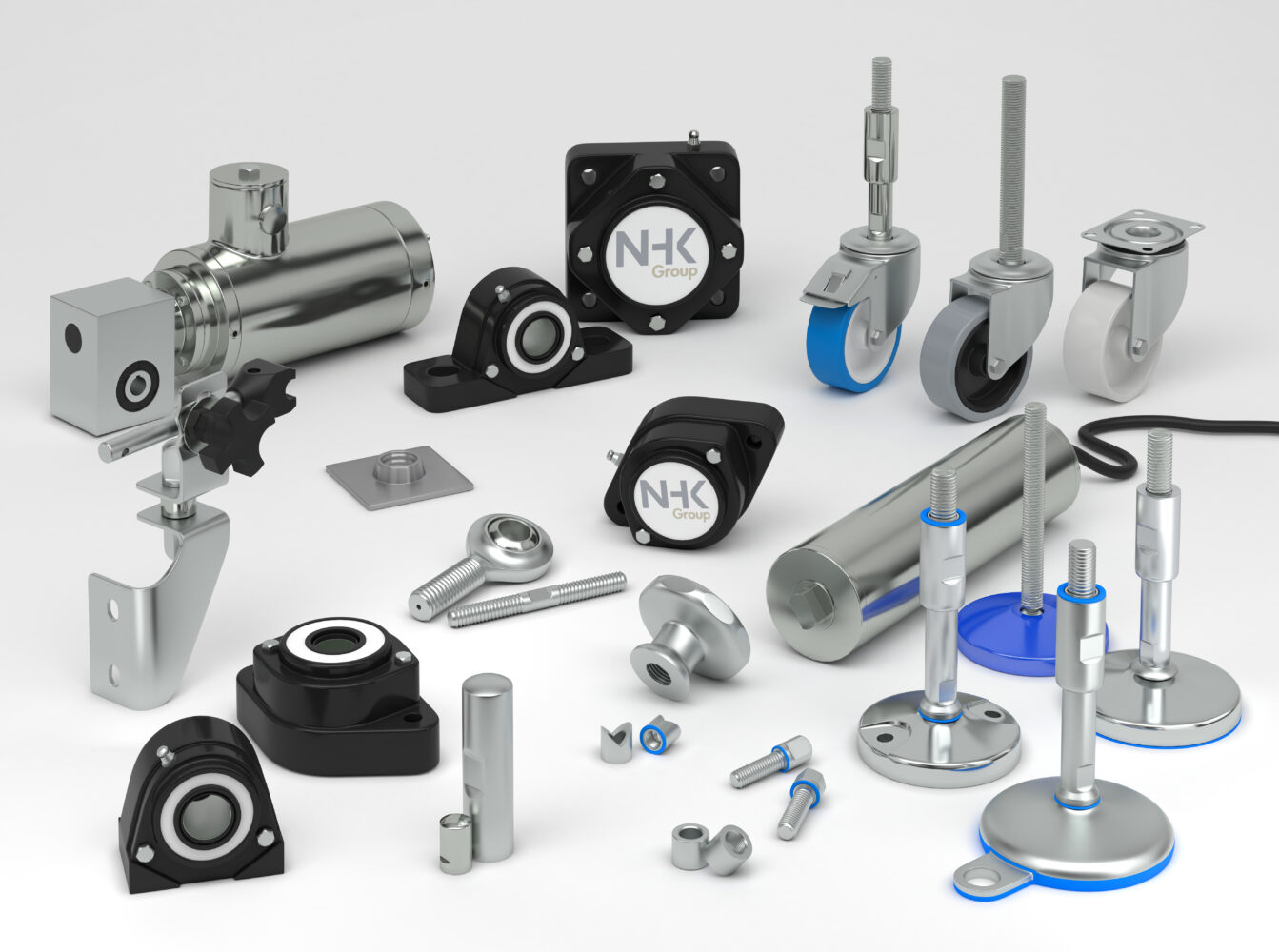
Sanitary Optimized Parts and Components: Requirements by Industry
How sanitary part requirements differ in dairy, beverage, food, pharma and cosmetics – with an industry table, selection steps and an RFQ checklist.
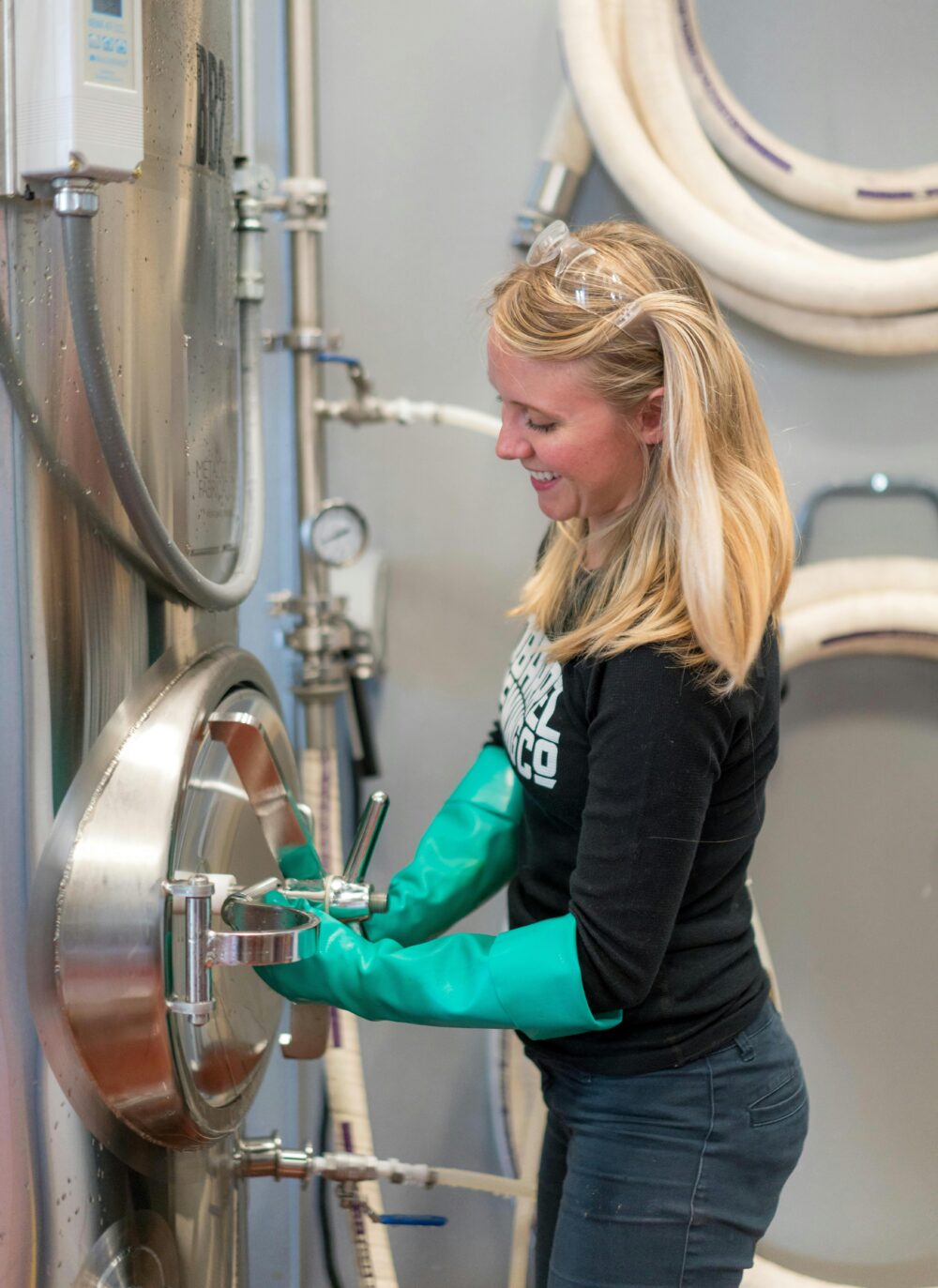
How to Optimize Your Machines Hygienically: A Guide for Machine Builders
A practical programme for machine builders: train engineers, know the right standards, apply quick wins on feet, seals and surfaces, then test and improve.
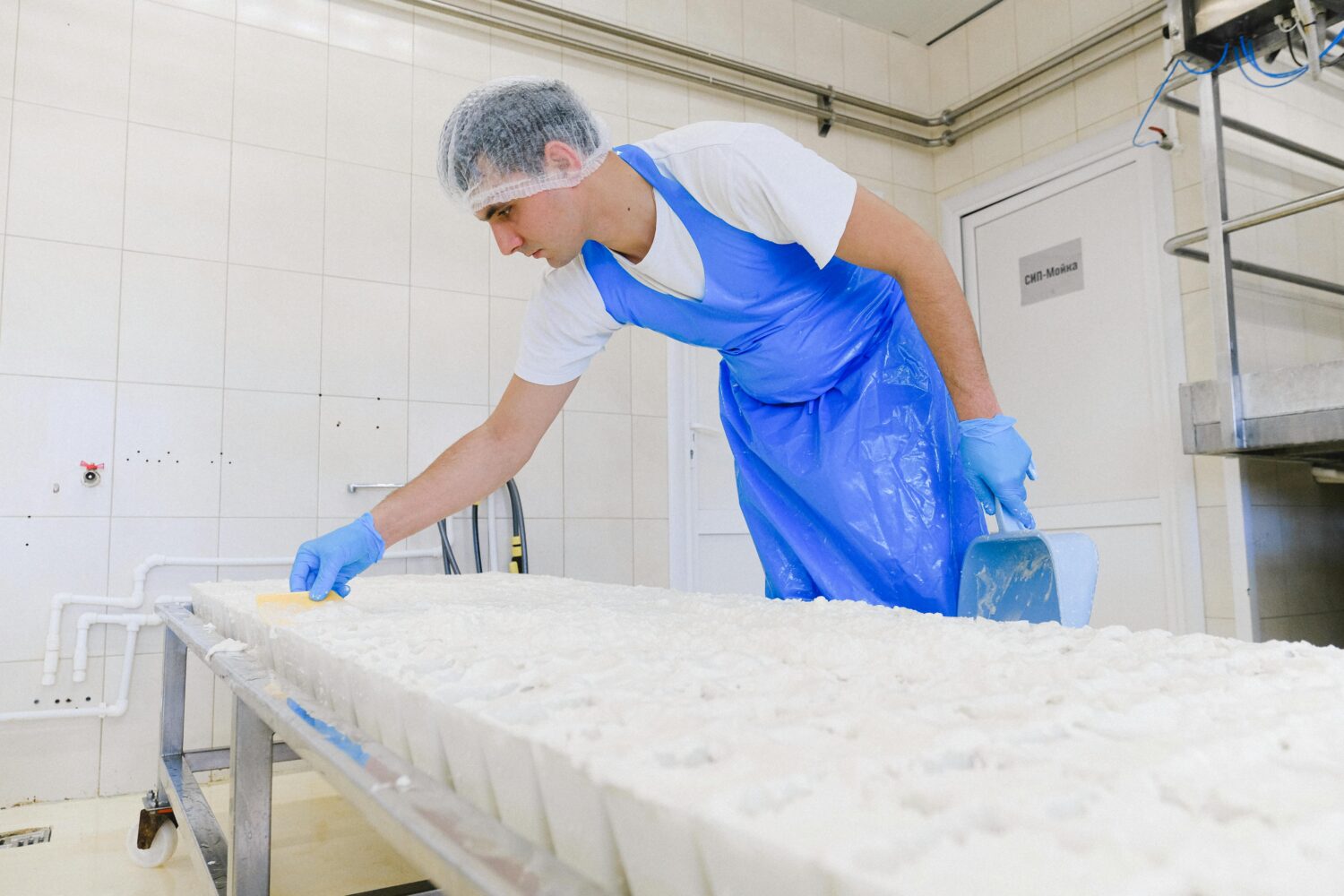
The Transitioning into a Hygienically Optimized Production
How to move an existing food line to hygienically optimized production: baseline audit, component swaps, redesign at rebuild, and verification.
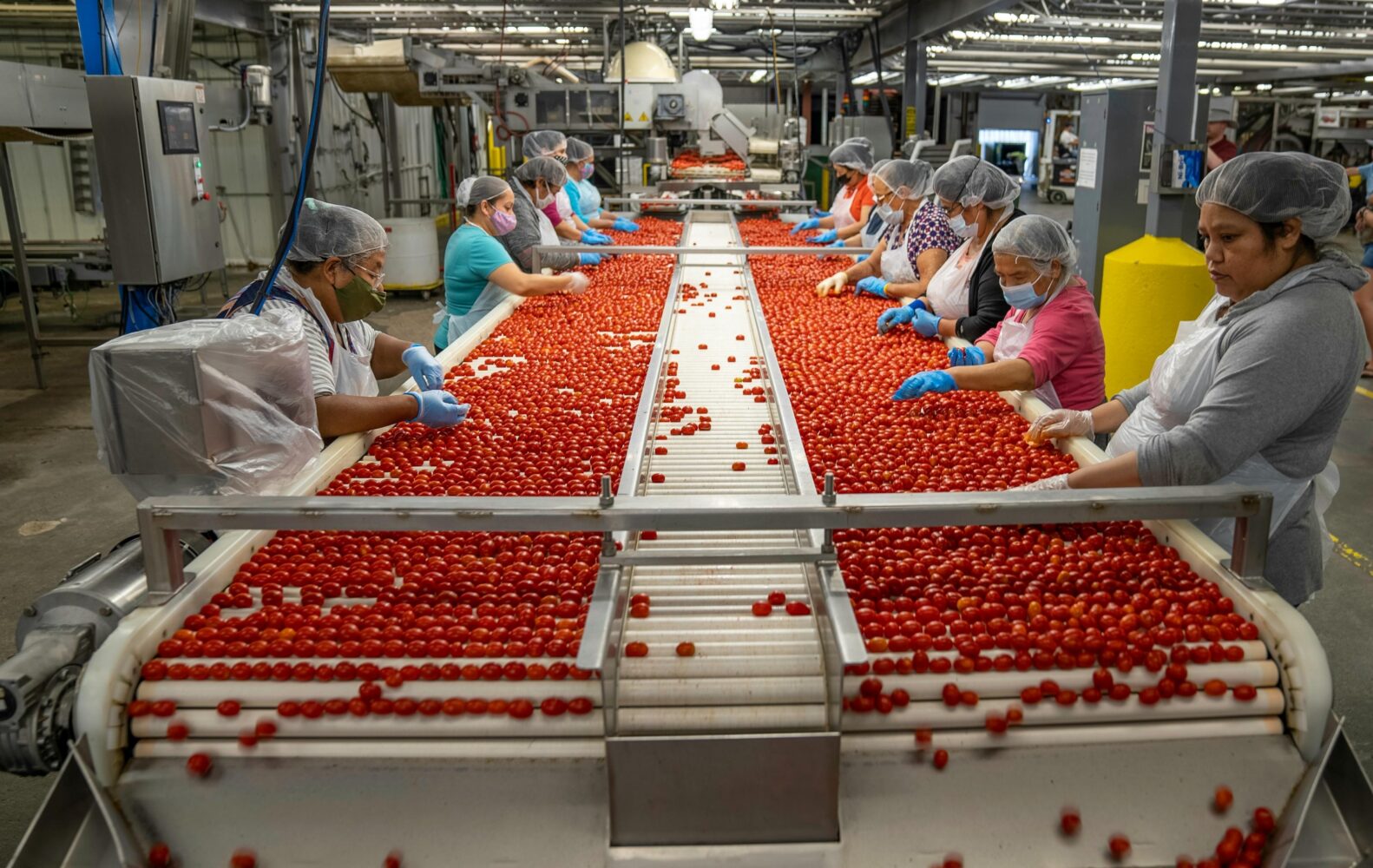
Advantages of Using Sanitary Machinery Components, Part by Part
Feet, castors, bearing units, side guides and drum motors: the advantage and limit of each sanitary machinery component, and where to use it on a line.
Benefits of Using Hygienic Machinery Components: Water, Energy and Waste
The ecological benefits of hygienic machinery components – water, chemicals, energy, waste – and a simple method to measure them in your own plant.
High-Quality Components Ensuring Hygienic Production: Verifying the Result
How component quality shows up in hygiene results – visual checks, ATP and swabs – and how to trace recurring findings back to the parts that cause them.
EHEDG and 3-A certification
What EHEDG and 3-A certificates cover, how to get certified, the guidelines and how to verify a certificate.
EHEDG Certification: What It Covers and What to Ask Suppliers
What EHEDG certification proves and what it does not: certificate types and classes, how to verify a certificate and what to ask suppliers in an RFQ.
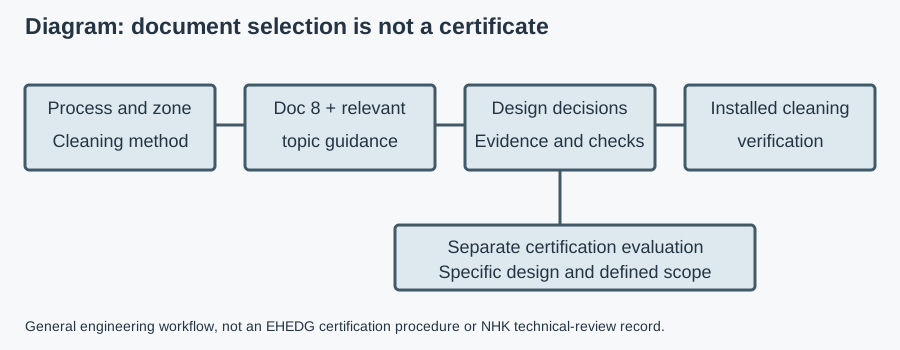
EHEDG Guidelines: Doc 8 and Document Selection
Understand EHEDG guideline documents, Doc 8 and scope selection. Build a traceable design review and distinguish guidance from equipment certification.
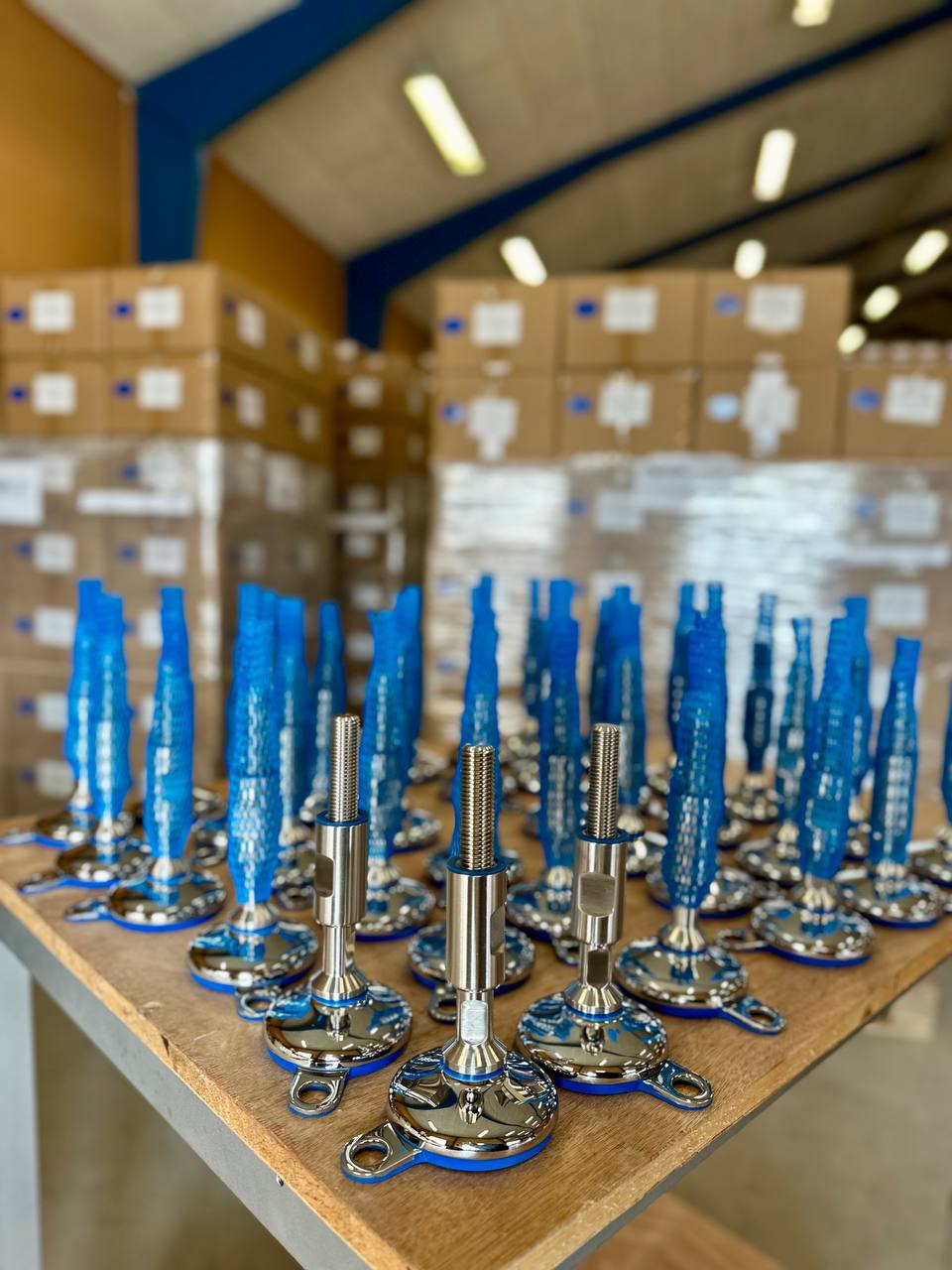
How to Get EHEDG Certified: The Process for Machine Builders and Component Makers
The EHEDG certification process for machine builders: six steps, design review and Doc. 2 testing, documents, timeline drivers and where certified parts help.
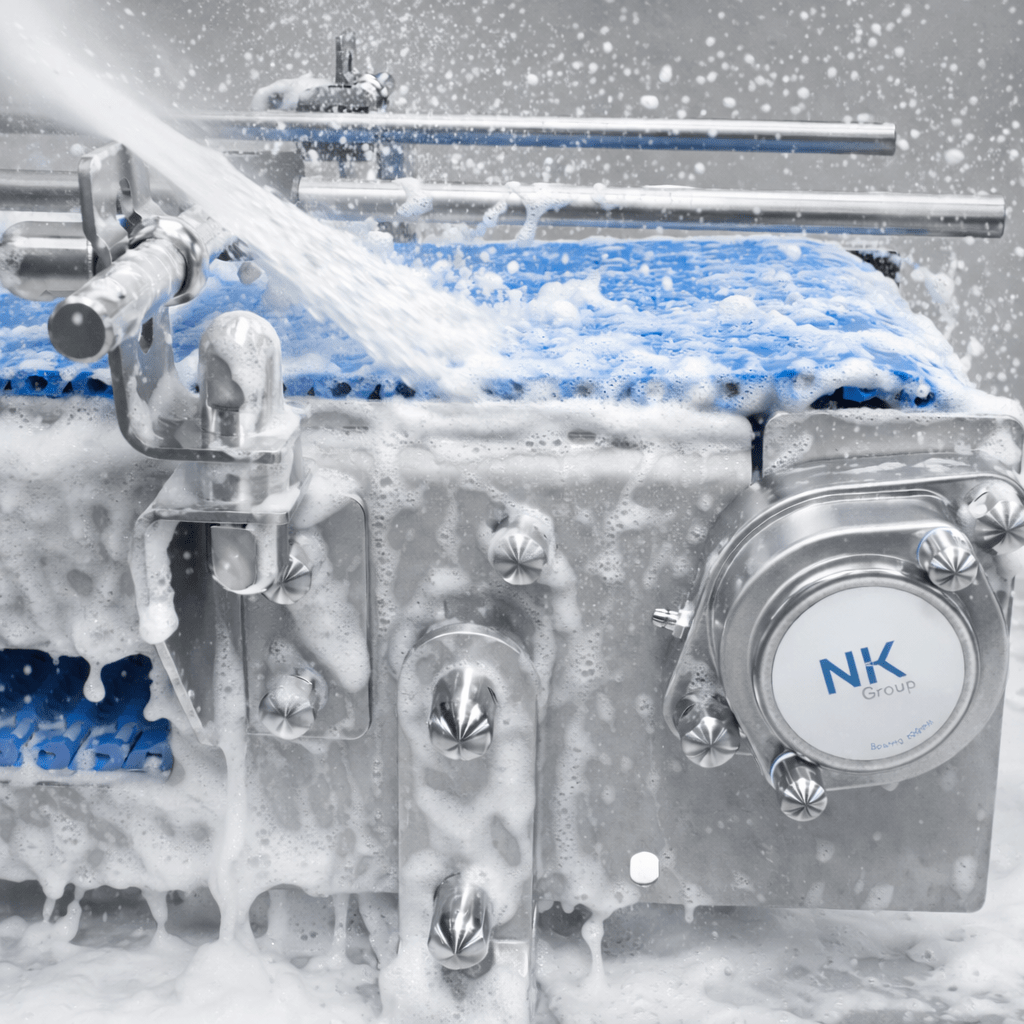
How 3-A SSI Authorized Sanitary Design Reduces Energy Consumption
How 3-A SSI authorized sanitary design cuts cleaning energy: what 3-A covers, which design features shorten CIP, and how to estimate the saving.
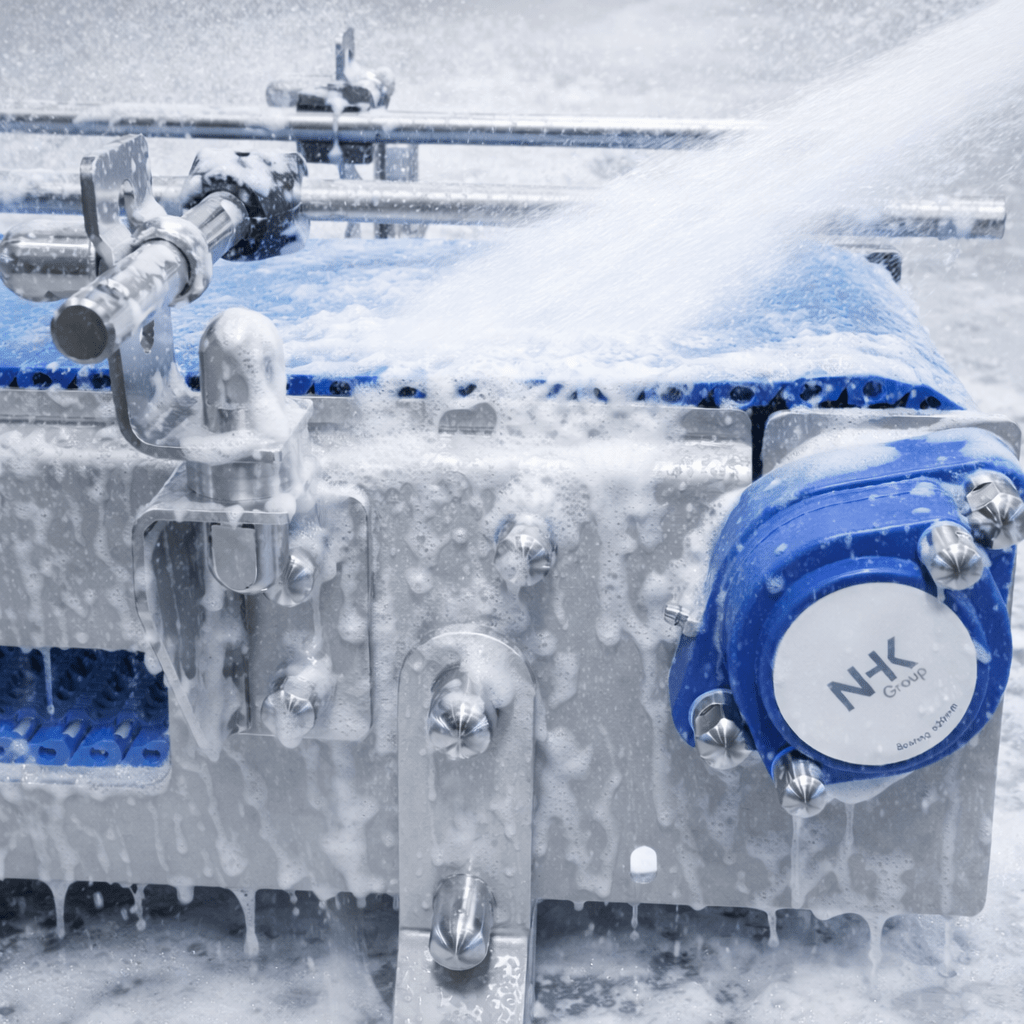
EHEDG Certified Design and Energy Savings: How Hygienic Design Controls Cleaning Cost
How EHEDG certified design lowers cleaning energy, water and chemical cost: what certification tests, cost levers and how to build the business case.
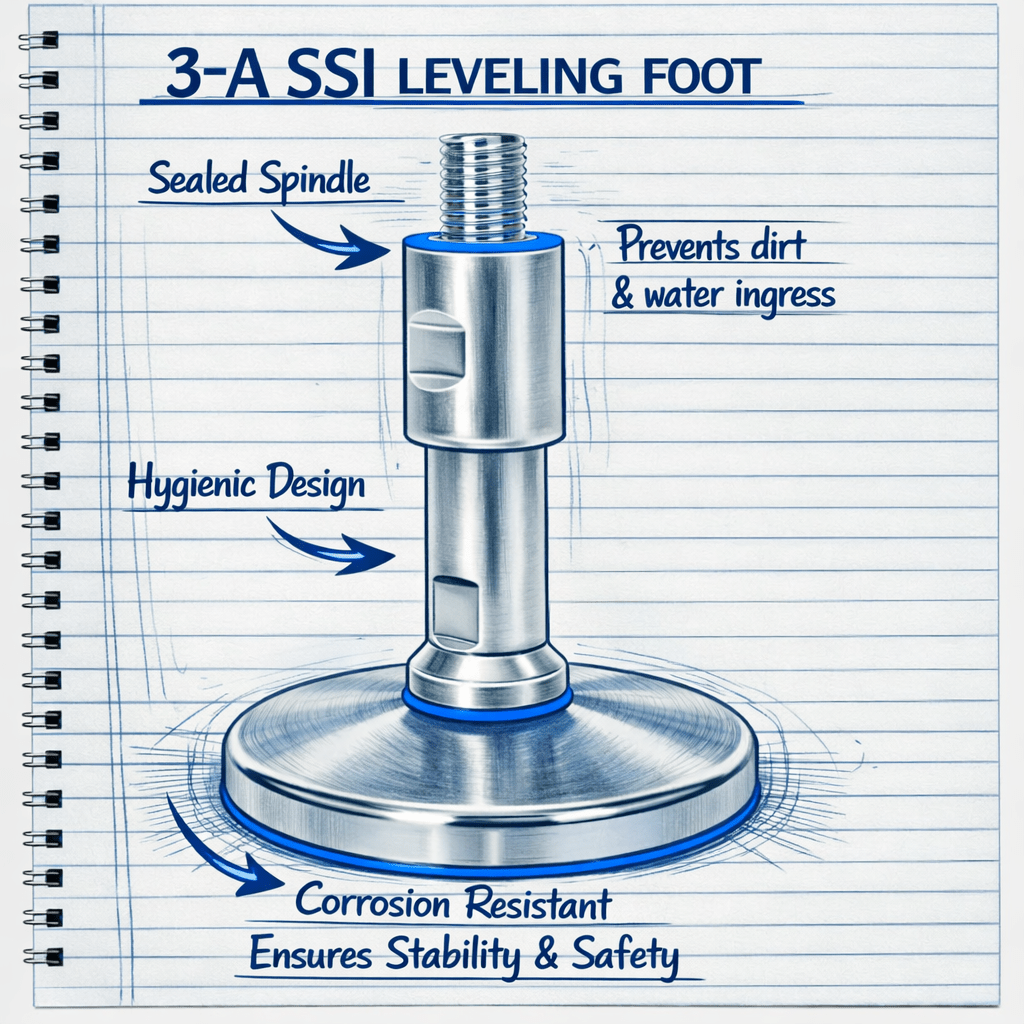
How 3-A SSI Authorized Sanitary Design Reduces Human Error: The 3-A Sanitary Standard in Practice
How the 3-A sanitary standard and 3-A SSI design cut cleaning, inspection and maintenance errors – with surface finish rules and a review checklist.
Safe Food Production with EHEDG Components and Parts: Fasteners, Handles and Small Hardware
How EHEDG components and parts – bolts, nuts, handles, knobs and feet – remove harbourage points, plus a selection table and RFQ checklist for food lines.
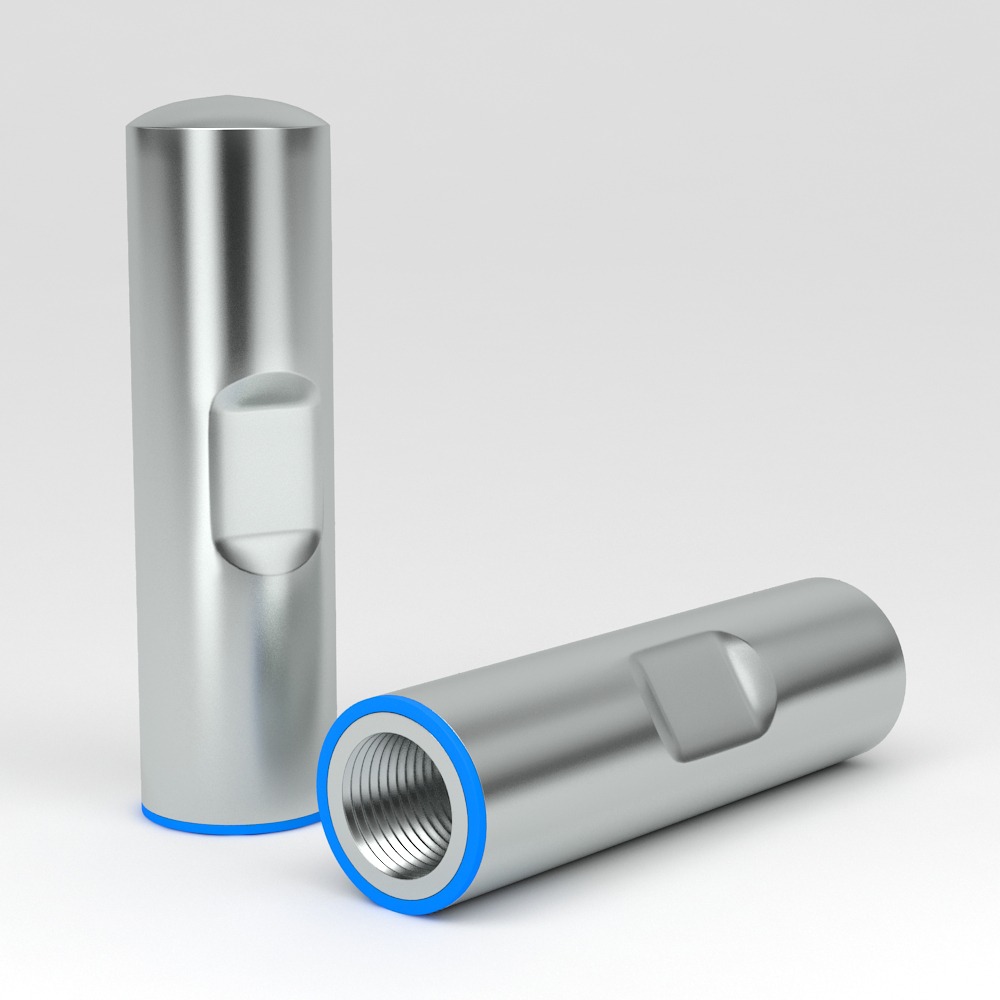
EHEDG-Certified Components in Harsh Environments: Chemicals, Heat and High-Pressure Cleaning
How EHEDG-certified components cope with harsh environments: chemicals, chlorides, heat and high-pressure cleaning – material, seal and inspection guide.
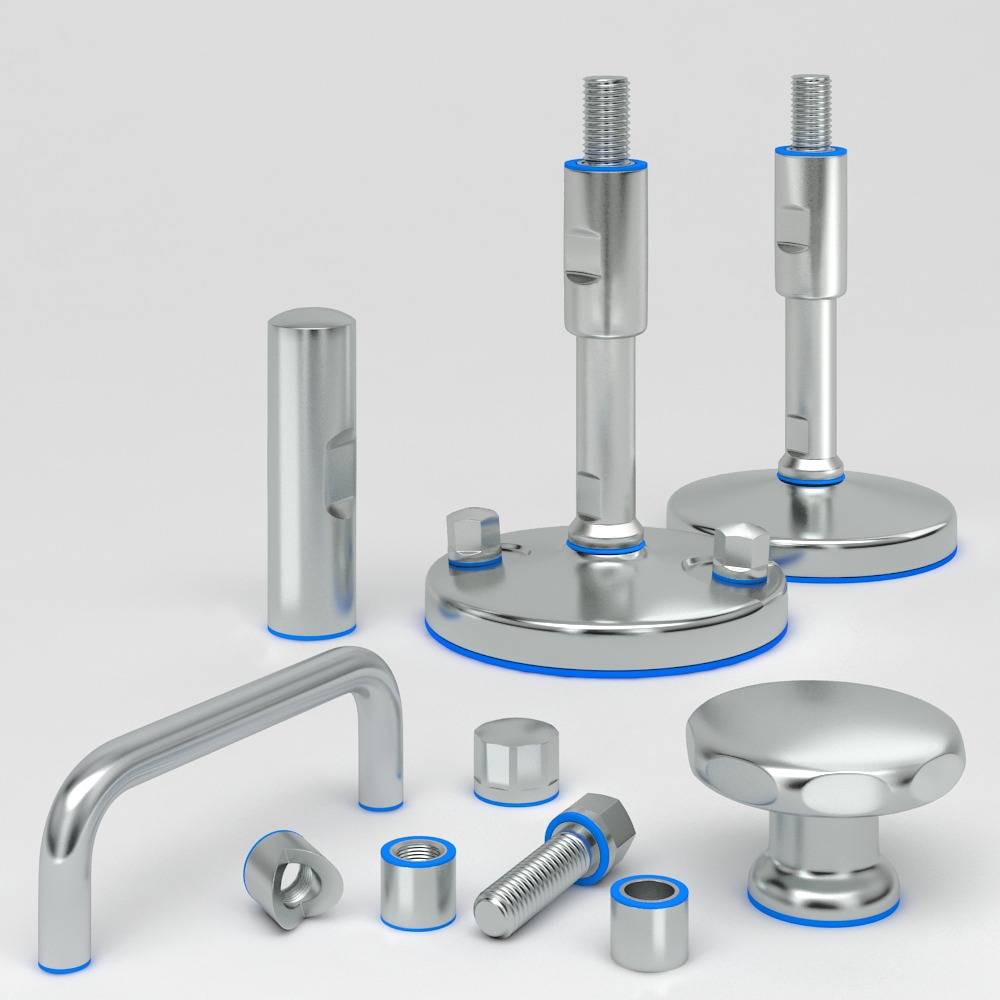
EHEDG-Certificated Components in Meat Processing: A Guide for Meat Hygiene Machinery Manufacturers
EHEDG-certificated components in meat processing: handles, spacers, bolts, nuts and star knobs by machine zone, plus material and seal choices for OEMs.
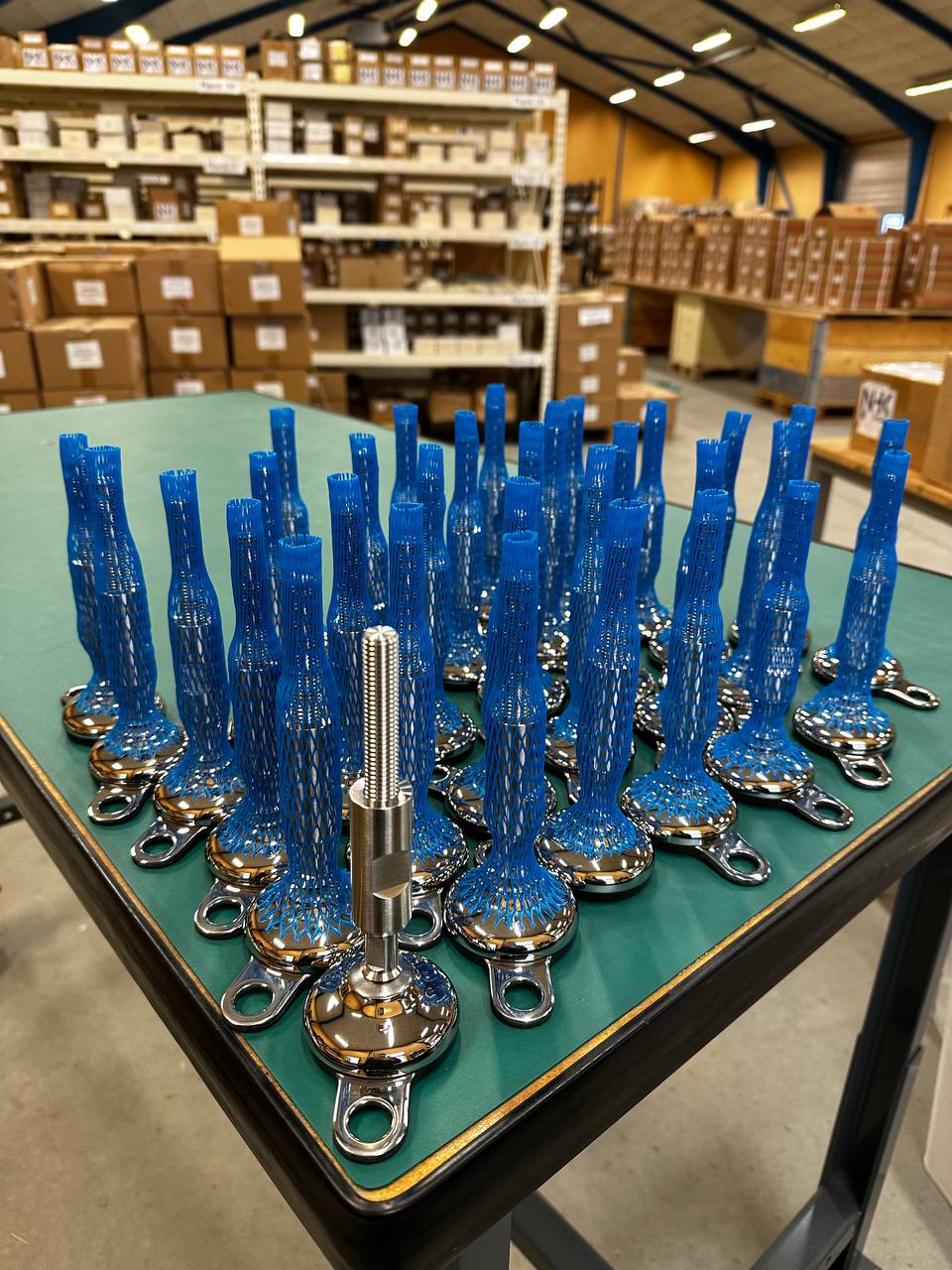
Introducing the EHEDG Components: Bolts, Nuts, Handles, Locks, Spacers and Hygienic Feet
Introducing the EHEDG components – bolts, nuts, handles, locks, spacers and hygienic feet – what each does, and how to check a certificate really applies.
EHEDG Compliance and 3-A SSI Certified Components and Parts: What the Claims Mean
What EHEDG compliance and an EHEDG certificate or 3-A authorisation really mean for components – how to check claims and what documents to request.
How to Find EHEDG Certified Equipment
Find EHEDG-certified equipment in the official register. Verify models, fittings, load-cell scope, certificate types/classes and supplier claims.
IP ratings and washdown
IEC 60529 and ISO 20653, IP67, IP68, IP69K and which rating an application needs.
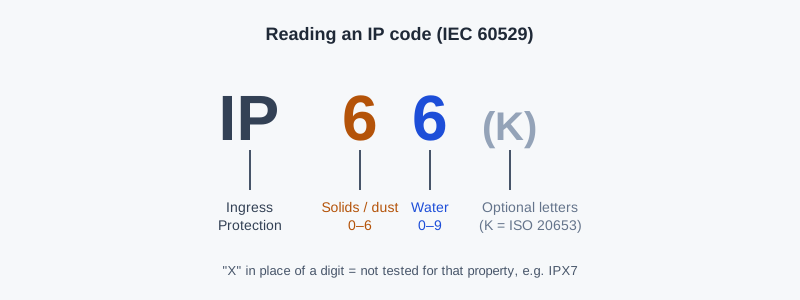
IP Rating Explained: IP Codes for Machinery and Washdown
IP ratings (IEC 60529) explained for machinery, not phones: full IP code table, what each digit tests, which rating each washdown zone needs, and what to ask.
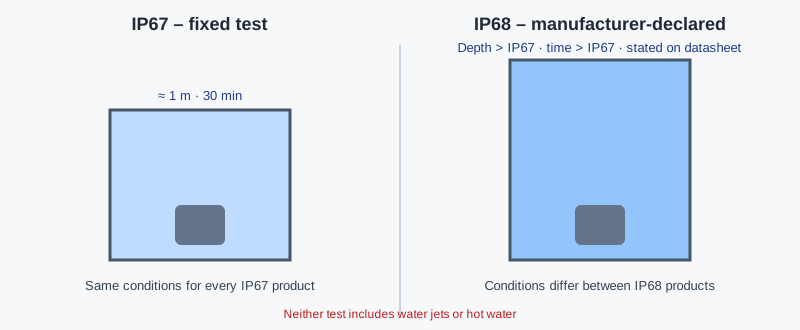
IP67 vs IP68: Differences for Food-Plant Components
IP67 vs IP68 compared: test depth and time, what neither proves for washdown, and a 5-step method to choose the right rating for food-plant components.
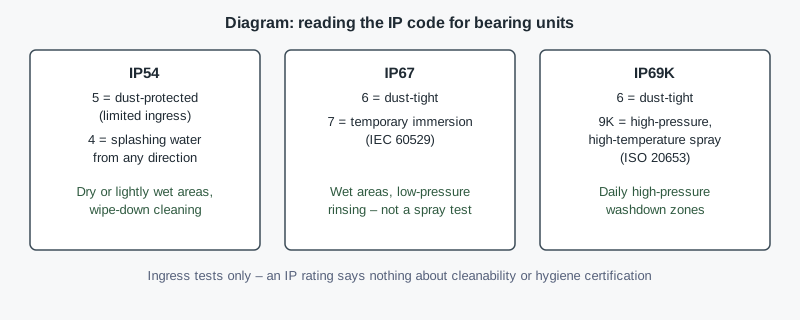
IP67 vs IP69K: Which Components Need Which Rating
IP67 vs IP69K compared for food-plant washdown: immersion vs hot high-pressure jets, a component-by-component table, IP67/IP69K dual rating and RFQ checklist.
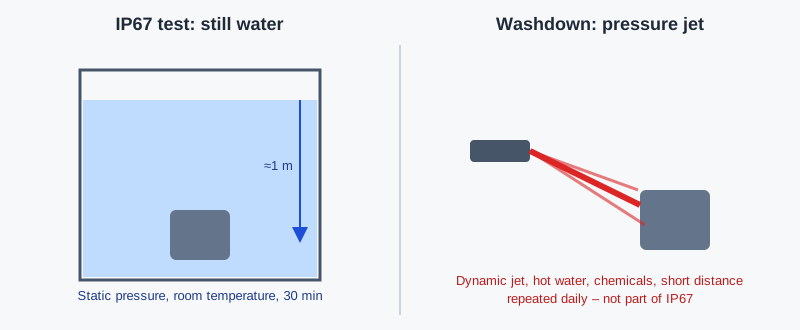
IP67 Rating Explained for Machine Components
IP67 meaning, test requirements under IEC 60529 and what the immersion test does and does not prove for food-plant washdown – with a selection checklist.
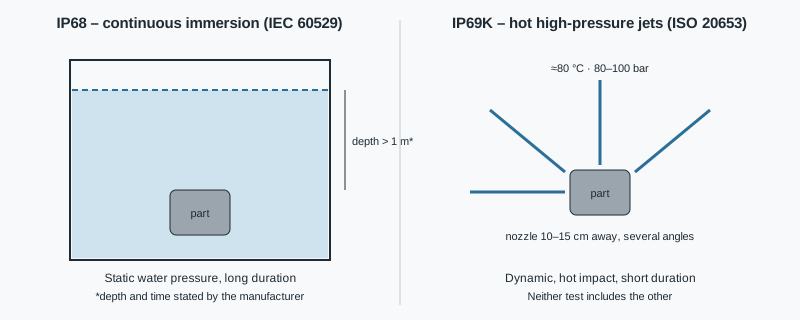
IP68 Rating Explained for Industrial Equipment
What IP68 waterproof means under IEC 60529, why depth and time are set by the manufacturer, and why IP68 is not a washdown rating – with a buyer checklist.
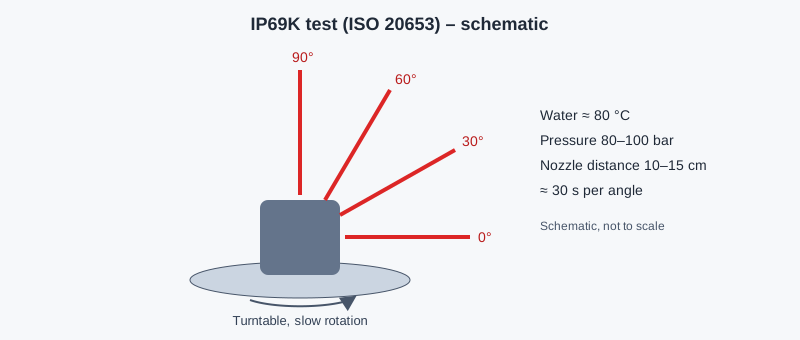
IP69K Rating Explained for Food Machinery
IP69K meaning: the hot, high-pressure jet test of ISO 20653, IP69 vs IP69K, why it says nothing about depth, and when food machinery really needs it.
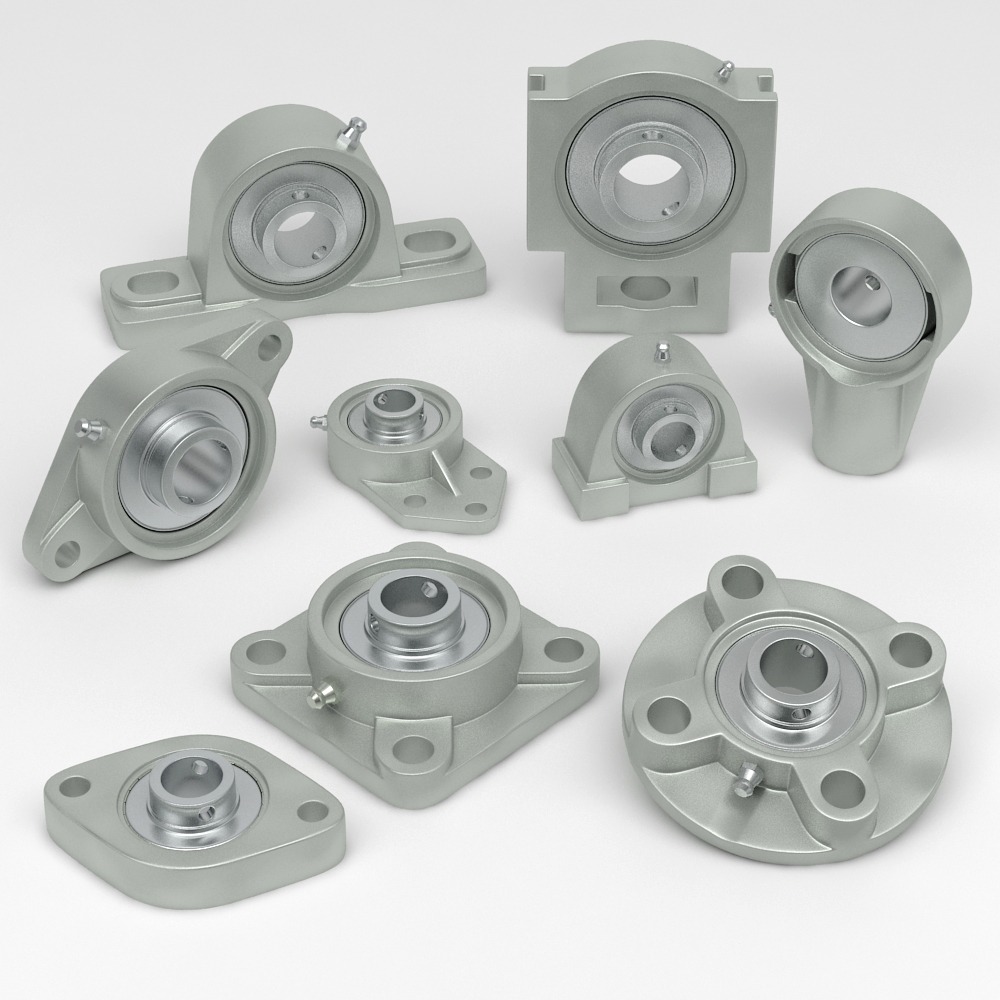
Ingress Protection in Hygienic Zones: IP68 vs IP69K
IP68 vs IP69K explained for food plants: what each test proves, why one never implies the other, and how to pick the rating from your cleaning plan.
Food-contact compliance
EC 1935/2004, EU 10/2011, FDA 21 CFR, GMP, GFSI schemes, contamination and recalls.
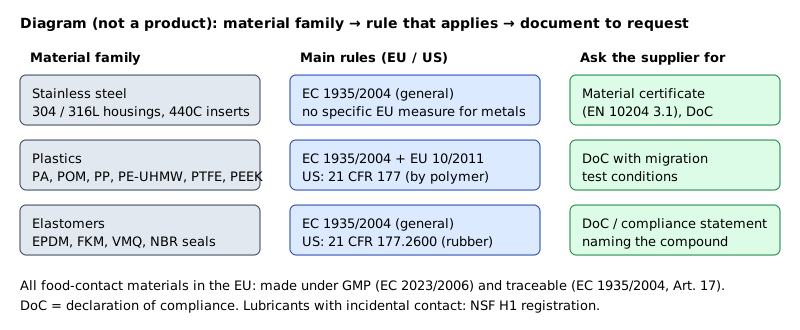
Food Contact Materials for Machine Components: How to Choose
Food contact materials for machine components: stainless grades, food grade plastics and elastomers, EU 10/2011, FDA 21 CFR, declarations and a checklist.
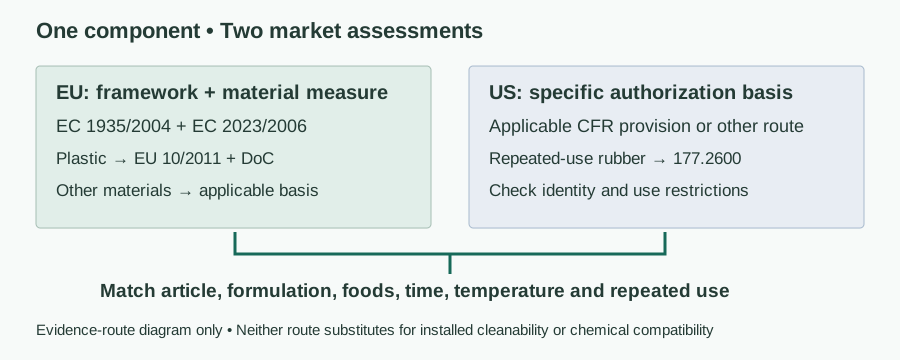
EC 1935/2004 vs EU 10/2011 vs FDA 21 CFR: Supplier Documents
Compare EU and US food-contact scope, plastics declarations, GMP, migration evidence and supplier checks for seals, guides and machinery components.
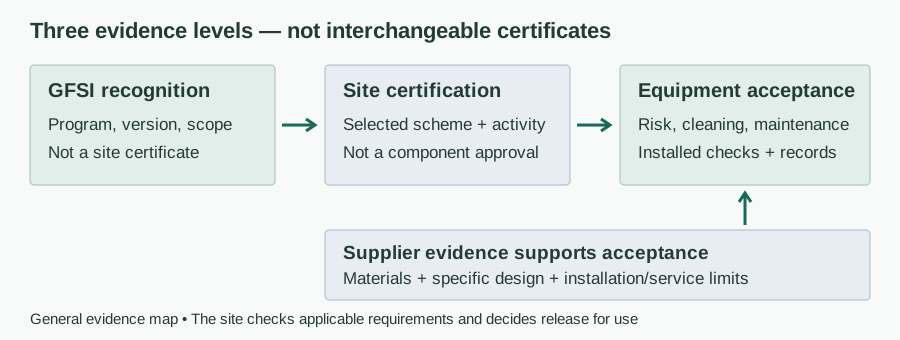
GFSI Schemes Compared: BRCGS, IFS, FSSC 22000 and SQF
Compare BRCGS, IFS, FSSC 22000 and SQF: scope, equipment design, supplier documents and practical acceptance checks for food machinery.
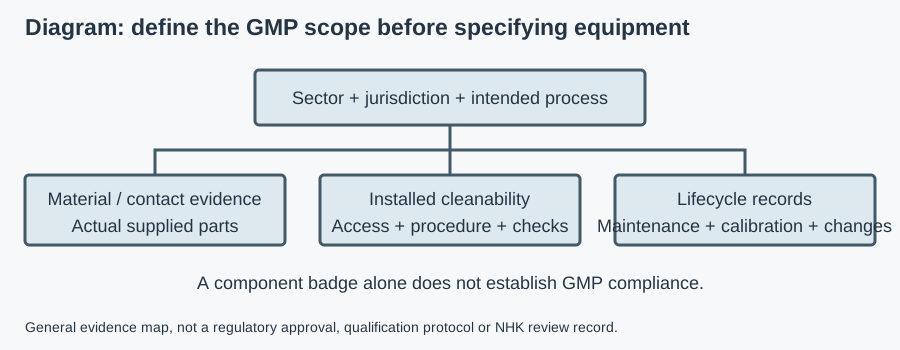
GMP Equipment Requirements: Materials, Cleaning and Records
Separate food and pharma GMP equipment requirements. Check materials, cleaning access, maintenance records and supplier evidence before acceptance.
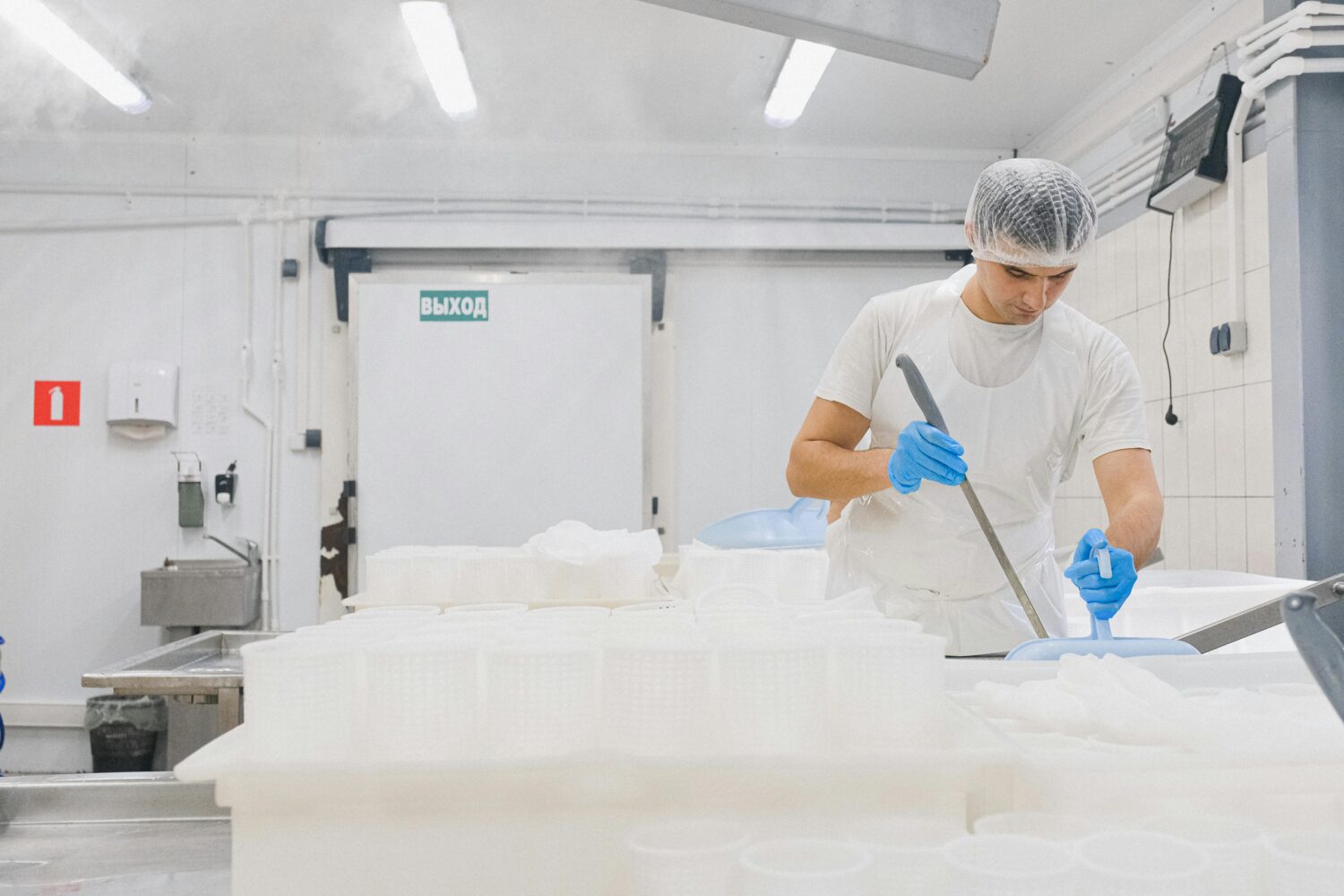
Safeguarding Against Contamination and Product Recalls: The Role of Machine Components
How machine components cause microbial, physical, chemical and allergen contamination – failure modes, hygienic design controls and an inspection checklist.
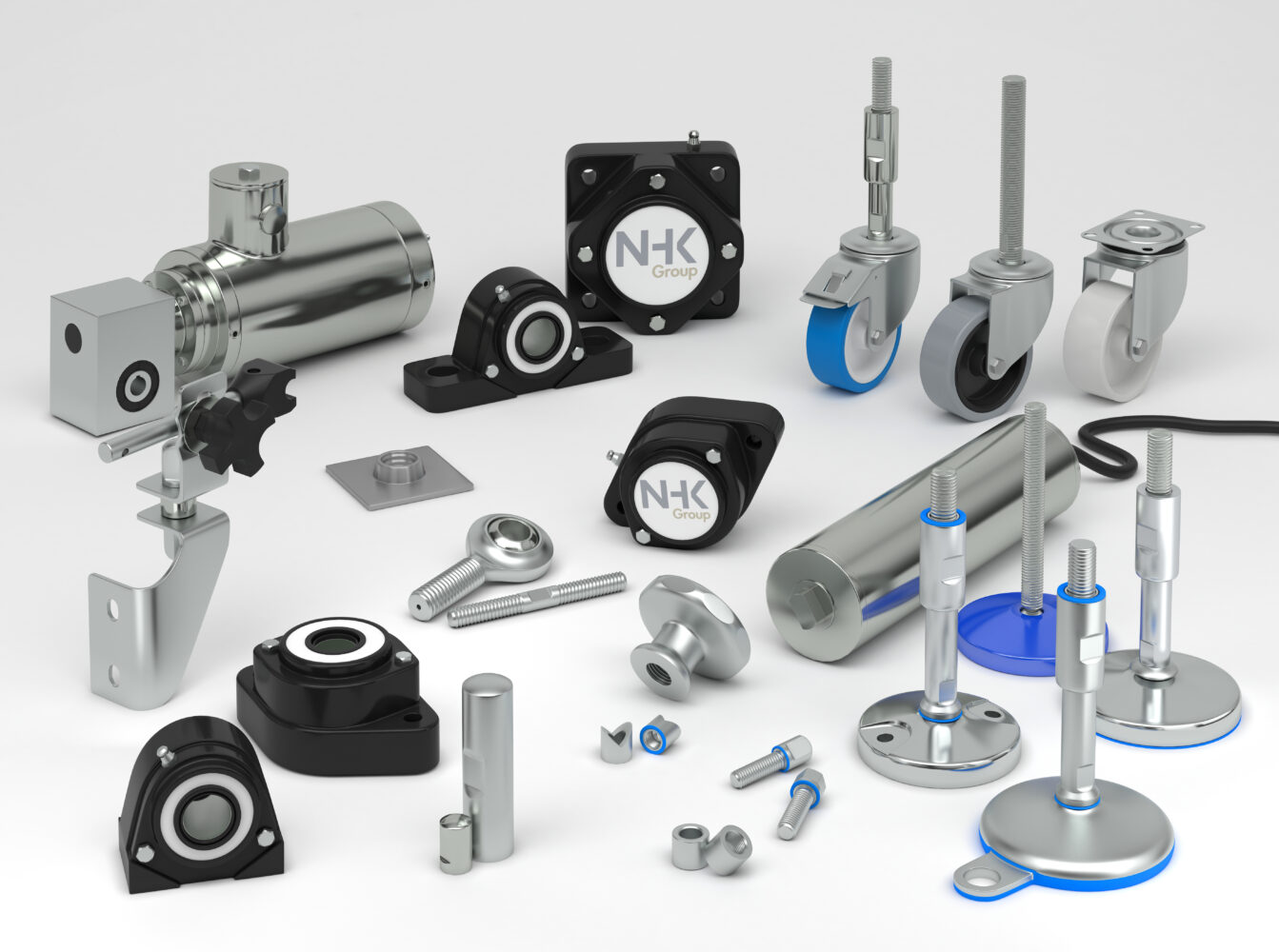
Avoiding Contamination and Following Product Recall: The Component Side
What engineers do with machine components after a contamination incident or recall: root cause, corrective action, verification and preventing recurrence.
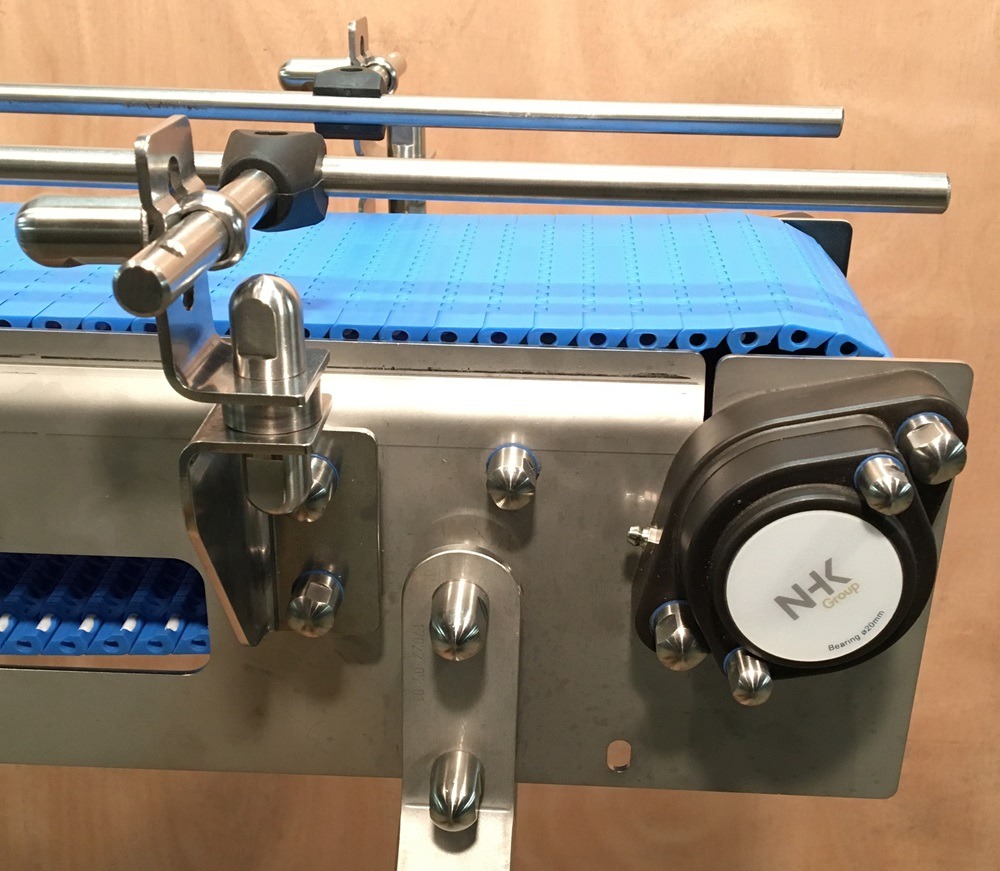
Avoiding Contamination and Product Recall: A Layered Plant Programme
A layered programme for avoiding contamination and product recall: equipment design, sanitation, training, monitoring, traceability and a recall plan.
Cleaning and sanitation
Dry and wet cleaning, CIP and COP, component exposure, cleaning-effectiveness evidence, verification, biofilm, water and detergent use.
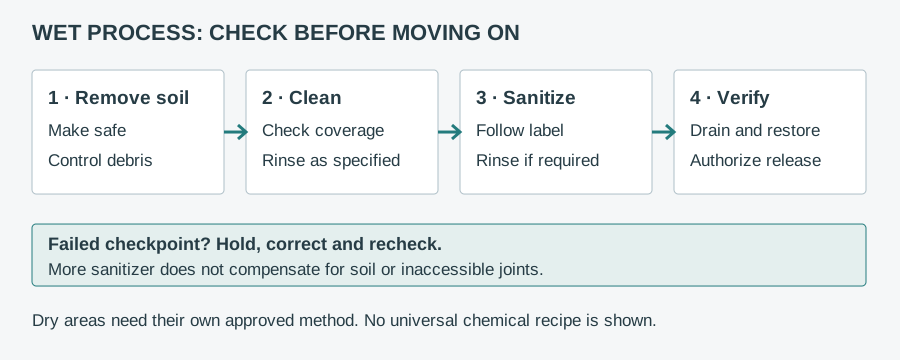
Cleaning and Sanitation of Food Processing Equipment
Plan dry and wet cleaning, follow sanitation checkpoints, match components to washdown exposure, and prepare validation and audit records.
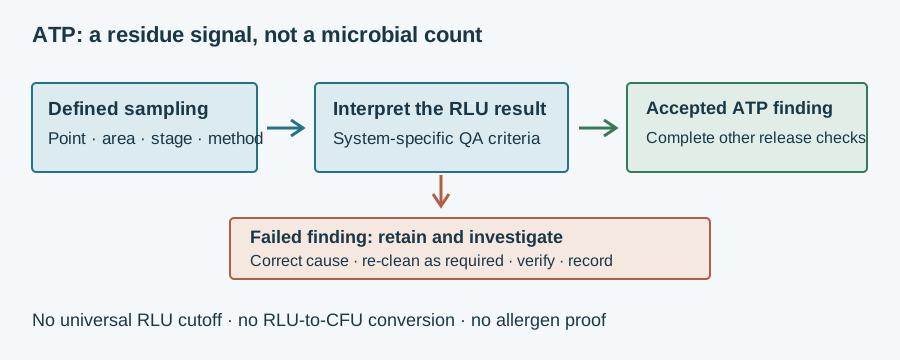
ATP Swab Test: Sampling, Limits and Cleaning Verification
Understand ATP and RLU limits, map machine sampling points, set criteria with the test supplier and QA, and investigate recurring cleaning failures.
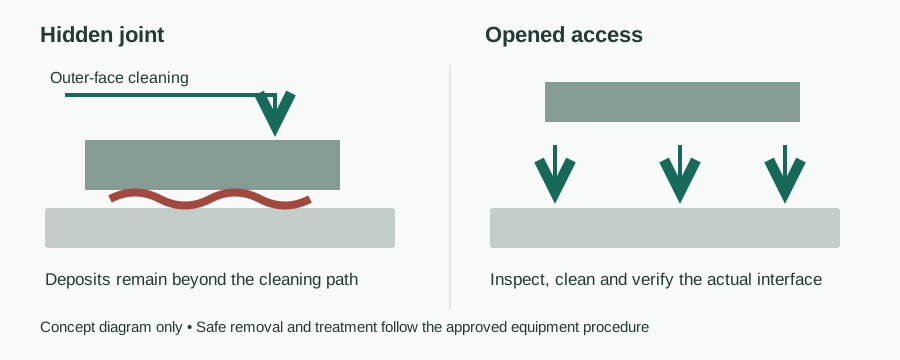
Biofilm in Food Processing: Find, Remove and Prevent It
Find machinery biofilm niches, distinguish ATP from pathogen evidence, plan controlled removal, and specify cleanable joints, seals and bearing interfaces.
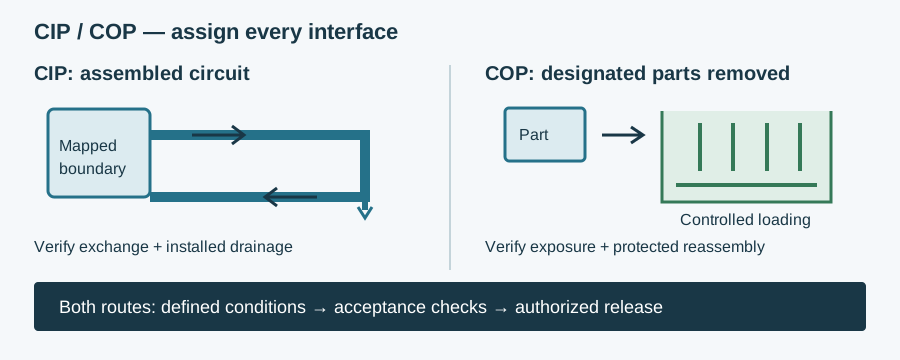
CIP vs COP: Cleaning Method and Component Design Checks
Compare CIP and COP, map cleaning boundaries, inspect drainage and dead legs, and specify component compatibility, loading and validation evidence.
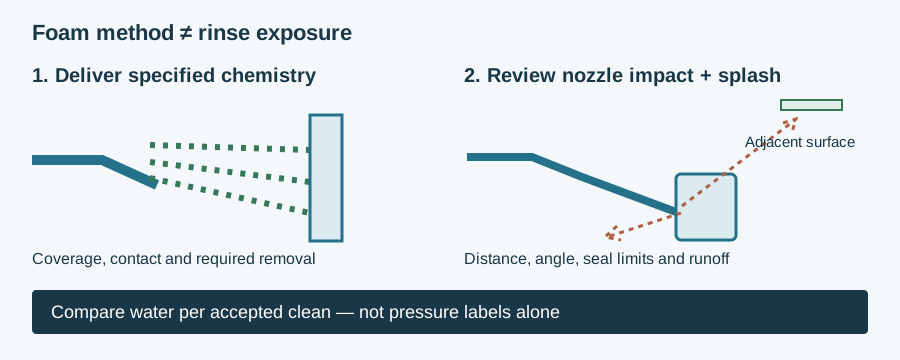
Foam Cleaning vs High Pressure Cleaning: Washdown Choices
Compare foam and high-pressure washdown: aerosol paths, water measurement, seal and bearing exposure, IP69K limits and component selection checks.
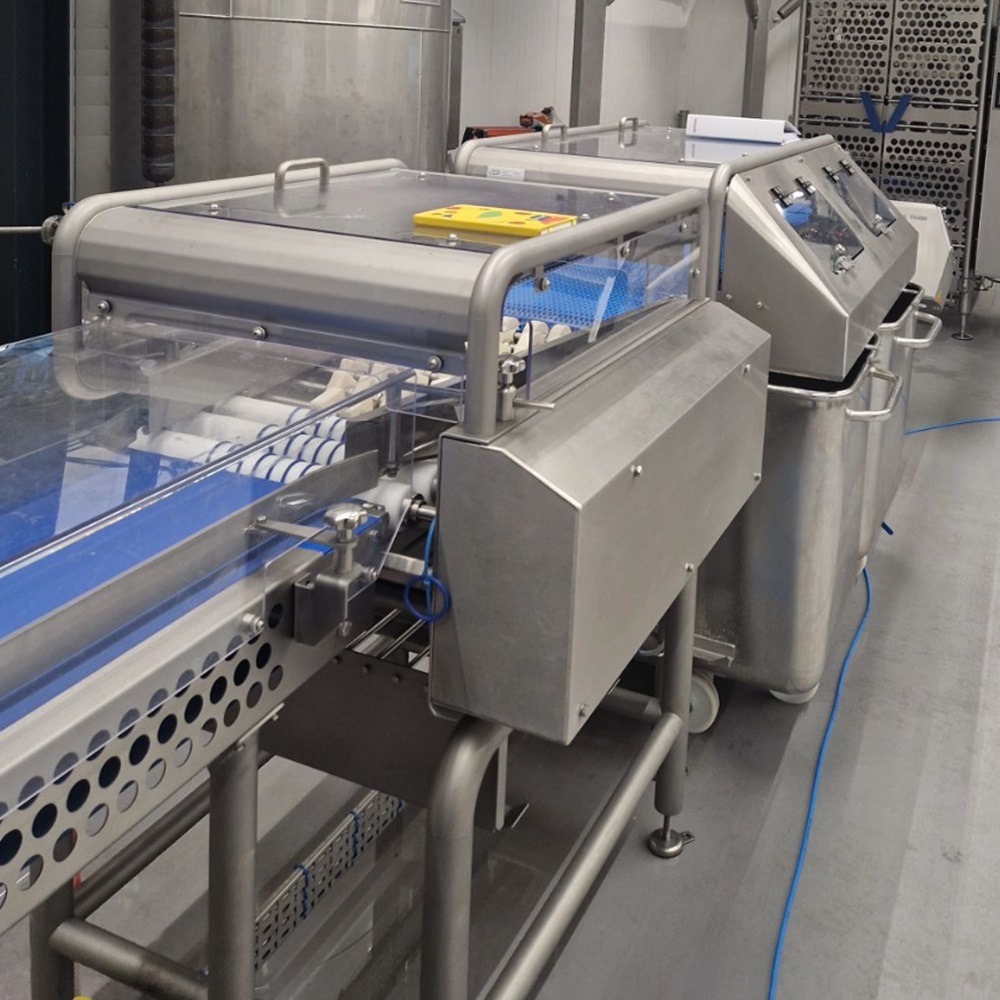
Best Practices for Setting and Achieving Cleaning Goals in Food and Pharma Production
Best practices for setting and achieving cleaning goals: measurable cleaning KPIs, SMART targets, baselines, and when equipment changes beat more effort.
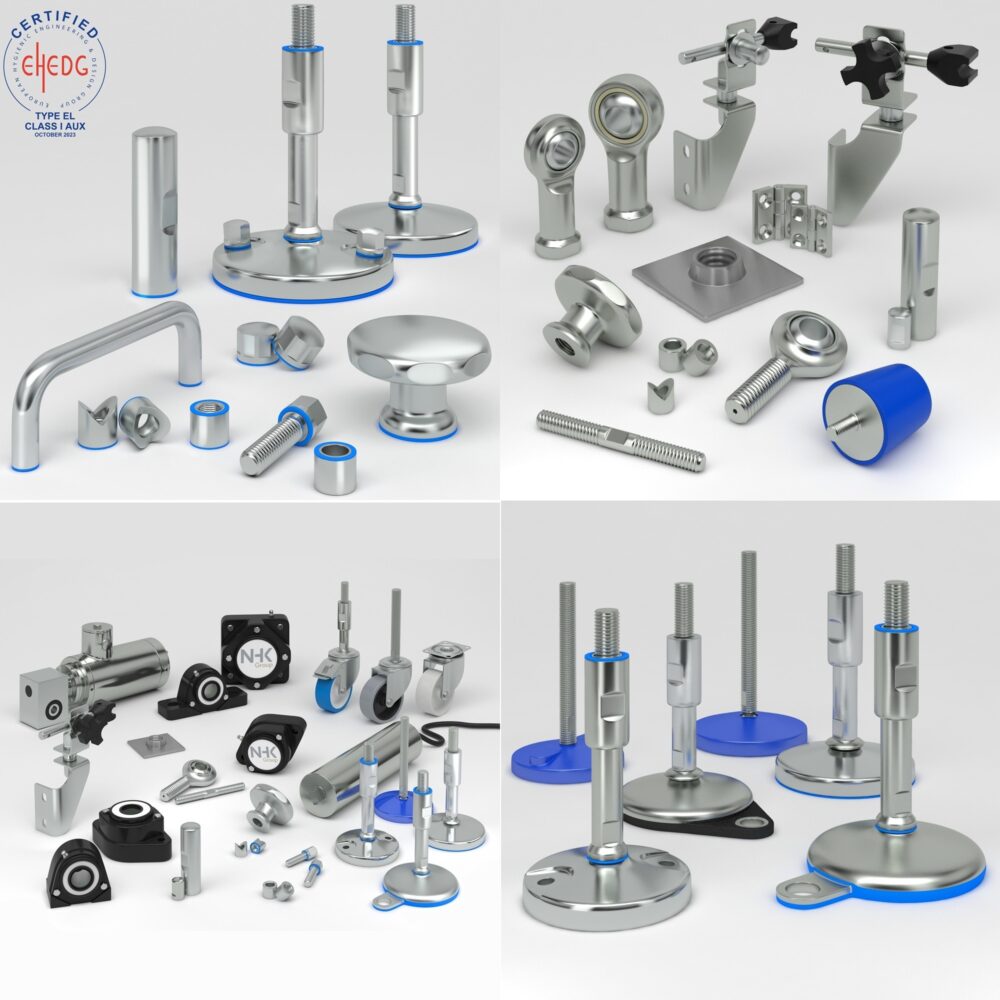
Challenges Faced by Cleaners in Food Production – and How Machine Design Can Remove Them
Challenges faced by cleaners in food production – hard-to-reach parts, chemicals, time pressure – and the machine design choices that make cleaning easier.
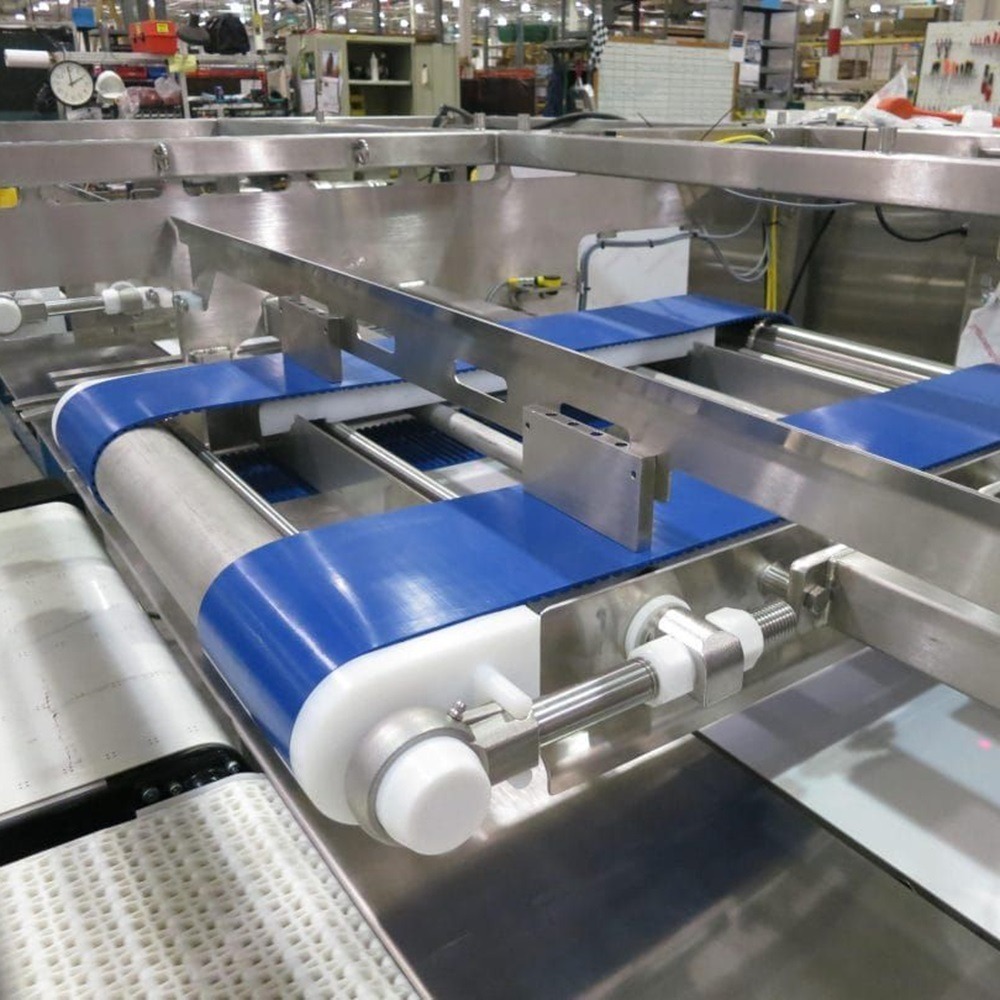
Enhancing Communication and Innovation in Cleaning Practices: From Cleaner Feedback to Better Equipment
Enhancing communication and innovation in cleaning practices: feedback loops between cleaners and management, and what UV lights, ATP and swabs can show.
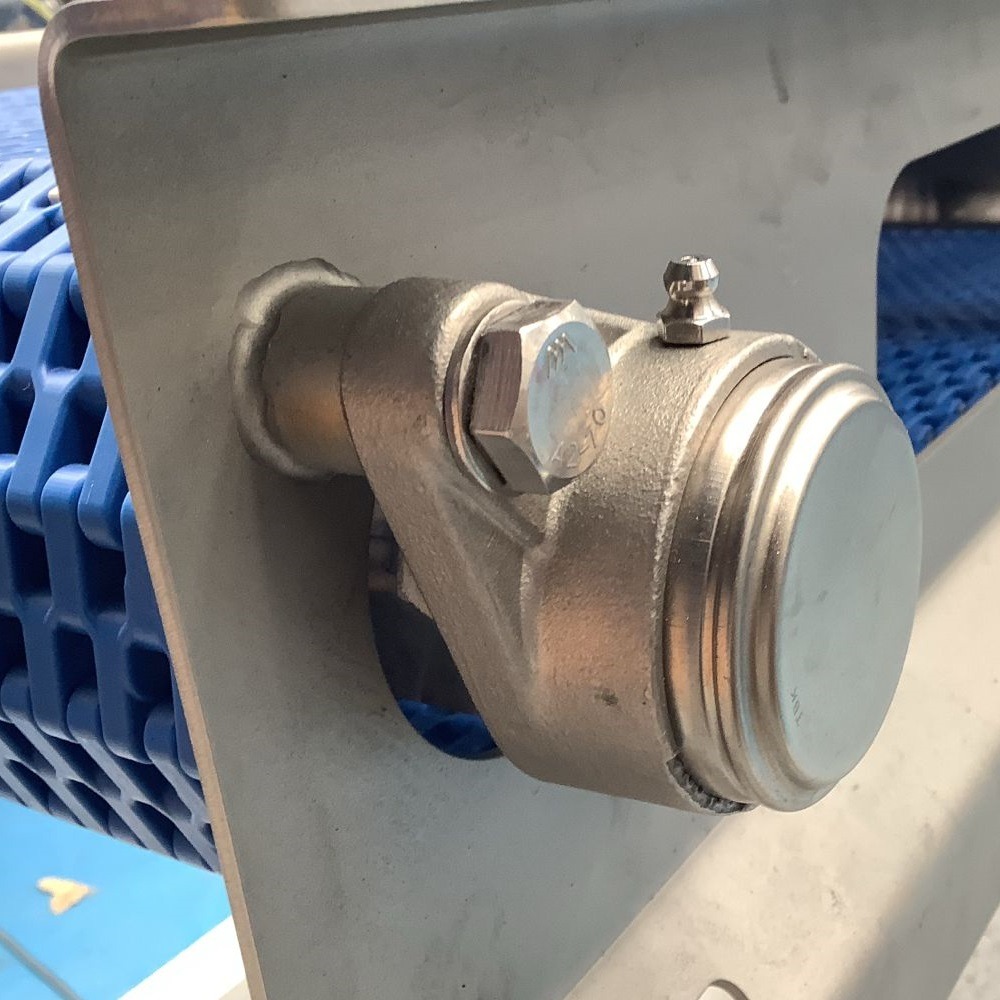
Easy to Clean Components and Parts: How to Judge Hygienic Components
What makes hygienic components easy to clean: design features, a cleanability checklist, certificate checks and an example for washdown machinery.
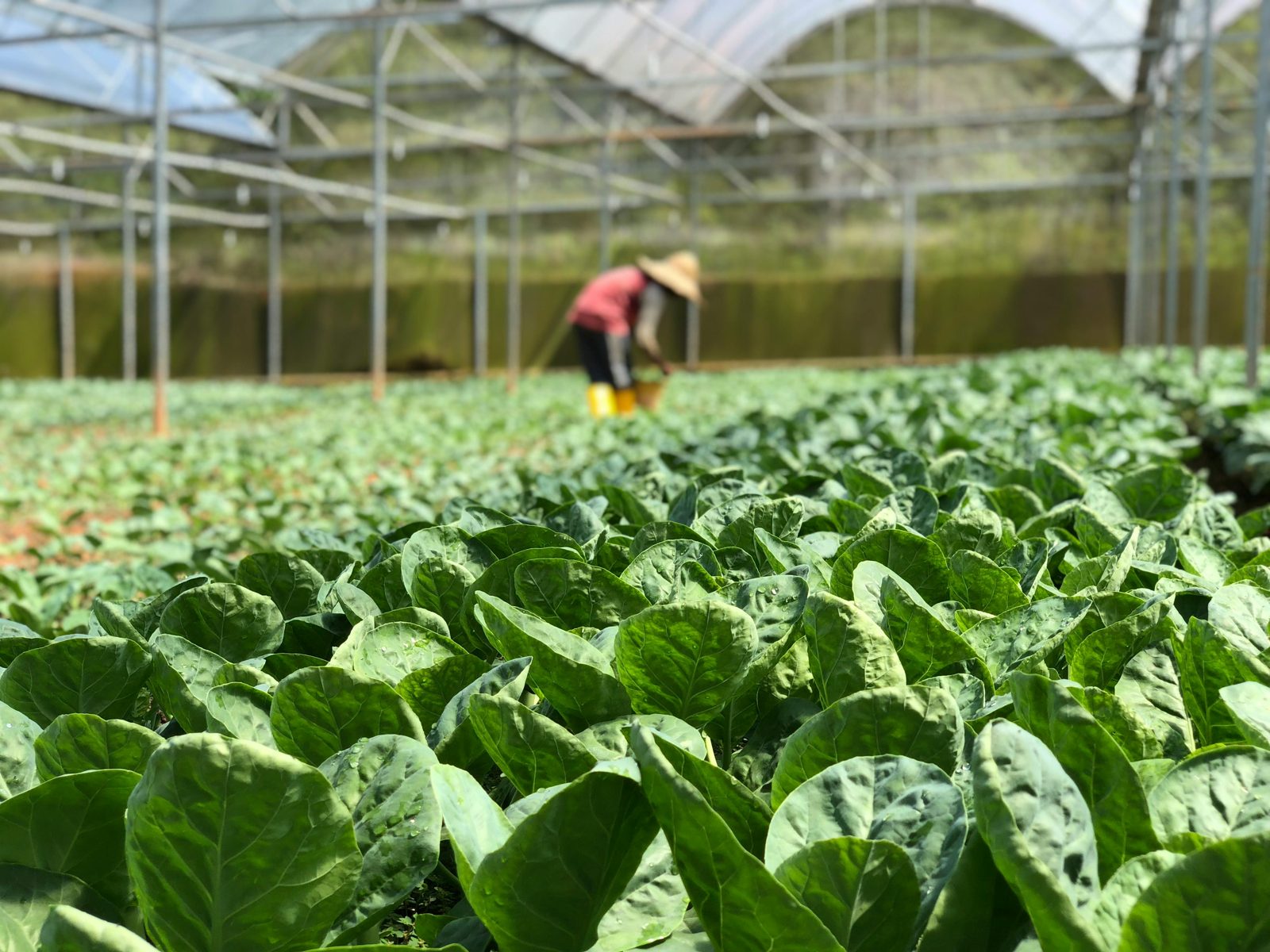
Reducing Water and Cleaning Detergent Usage Through Hygienic Component Design
How hygienic component design cuts water and detergent per clean: where usage goes, which features matter, a measurement method and a worked example.
Need components for this application?
NHK Group supplies hygienic bearing units, levelling feet, castors and conveyor components for food, dairy, beverage and pharmaceutical machinery.