Buyer's guides
Published by NHK Group ApS
Buying hygienic components is not only about price per part. A cheaper foot or bearing unit can cost far more over its life if it extends every cleaning cycle, uses more water and detergent, or fails early and stops the line.
The guides in this section are written for design engineers, maintenance managers and technical buyers who need to specify parts with confidence. They explain which questions to ask a supplier, which documents to request, how to compare datasheets, and how to read claims about certification, ingress protection and materials.
You will also find checklists for common selection tasks: choosing levelling feet for a new machine, replacing bearing units in a washdown zone, or standardising conveyor parts across several lines.
A good specification states the environment, the cleaning regime, the loads and the compliance requirements clearly. With that in place, it becomes much easier to compare offers on what matters over the life of the machine.
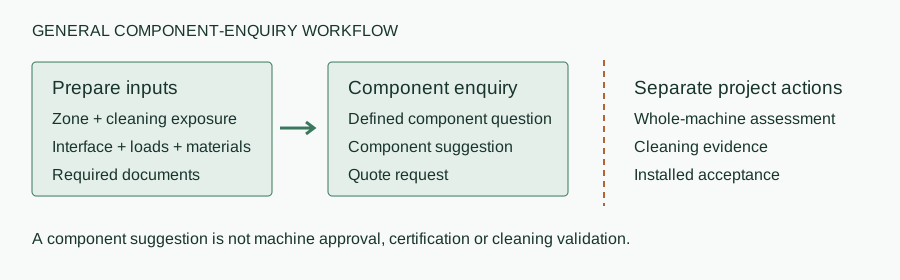
Prepare a component enquiry using the hygienic design support guide below: mark zones, record cleaning exposure and identify the installed interface before requesting components.
Specifying and buying
RFQs, supplier selection, retrofit and guides per role: engineers, QA, maintenance and buyers.
Business case for hygienic design
Total cost of ownership, downtime, energy and water savings, sustainability and competitiveness.
How and Why Machinery Components Drive Manufacturing Success: A Total Cost of Ownership Guide
How machinery components affect manufacturing success: a total cost of ownership method, worked example and checklist for comparing cheap and suited parts.
The Importance of Effective Management in Maintaining Hygiene in Food and Pharma Plants
Effective management in maintaining hygiene: how plant managers link cleaning protocols, training, verification and hygienic equipment into one programme.
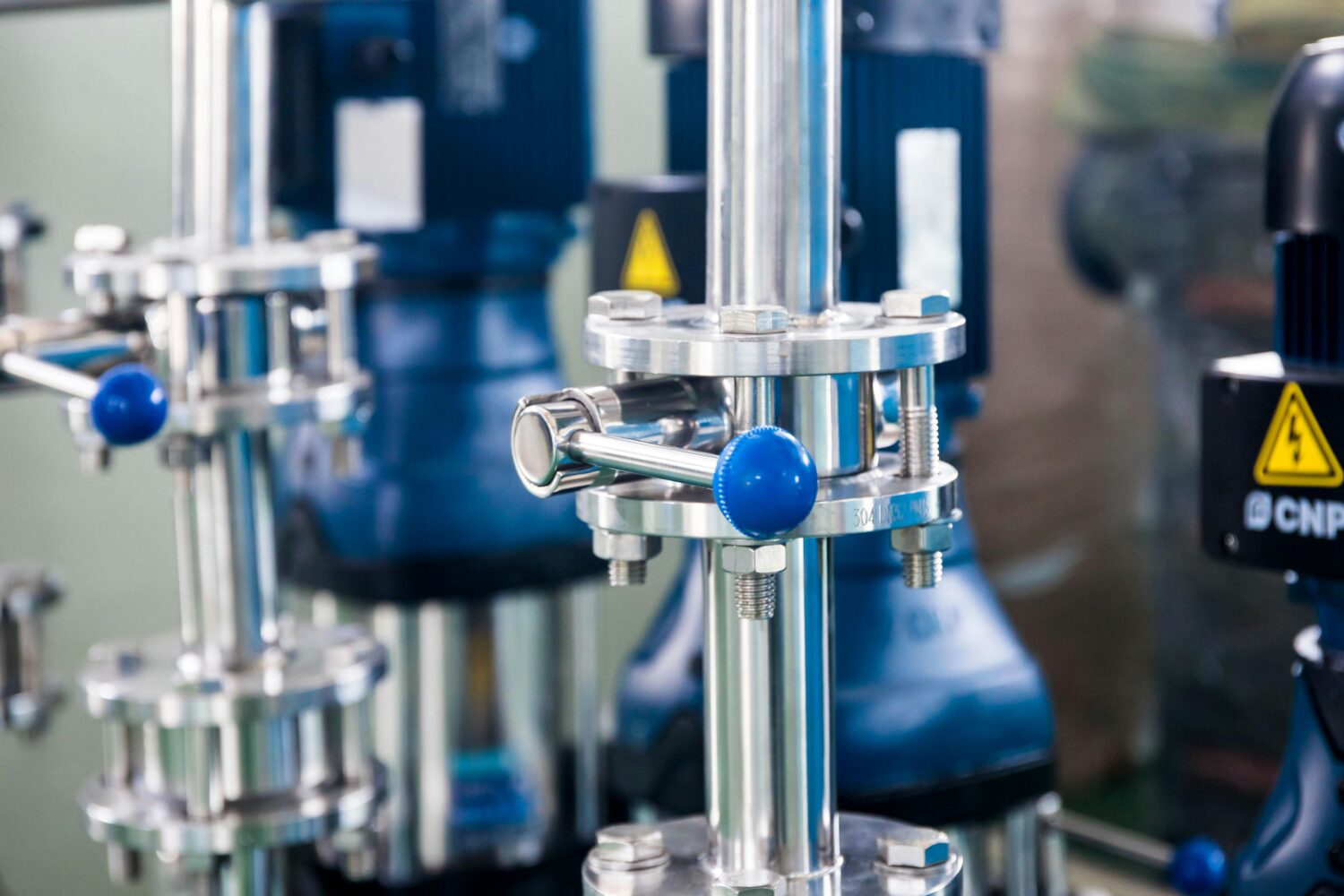
Hygienic Design: A Global Trend Shaping Industries Worldwide
Why hygienic design is spreading worldwide: drivers, how requirements differ by industry and market, and how to specify components for export machines.
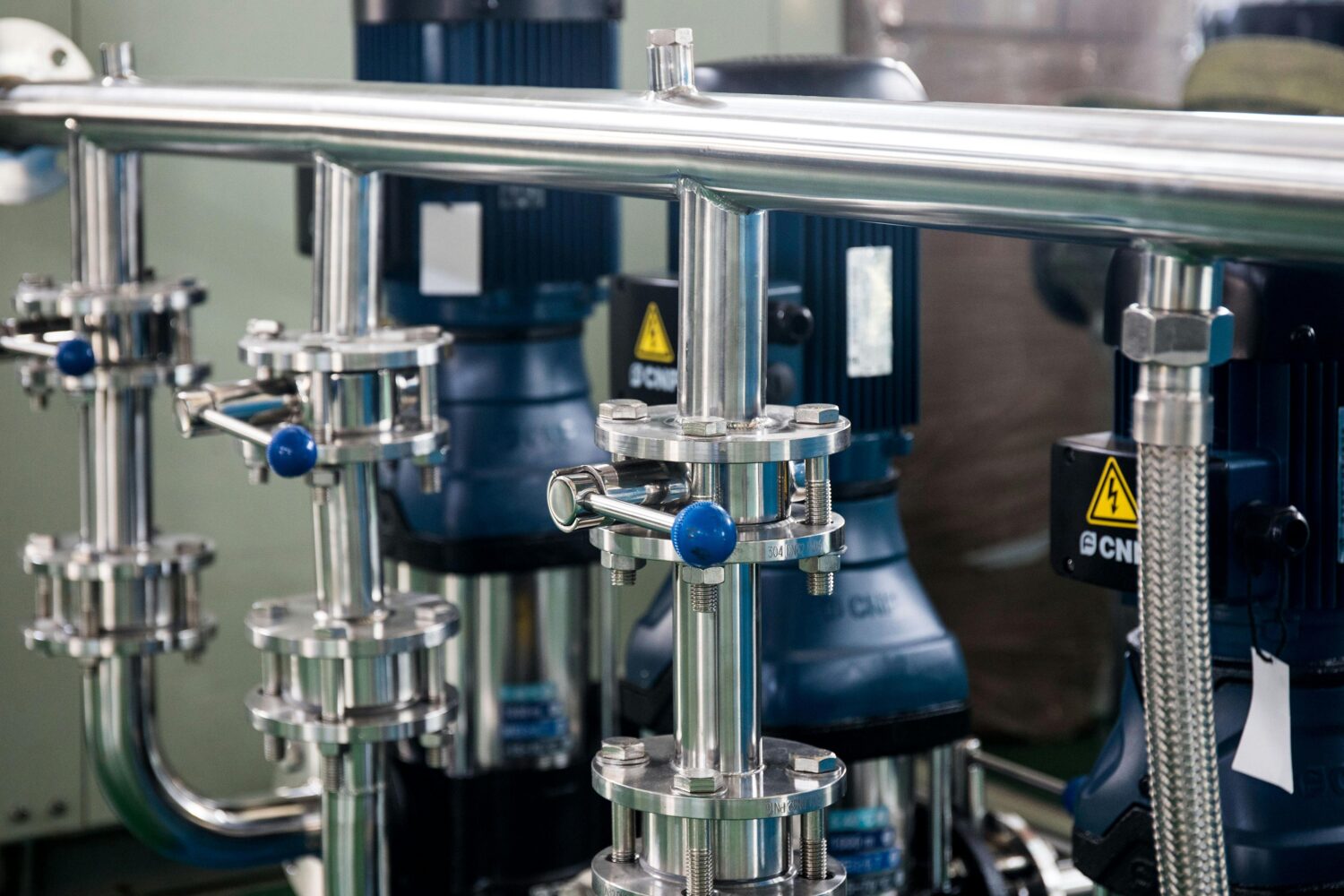
How Hygienic Design Principles Drive Competitiveness for Machine Manufacturers
How machine builders turn hygienic design principles into a competitive edge: the business case, a cleaning-cost calculation, evidence buyers check.
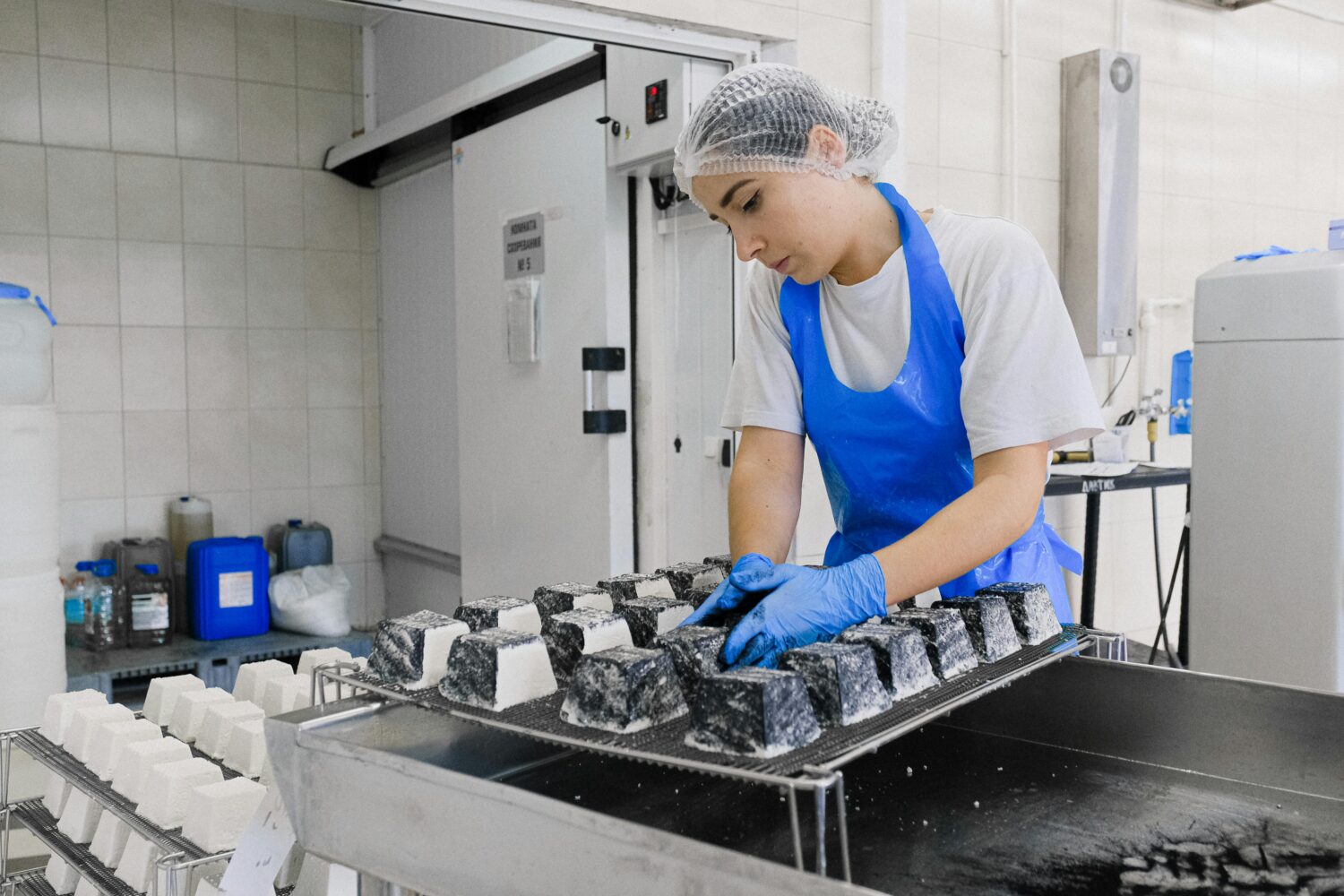
Ensure Sustainable Development and Growth with Hygienic, Certified Components
How EHEDG and 3-A hygienic components support sustainable development: lifecycle resource use, a calculation method, selection steps and an example.
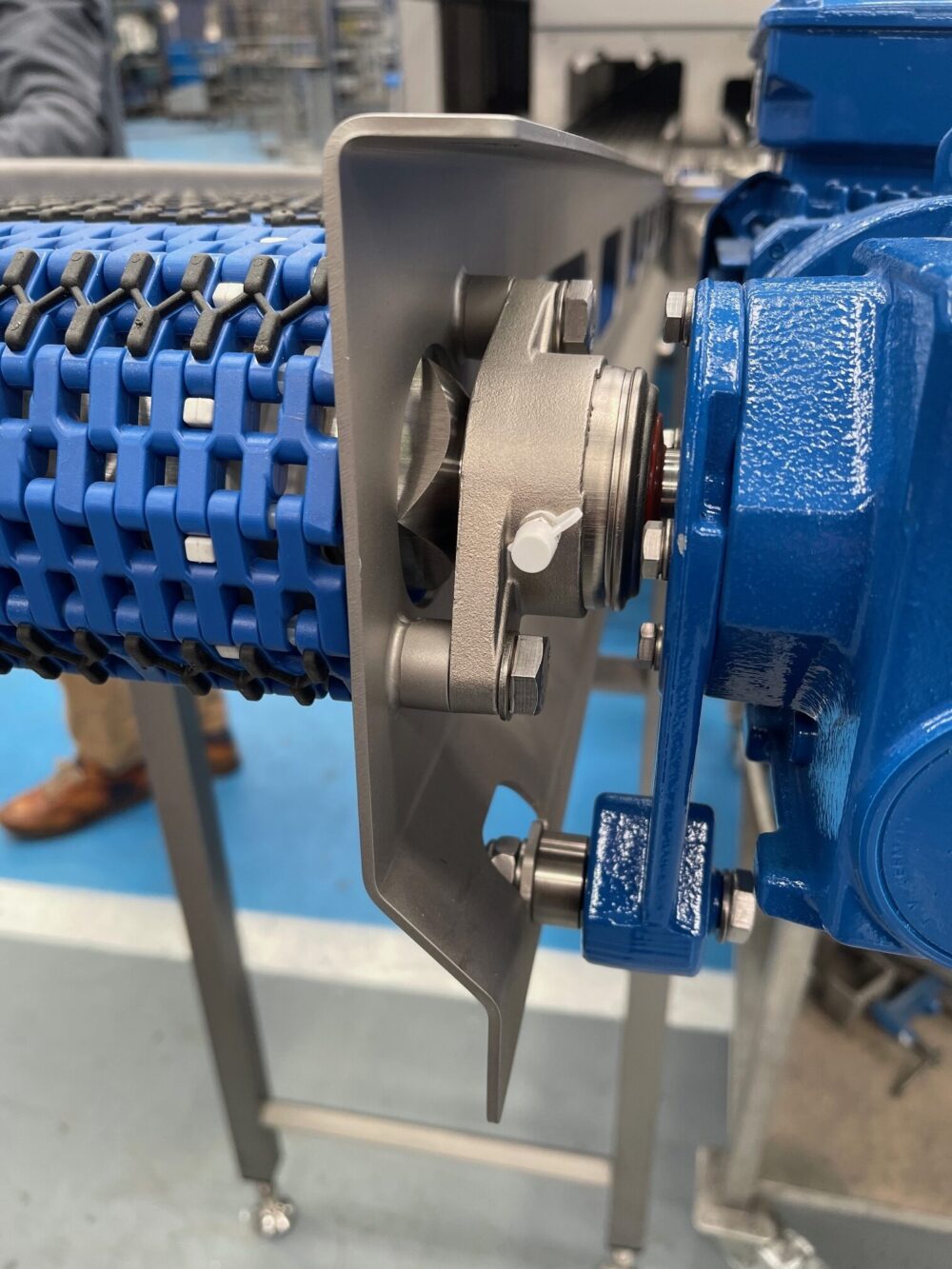
Ensuring Long-Term Cost Savings and Competitive Edge: Building the Business Case for Hygienic Components
How to build a business case for hygienic components: life-cycle cost method, break-even calculation, what buyers value and an RFQ checklist.
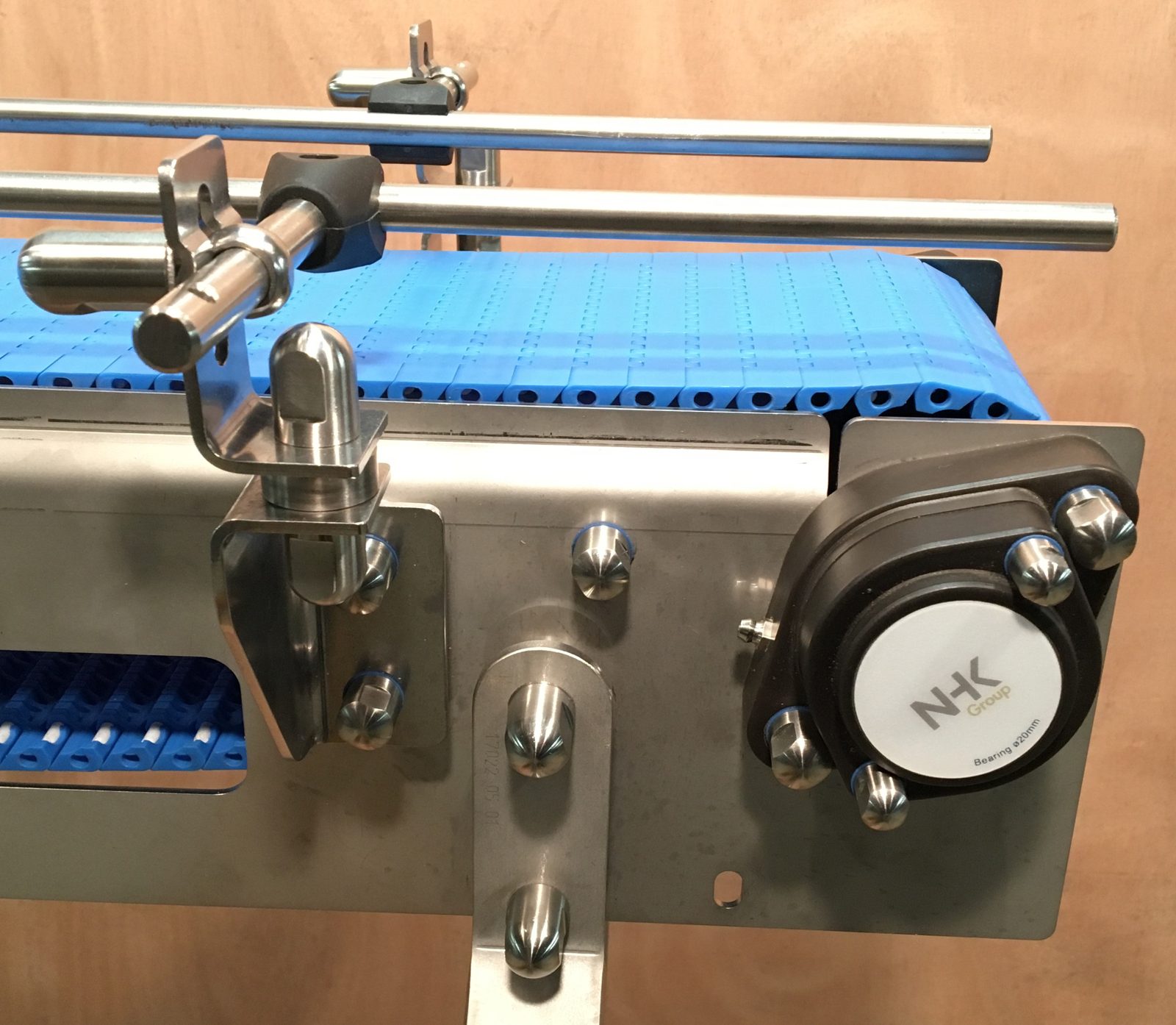
Reducing Downtime and Maintenance Costs in Hygienic Processing Industries
Where downtime comes from in hygienic processing, which component choices cut cleaning and repair time, and a simple cost method with a worked example.
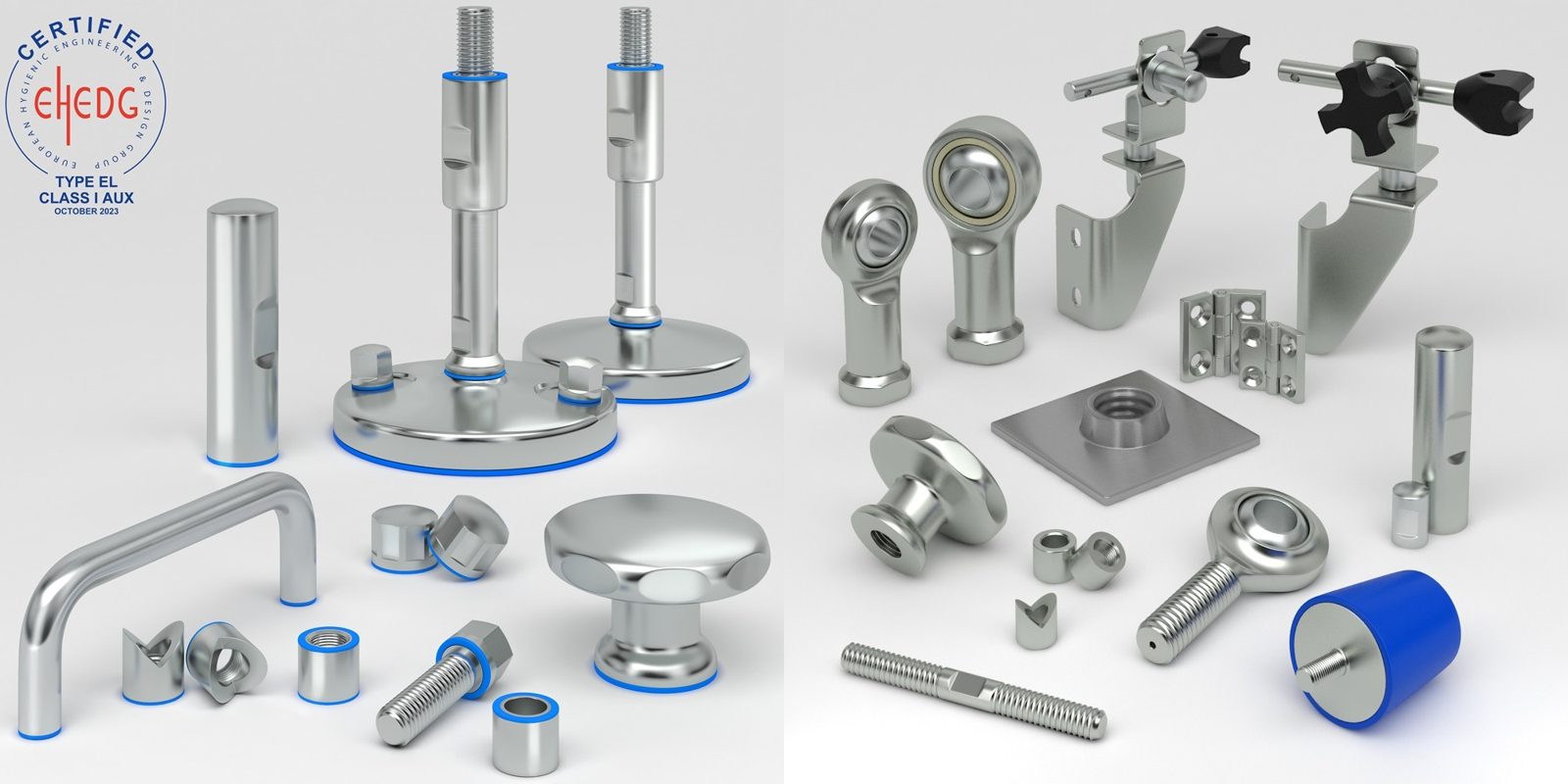
A Small Contribution Can Make a Big Difference: Why Small Hygienic Components Matter
Why small hygienic components – feet, bolts, seals, bearing units – have a big effect on cleaning, contamination risk and resources, and how to audit them.
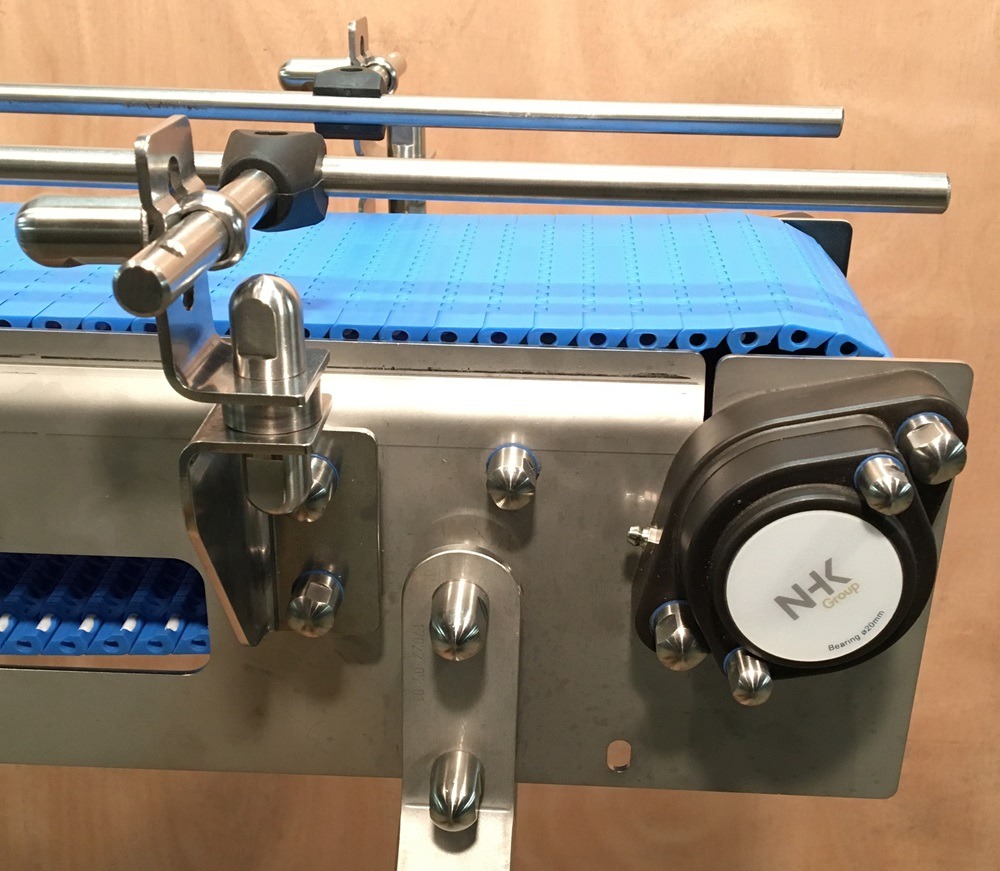
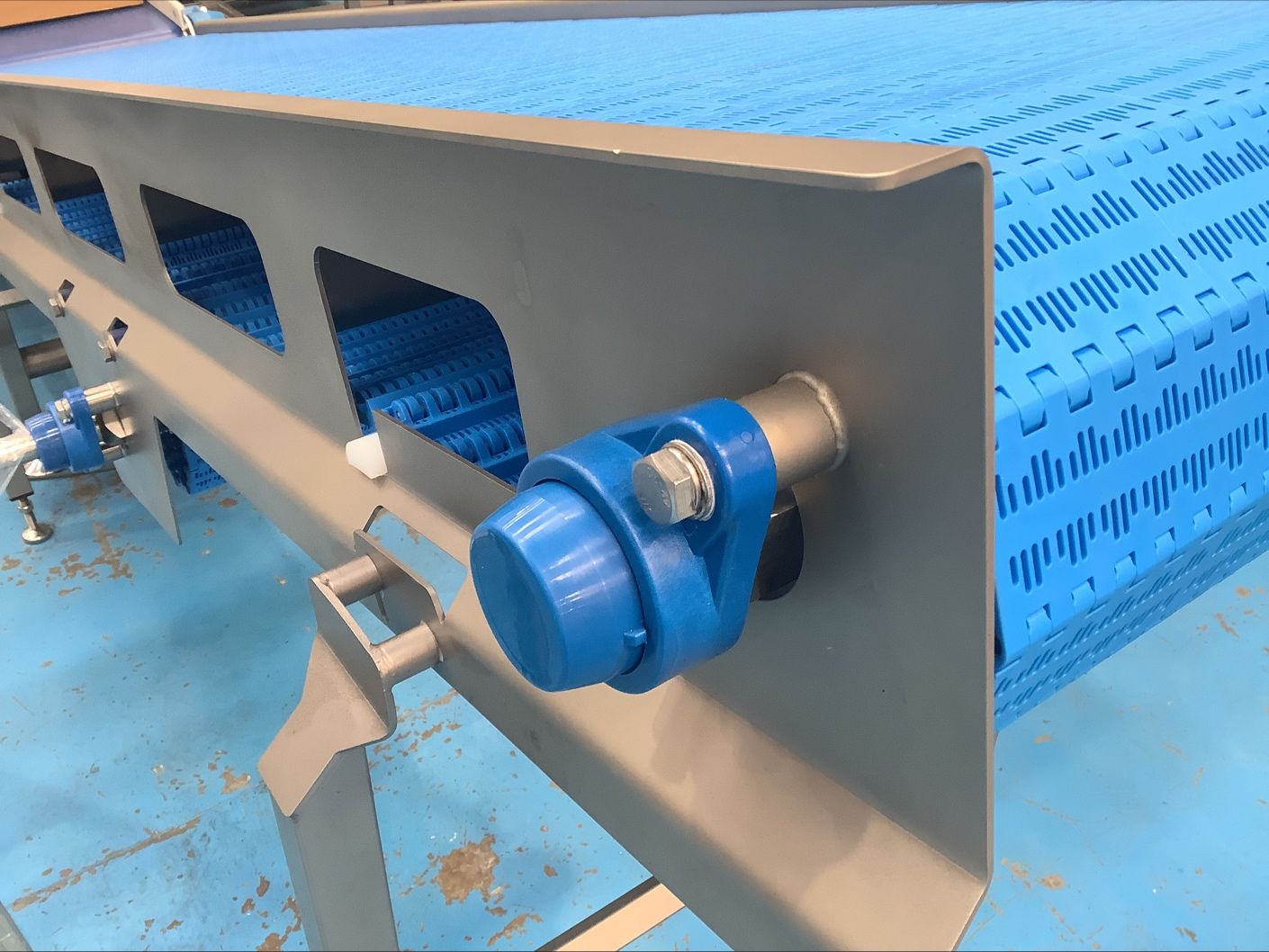
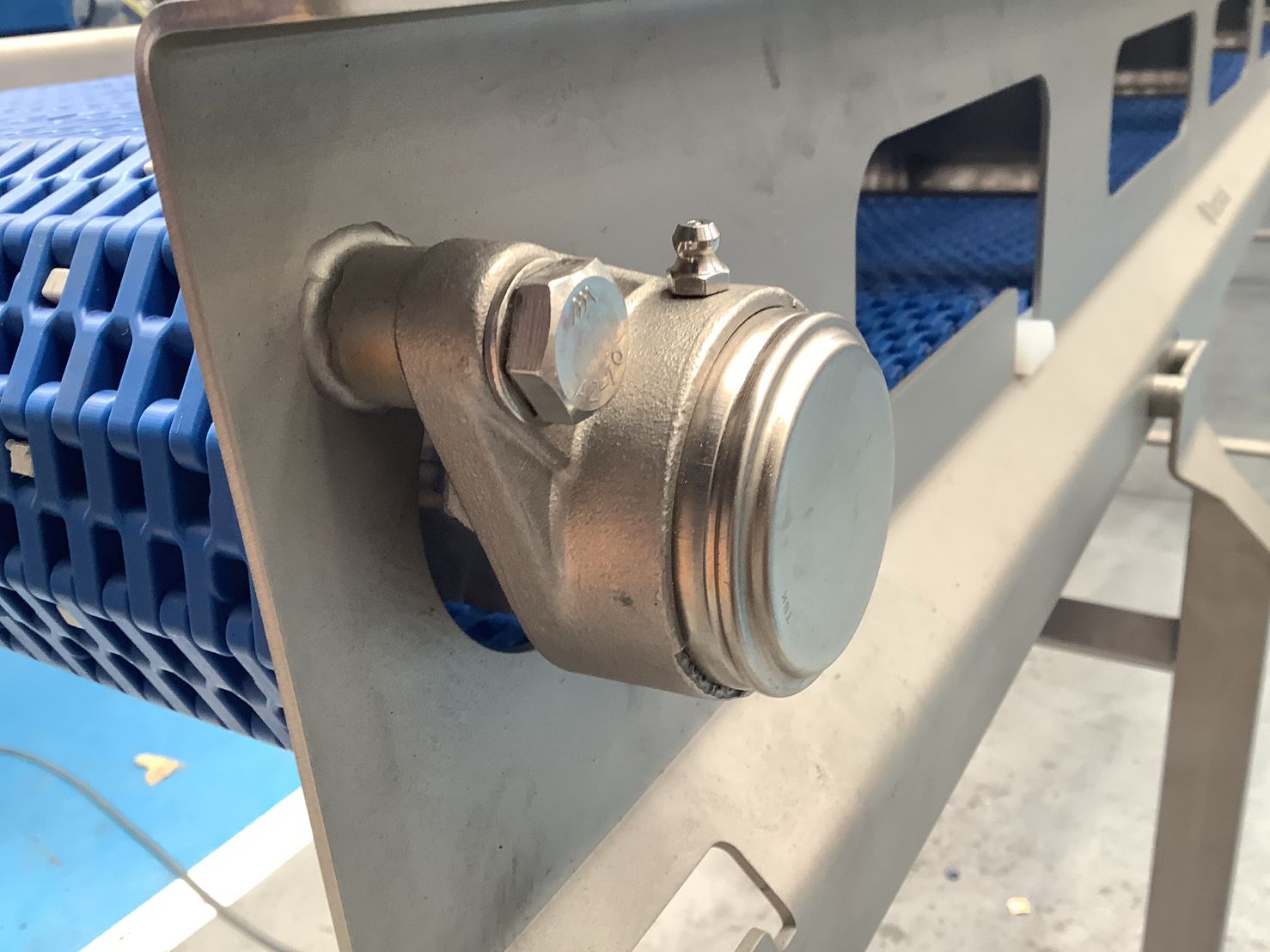
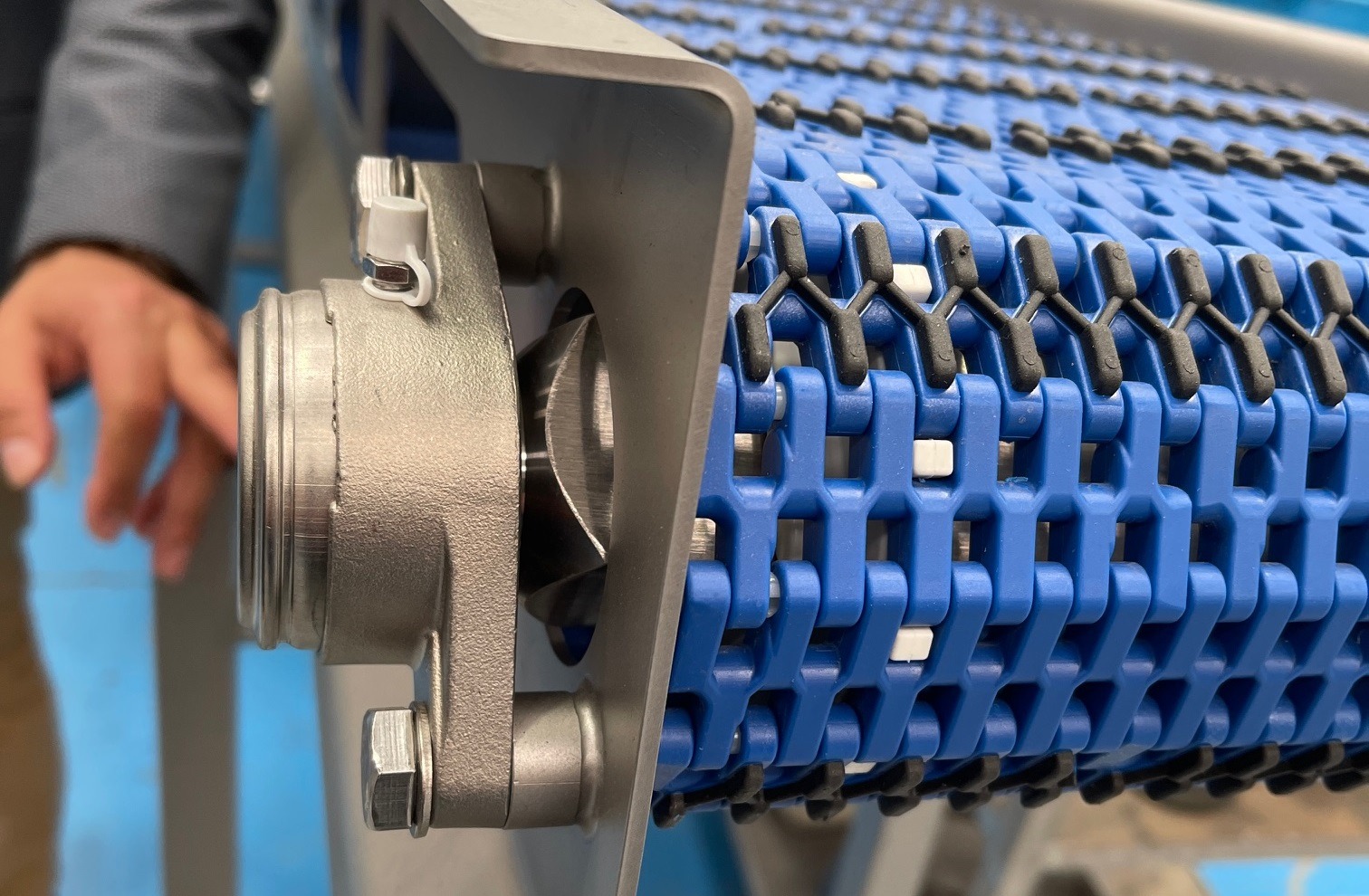
Competitive Manufacturing Landscape: Choosing Hygienic Conveyor Components
How conveyor component choices – bearings, guides, frames, fasteners, feet – affect uptime, hygiene and cost, with a selection method and RFQ checklist.
Influence the Global Sustainable Development and Growth: Certified Components for Export Machinery
How certified components support global sustainable development and growth: which marks apply in which market, what they prove, and an export checklist.
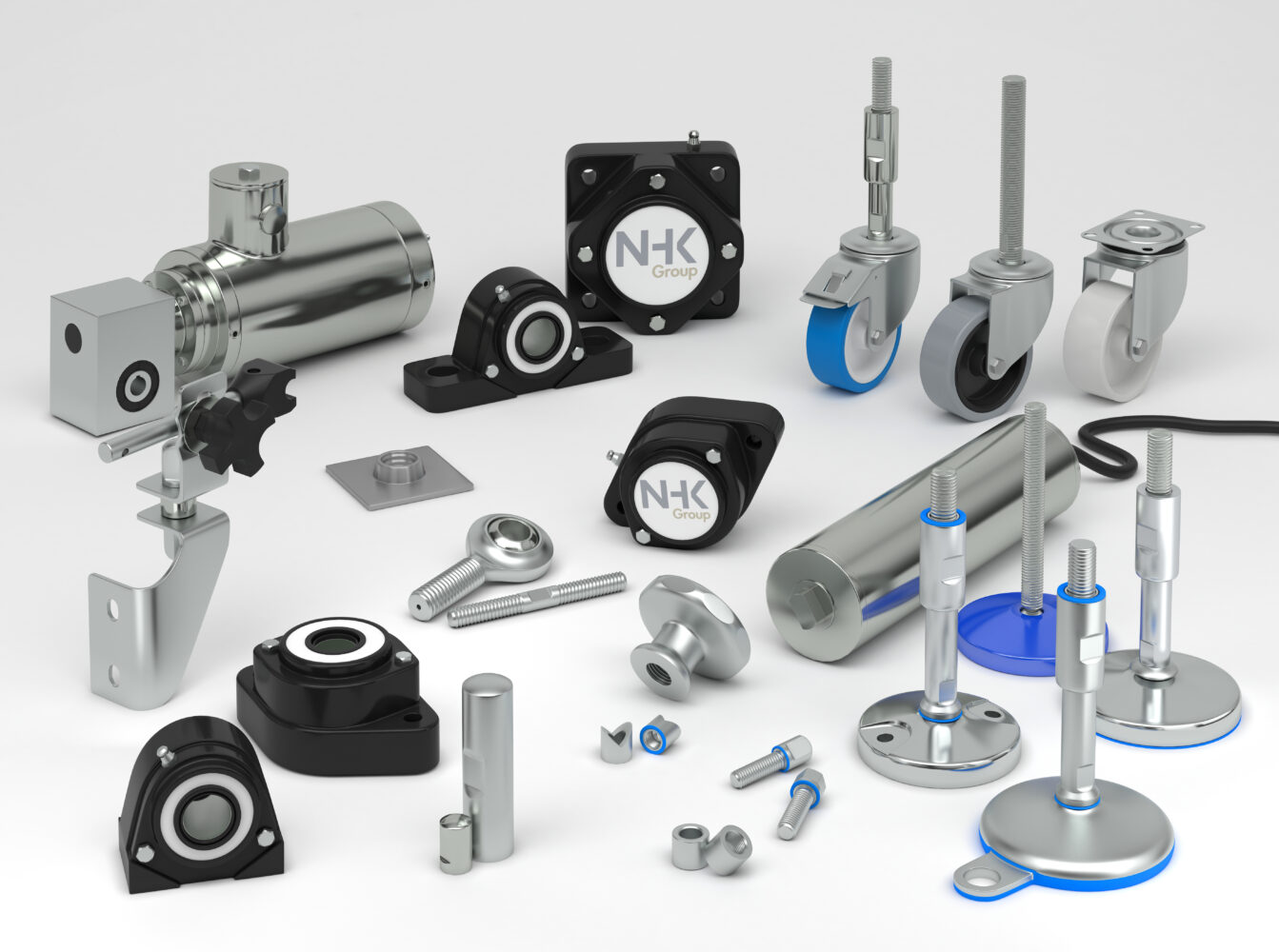
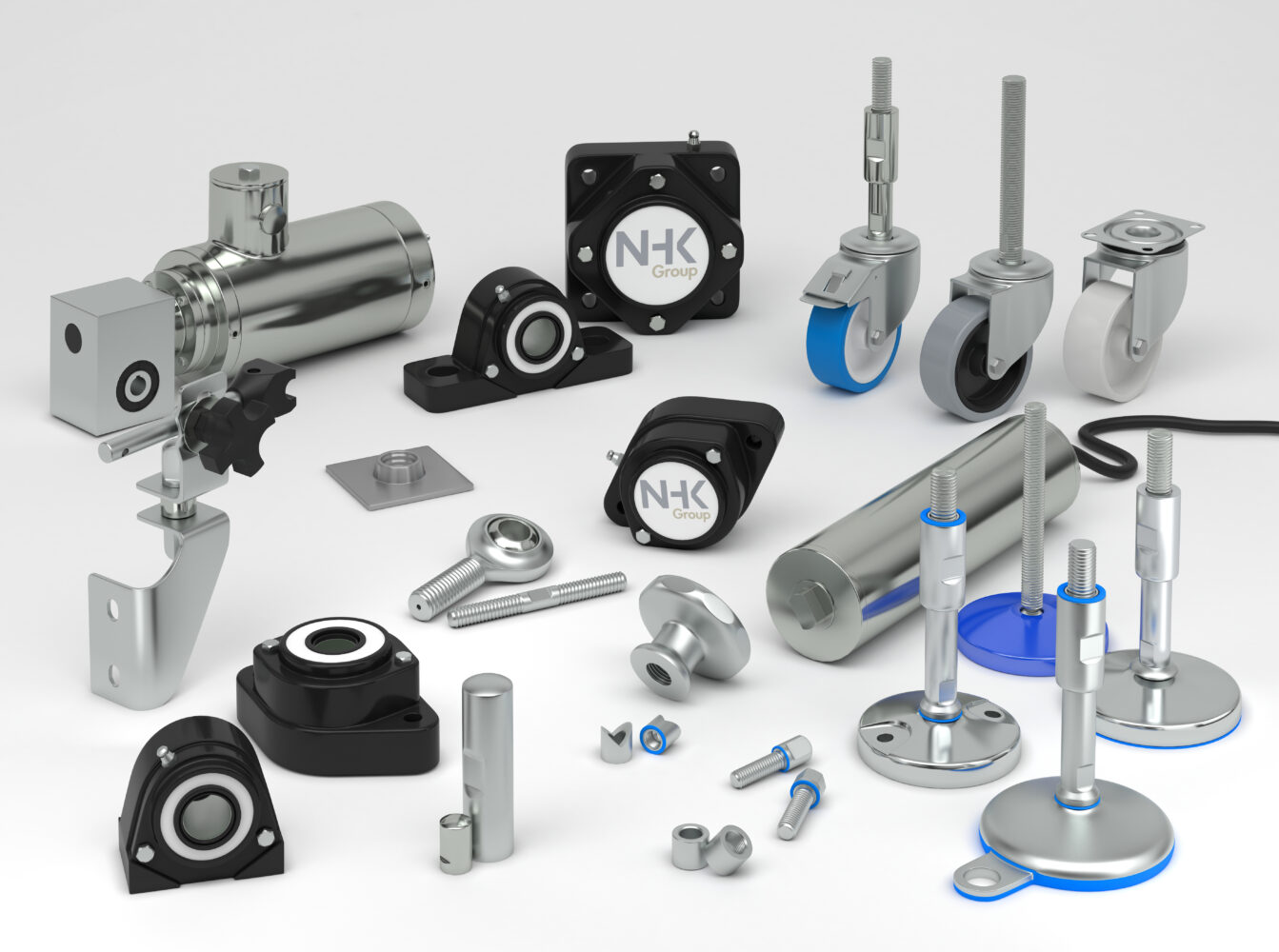
Secure Sustainable Development and Growth: Choosing the Right Component Family for Each Application
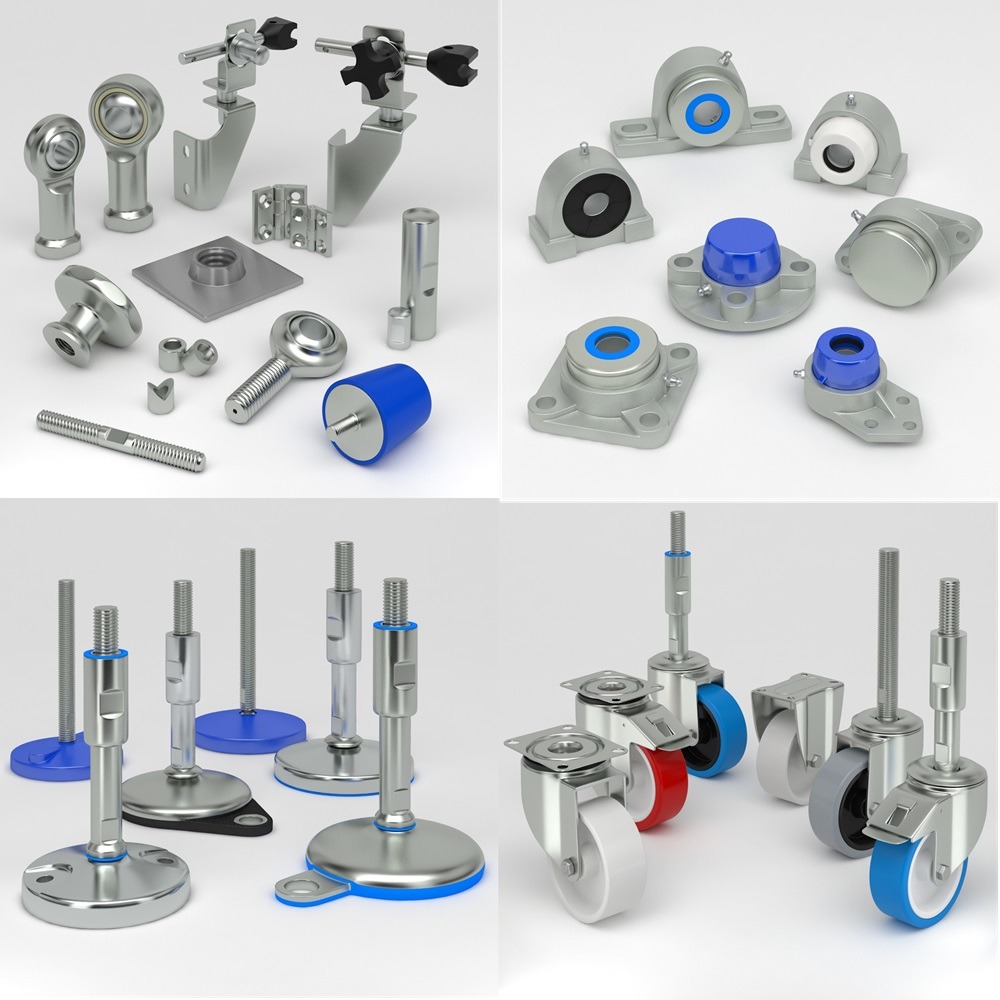
A guide to hygienic component families – feet, castors, bearing units, conveyor parts – and how matching each to its environment extends service life.
Ensuring Quality and Reliability of Certified Components and Parts
How certification works, what it proves about quality and reliability – and what it doesn't – plus supplier checks and incoming inspection for components.
Sustainable Development and Growth: The Three Pillars Applied to Machinery
What sustainable development means for machinery decisions: environmental, social and economic pillars, with a component scorecard and worked example.
Boost Your Business with Industrial Products: Standardise Components, Decide Standard vs Custom
How standardising leveling feet, bearing units and hygienic parts cuts spares and errors – plus when a custom part is worth it. Method, table and example.
Convincing Clients of Technical Challenge Value: Arguments for Certified Components That Hold Up
Which arguments for certified and hygienic components hold up with QA, maintenance and finance – with evidence to bring, claims to avoid and an example.
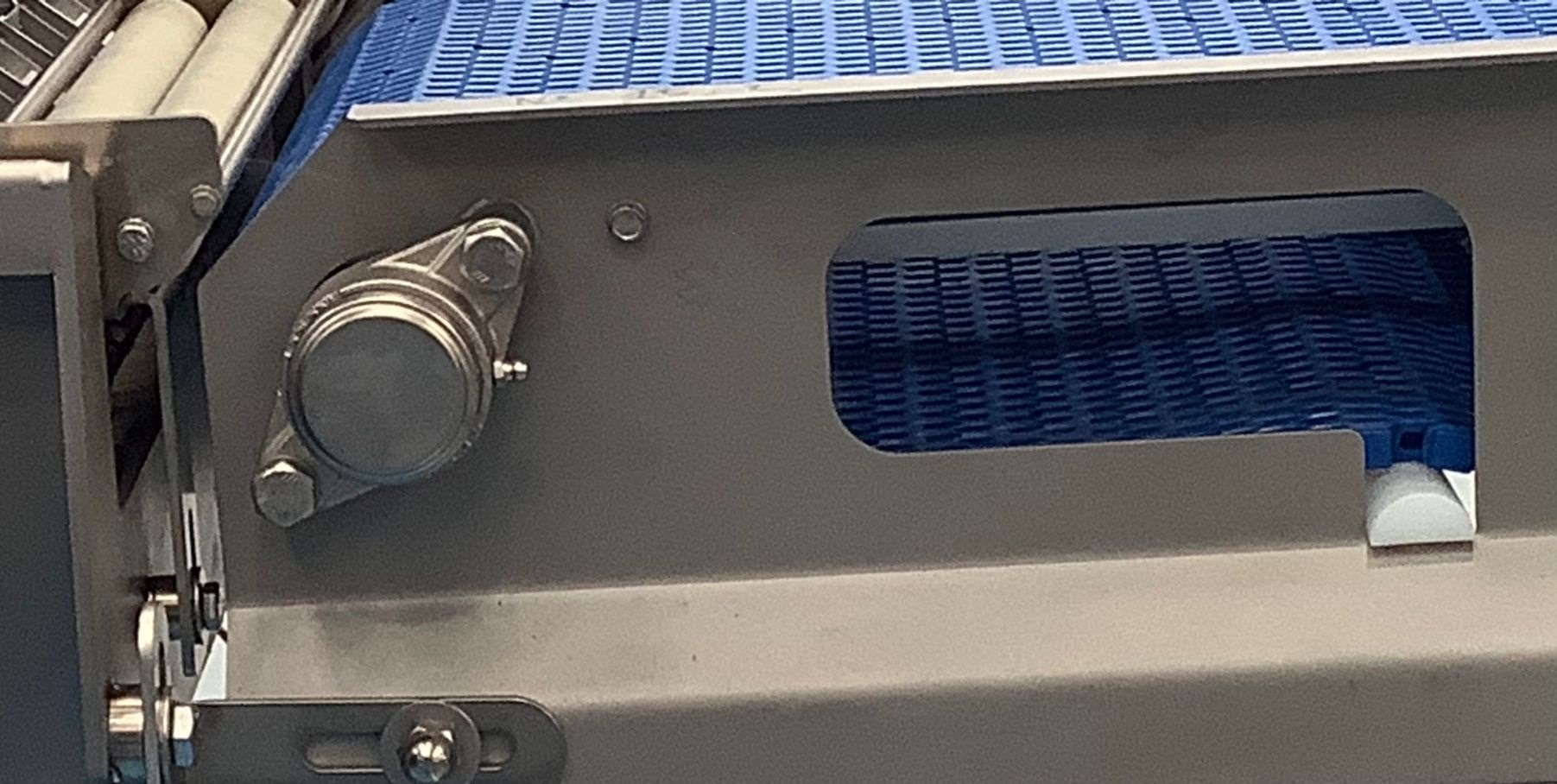
How Do You Solve Technical Challenges on Hygienic Machinery? A Root-Cause Method
A six-step method for solving technical challenges on hygienic machinery: evidence, root cause table, pilot fix, KPIs and a worked bearing-failure example.
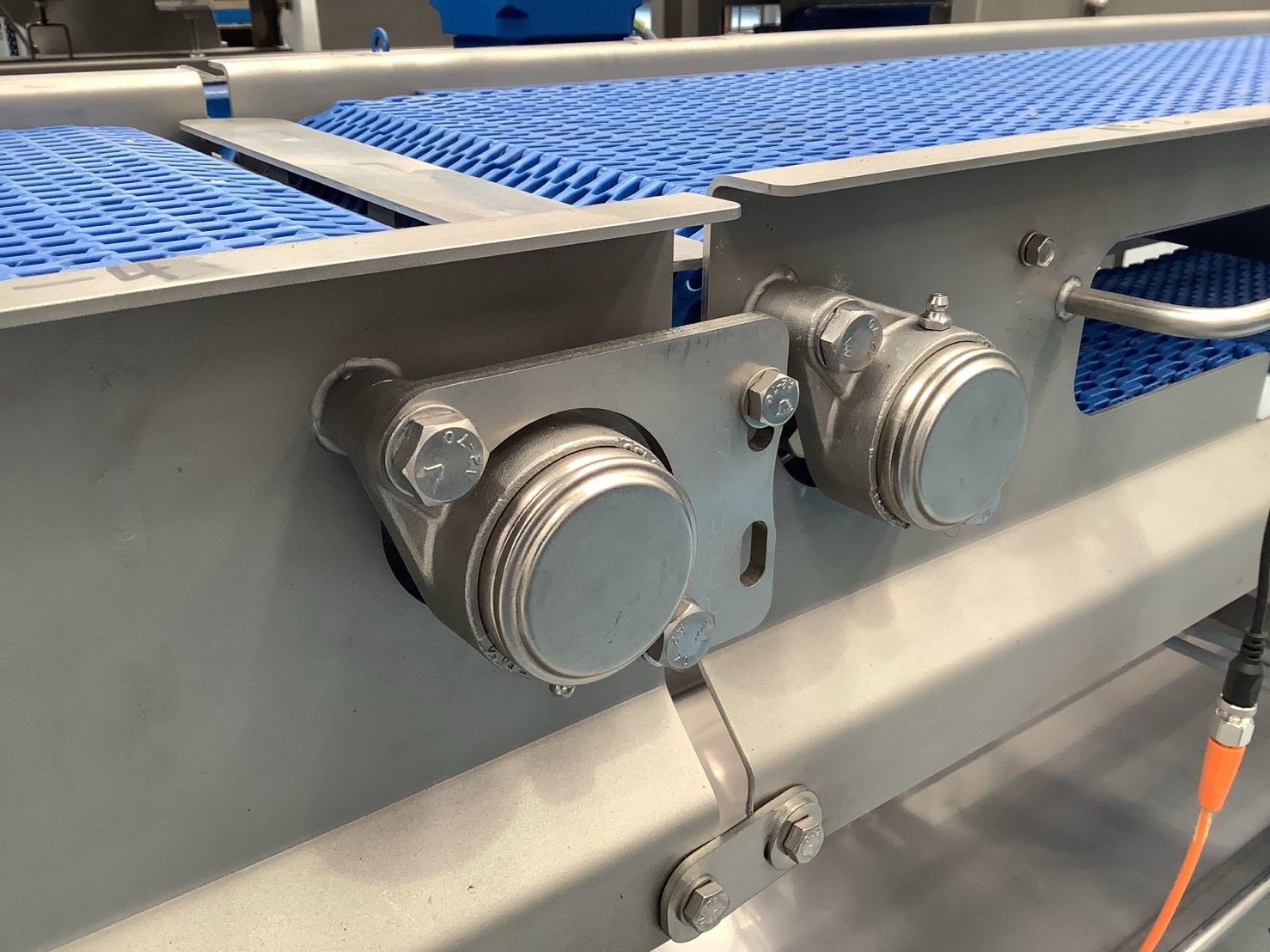
The Value in Technical Challenges: How to Present Hygienic Design Problems to Clients
How OEMs and engineers turn hygienic design challenges into client decisions: root cause, risk, options table, five-step framing and worked example.

Ensure the Competitive Edge by Using Certified Parts: What Each Industry Expects from OEMs
Which industries expect EHEDG or 3-A certified parts from machine builders, what to put in the tender file, and when hygienic design alone is enough.
Competitive Advantage by Optimized Hygienic Design
Which hygienic components to use where: EHEDG and 3-A parts, levelling feet, castors, bearing units, side guides and drum motors – matched to zone.
Hygienic and Sanitary Design: Future-Proof Your Hygienic Equipment
How to specify hygienic equipment that still passes in ten years: design margins for harsher cleaning, allergen changeovers, new rules and audits.
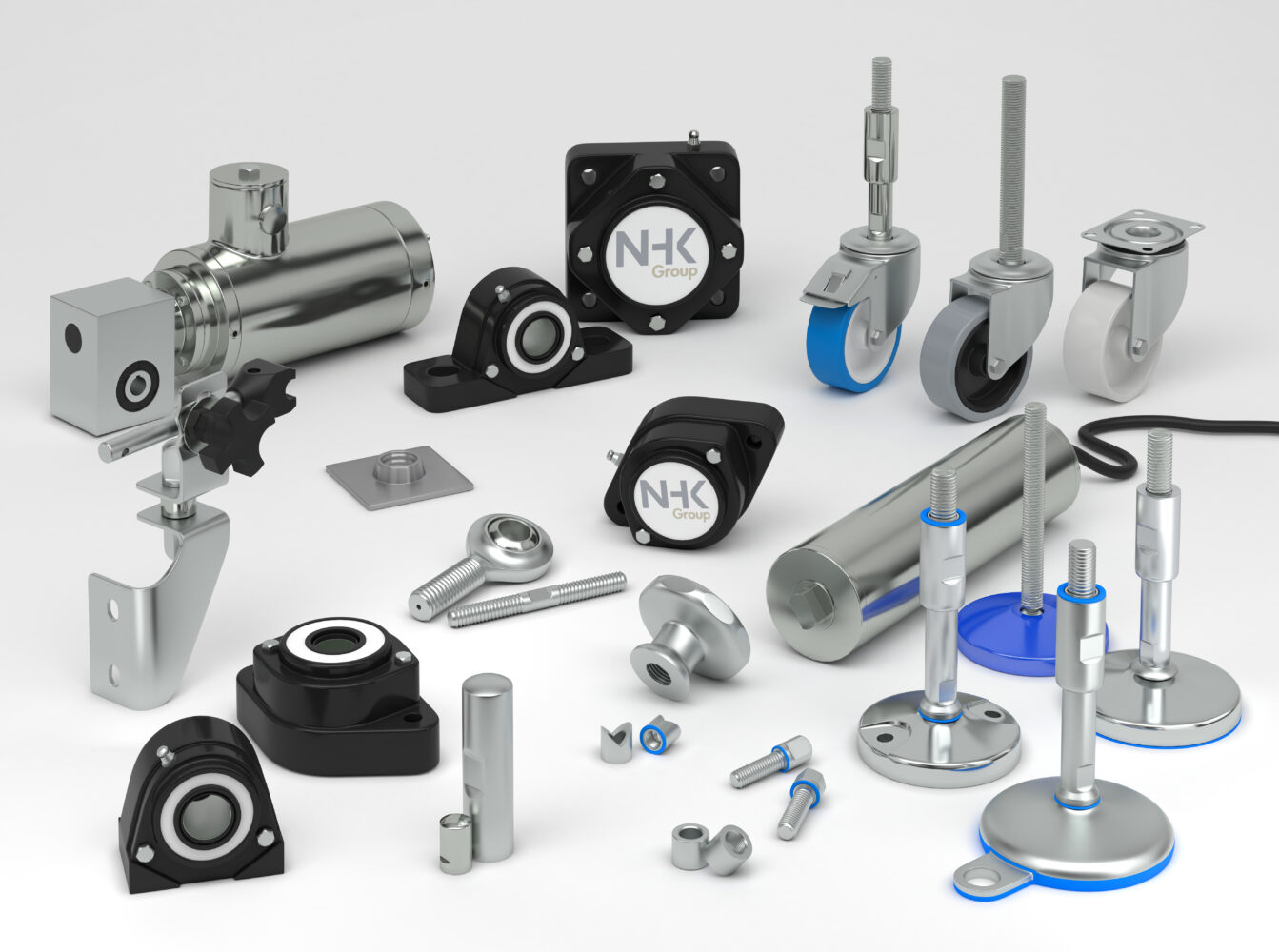
Hygienic Design: A Strategic Competitive Advantage
How to turn hygienic design into a measurable strategic advantage: value levers, a business-case method with fill-in formulas, and investment priorities.
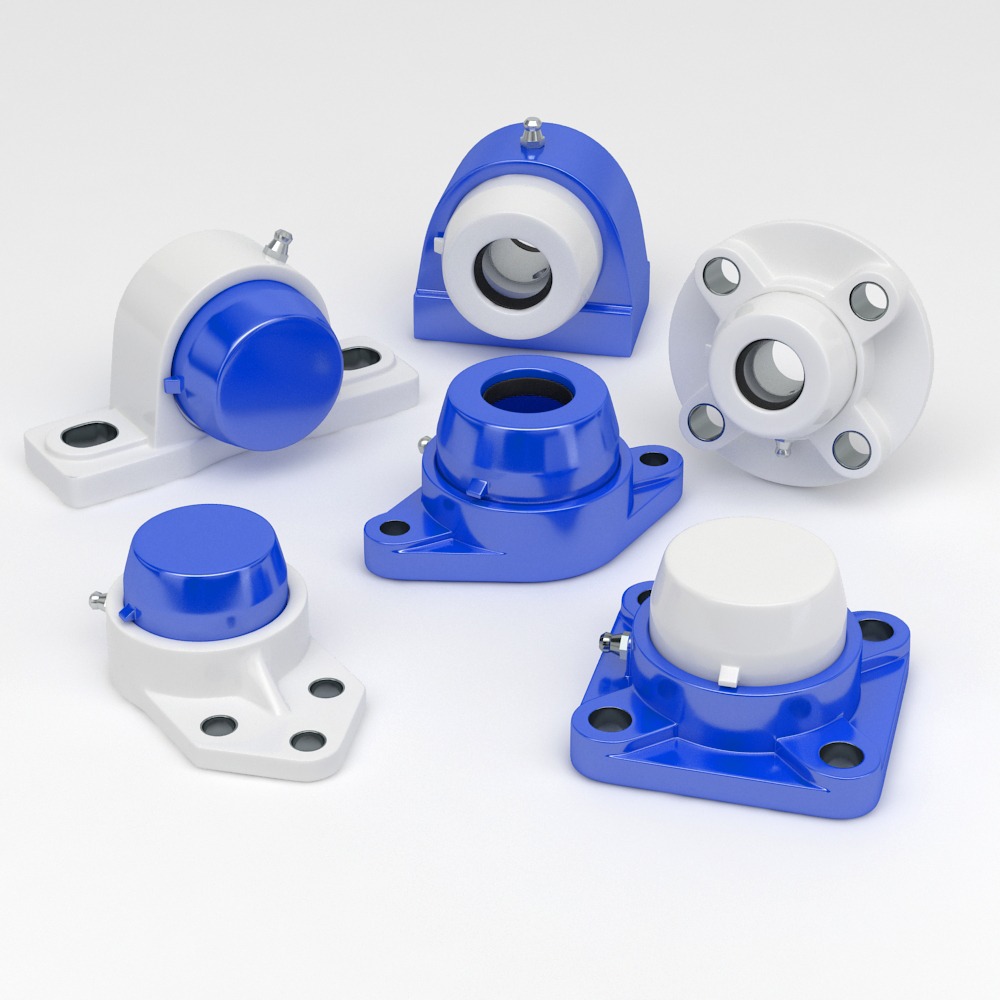
An Economical and Reliable Solution: When IP54 Thermoplastic Bearing Units Are Enough
When are IP54 thermoplastic bearing units an economical and reliable solution – and when not? Decision criteria, comparison table and a selection method.
The Strategic Importance of Hygienic Machine Parts in Equipment Purchasing
When to decide on hygienic machine parts – specification, design review, upgrade or breakdown – with spec clauses and a checklist for new and existing lines.
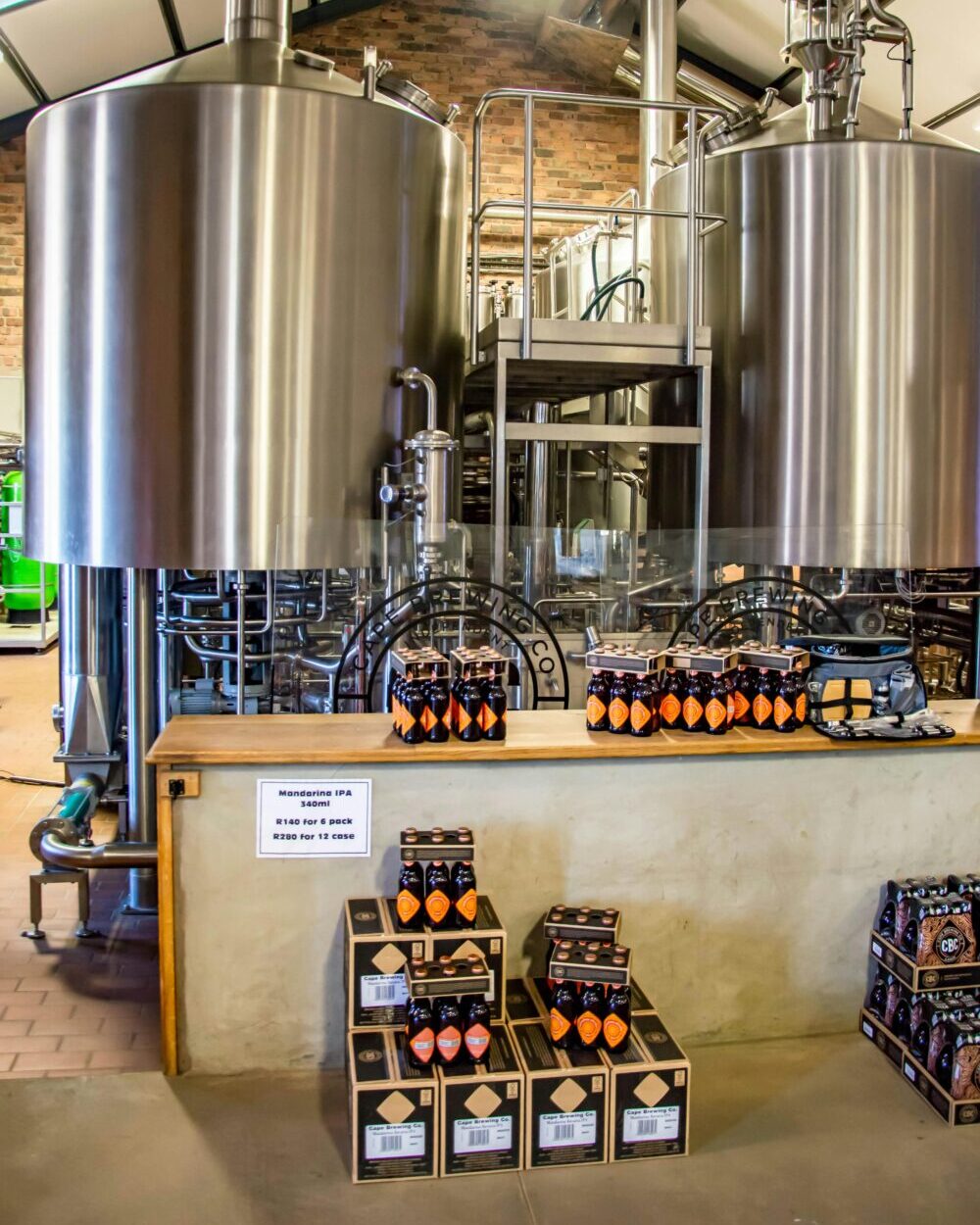
Why Sustainable Practices Are Becoming Crucial in the Machinery Supply Chain
The five drivers behind sustainable supply chains, what they mean for machinery component buyers, and what evidence to ask suppliers for in an RFQ.
Need components for this application?
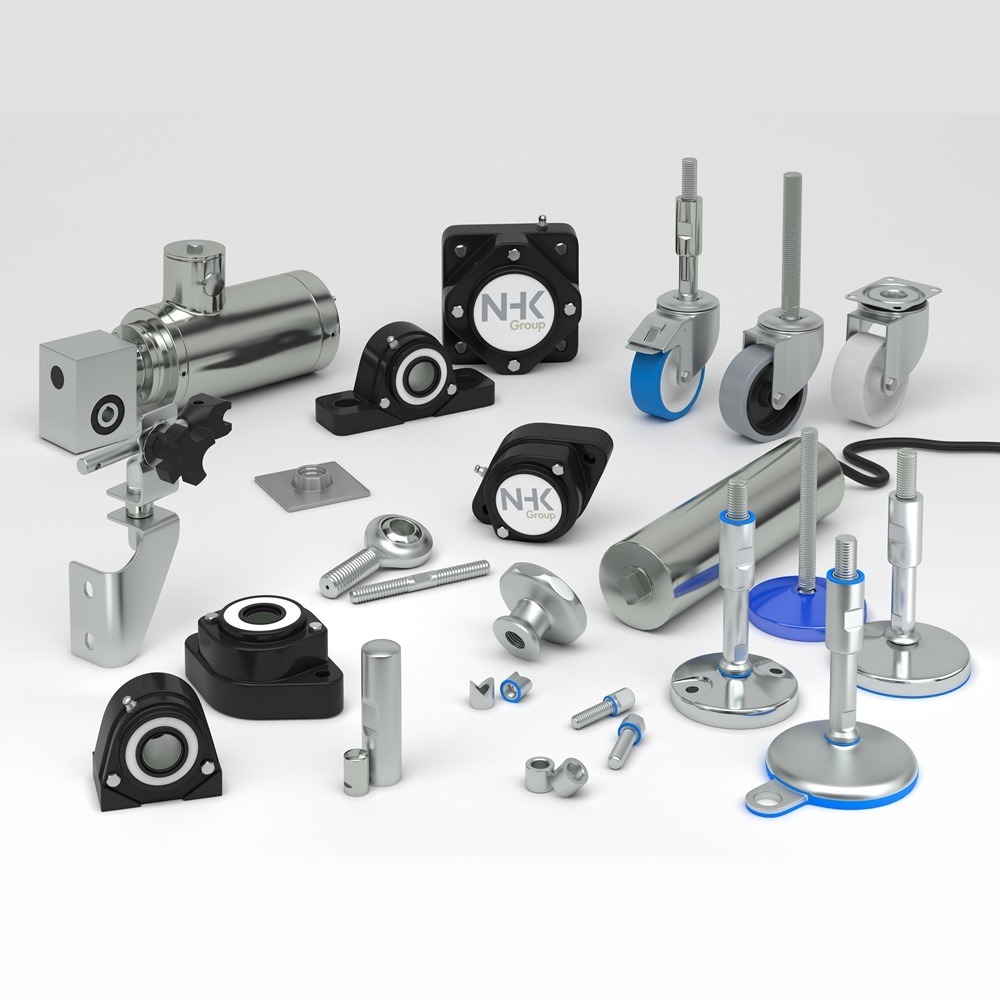
NHK Group supplies hygienic bearing units, levelling feet, castors and conveyor components for food, dairy, beverage and pharmaceutical machinery.