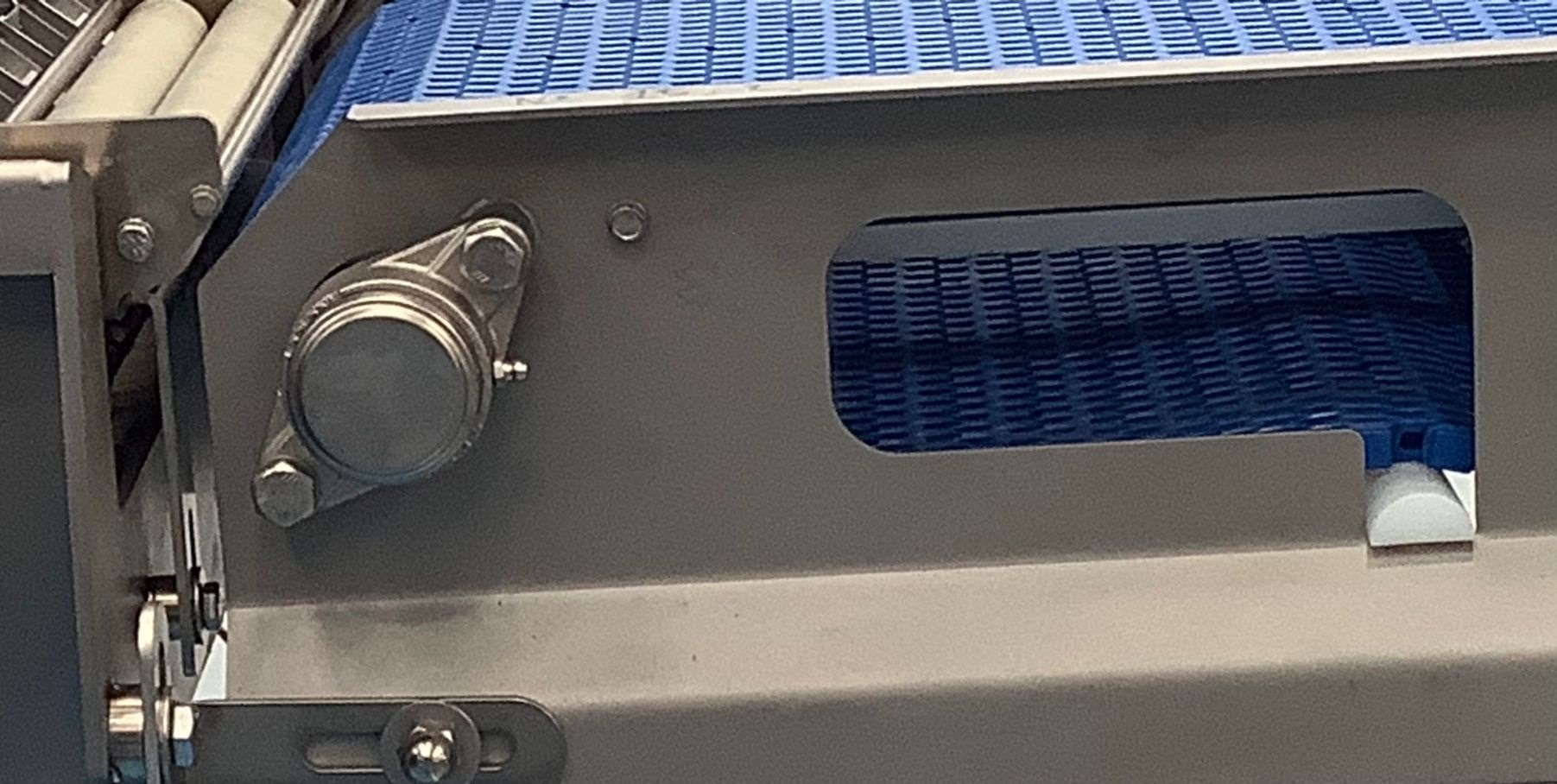
Solving technical challenges is a structured process of defining a problem, finding its root cause, testing a fix and verifying that it holds. On hygienic machinery the challenges are usually concrete – a bearing unit that fails after washdown, a foot that corrodes, a seal that swells, a frame that does not drain – and this guide shows how to work through them step by step.
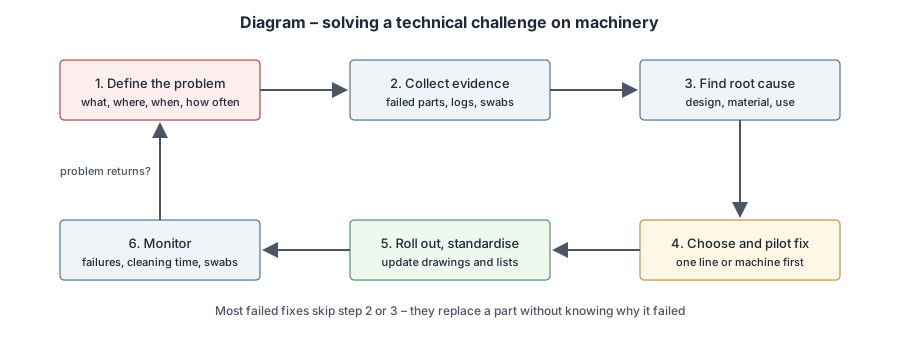
Once you have a solution, the companion guide the value in technical challenges shows how to present it to a client or management so it gets approved.
Step 1: How do you define the problem?
Write one sentence that answers what, where, when and how often: "Flange bearing units on the outfeed conveyor of line 2 fail every few months, always on the drive side." Avoid built-in solutions such as "we need better bearings". Then prioritise: rank open problems by their effect on food safety, safety of people, downtime and cost.
Step 2: What evidence should you collect?
- Failed parts. Keep them, labelled with date and position. Rust, grease emulsion, cracked housings and worn seals each tell a different story.
- Records. Stop logs, maintenance orders, cleaning records, audit findings.
- Conditions. Cleaning method – CIP (cleaning in place), COP (cleaning out of place), foam or high-pressure washdown – detergent type and concentration, temperatures, loads, speeds.
- People. Ask operators, cleaners and maintenance staff separately; each sees a different part of the picture.
Step 3: How do you find the root cause?
Use the 5 Whys or a fishbone diagram, and classify the cause. Each class needs a different fix:
| Root-cause class | Typical evidence | Typical examples | Fix direction |
|---|---|---|---|
| Design | Same failure on every similar machine | Exposed thread on feet; crevices (narrow gaps that trap soil); dead spaces where water stands; housing not self-draining | Change to hygienic design part or modify the area |
| Material | Corrosion, swelling, cracking | AISI 304 where chlorides cause chloride pitting; incompatible elastomer (EPDM, FKM or VMQ chosen wrongly for fats or detergents); galvanic corrosion between stainless and plain steel | Change material grade or compound |
| Installation | Failure on one machine only, or soon after fitting | Misaligned bearing units, unlevelled feet, overtightened fasteners | Correct installation, add checklist |
| Use and cleaning | Failure linked to cleaning shifts or new detergents | Jets aimed at seals, too-high pressure close to parts, wrong concentration | Change procedure, train, choose more tolerant parts |
| Load and duty | Wear, cracking, deformation | Underrated feet on an uneven floor, overloaded shaft | Recalculate, upsize |
For feet, a common overlooked root cause is load: load per foot = total load ÷ number of feet that actually carry it × safety factor. On an uneven floor, fewer feet carry the load until the machine is levelled.
Step 4: How do you choose and pilot a fix?
- List at least two options and evaluate feasibility, cost, effect on the root cause and side effects.
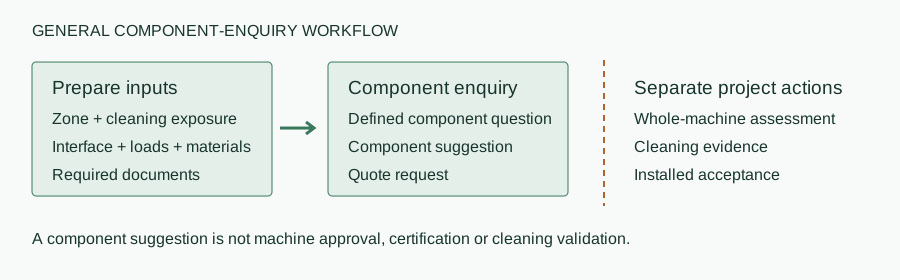
- Check standards where relevant: in product-contact and splash zones, hygienic design to EHEDG guidelines or EN 1672-2; a certified component only where a certificate for that specific design exists.
- Pilot on one machine or one line first.
- Set the success measure before the pilot – for example no failure after a defined number of cleaning cycles, or swab results below the site limit.
- Document what was changed, so the pilot can be repeated or reversed.
Step 5: How do you roll out and standardise?
Roll out only after the pilot meets its measure. Then update what keeps the fix in place: drawings, the component standard list, spare-part stock, cleaning instructions and installation checklists. Remove the old part from stock so it is not refitted by mistake.
Step 6: How do you monitor and optimise?
Choose a few key performance indicators (KPIs) linked to the original problem:
| Problem type | KPI | Baseline needed |
|---|---|---|
| Component failure | Failures per period, mean time between failures | Yes – previous period |
| Downtime | Unplanned stop minutes | Yes |
| Cleaning effort | Cleaning time per shift, water and detergent use | Yes |
| Hygiene | Swab or ATP results at the affected point | Yes |
Review after a period long enough to cover normal variation, and reopen the loop if the problem returns.
Worked example: bearing units failing after washdown
Example – assumptions stated, not data from a real plant.
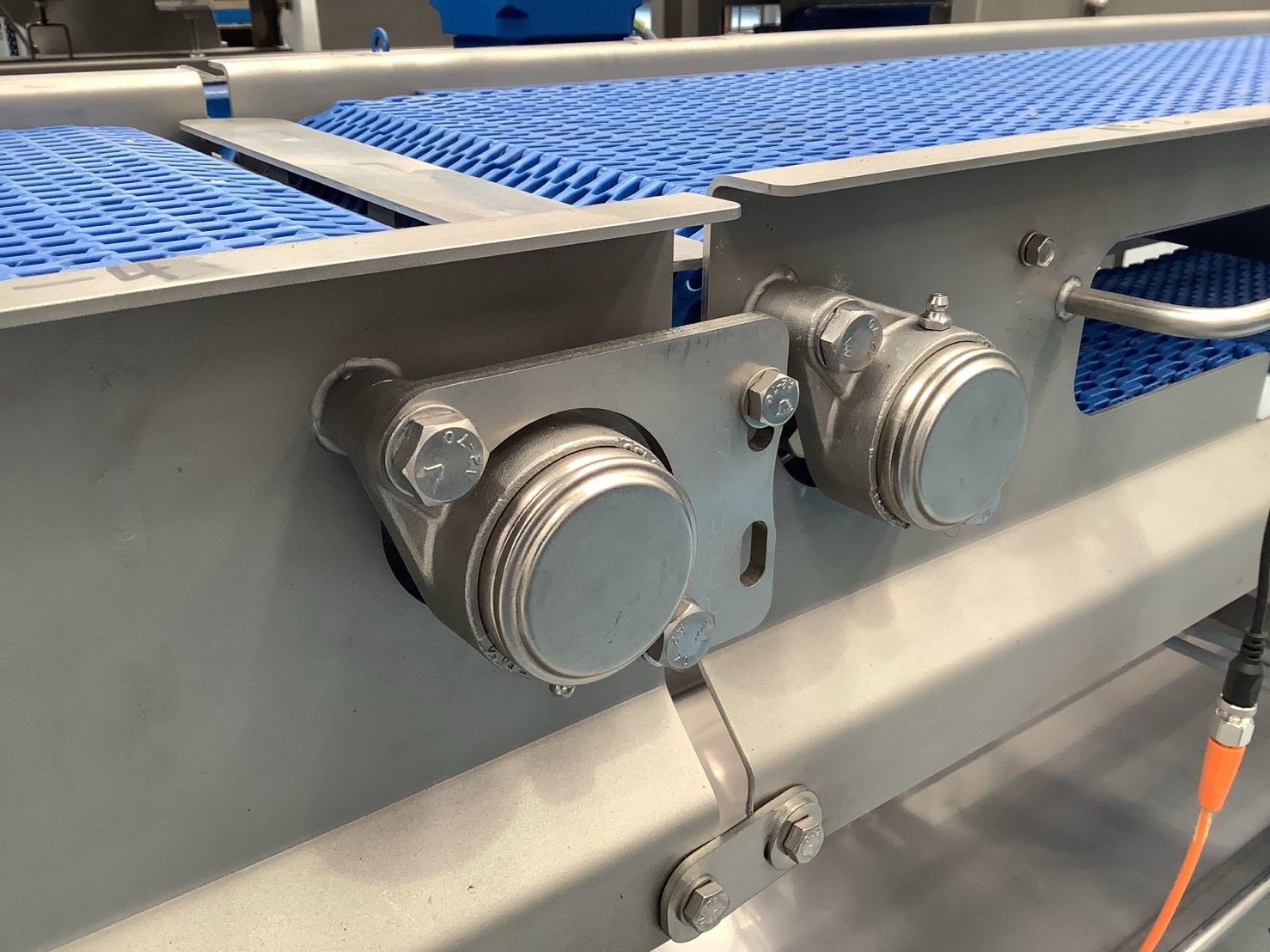
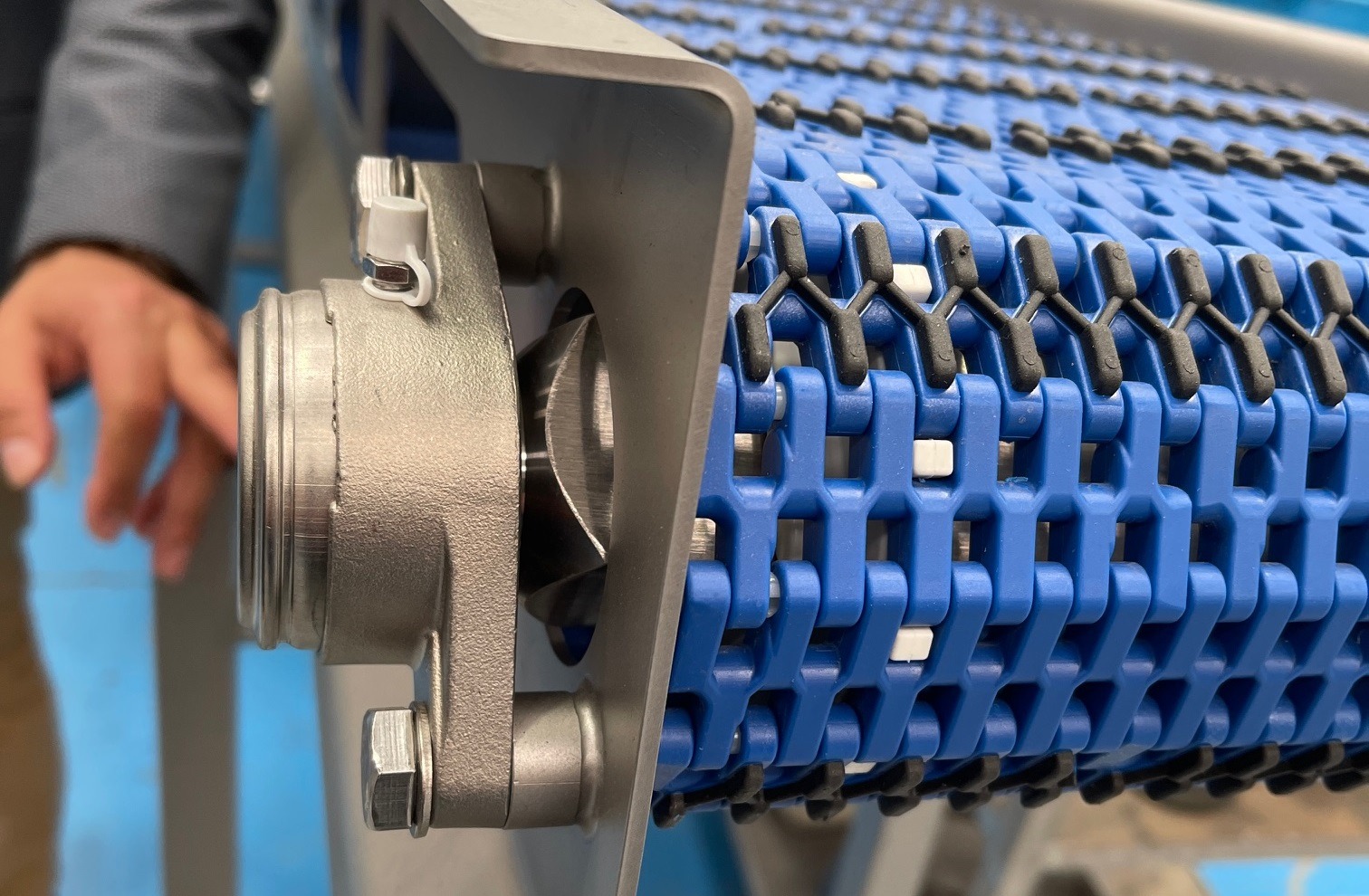
- Define: flange bearing units on a meat conveyor fail every few months, mostly on the side facing the cleaning walkway.
- Evidence: failed units show rust inside the housing and grease emulsion; cleaners use high-pressure jets at short distance; housings are painted cast iron.
- Root cause (5 Whys): bearing fails → water in the bearing → water passes the seal → high-pressure jet aimed directly at the seal on the walkway side → no cleaning instruction for jet distance, and the housing type is not designed for washdown.
- Options: (a) cleaning instruction and training only; (b) sealed stainless bearing units designed for washdown; (c) both.
- Pilot: option (c) on one conveyor, success = no bearing failure and no visible emulsion after a defined number of cleaning cycles.
- Roll out and standardise: update the standard list and cleaning instruction for all conveyors in the hall.
- Monitor: failures per quarter compared with the previous year.
Failure modes in problem solving
- Replacing like-for-like: the cause remains, so the failure returns.
- Fixing the symptom: more grease instead of stopping water ingress.
- No baseline: nobody can tell whether the fix worked.
- Too many changes at once: the pilot cannot show which change mattered.
- No standardisation: the old part comes back with the next spare-part order.
What the old page claimed
The old example promised "a 20% increase in production efficiency" and cited a case study with "a 30% increase in their output". These figures were not backed by data and have been removed; use your own baseline and measured results instead.
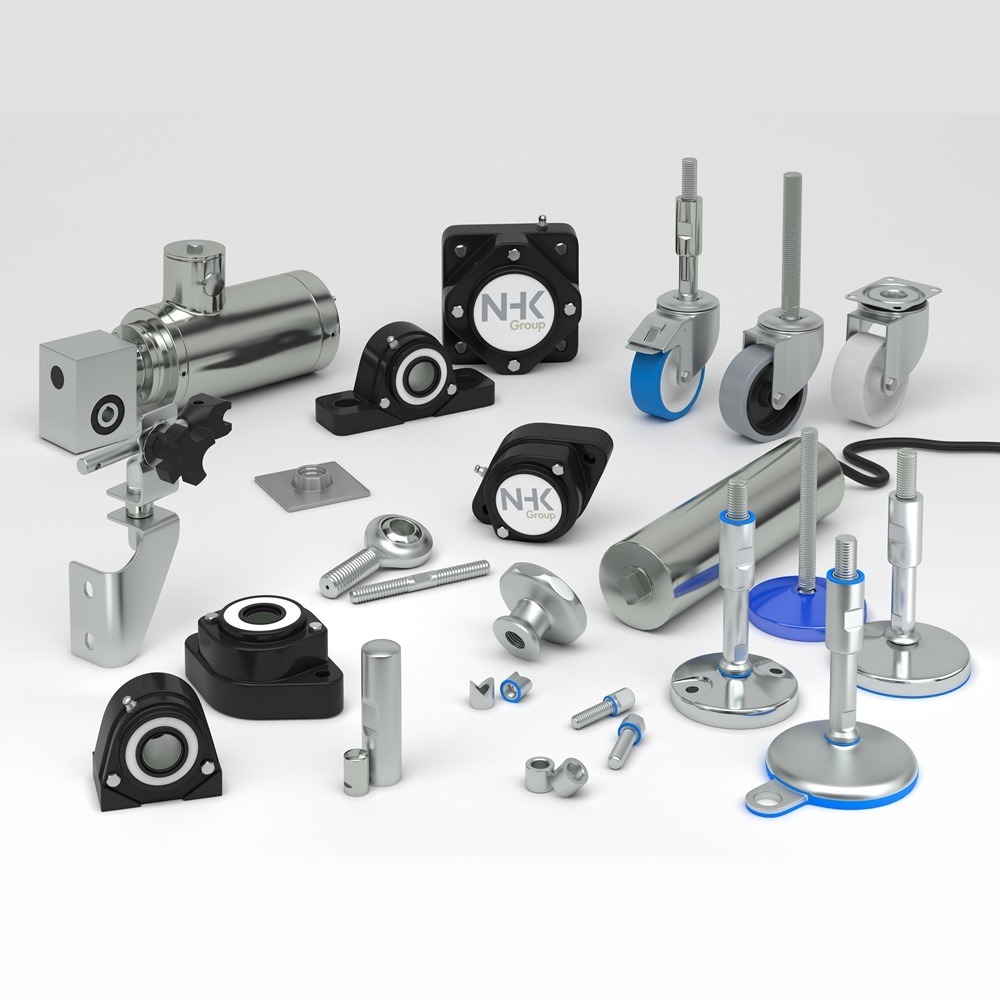
Where to start in the NHK range
For the washdown bearing problem in the example, the relevant NHK line is sealed stainless bearing units; other components are in the full NHK product line. Take ratings and certificates from the individual product pages, and send application questions to NHK contact. For conveyor components see also reducing downtime and maintenance costs.