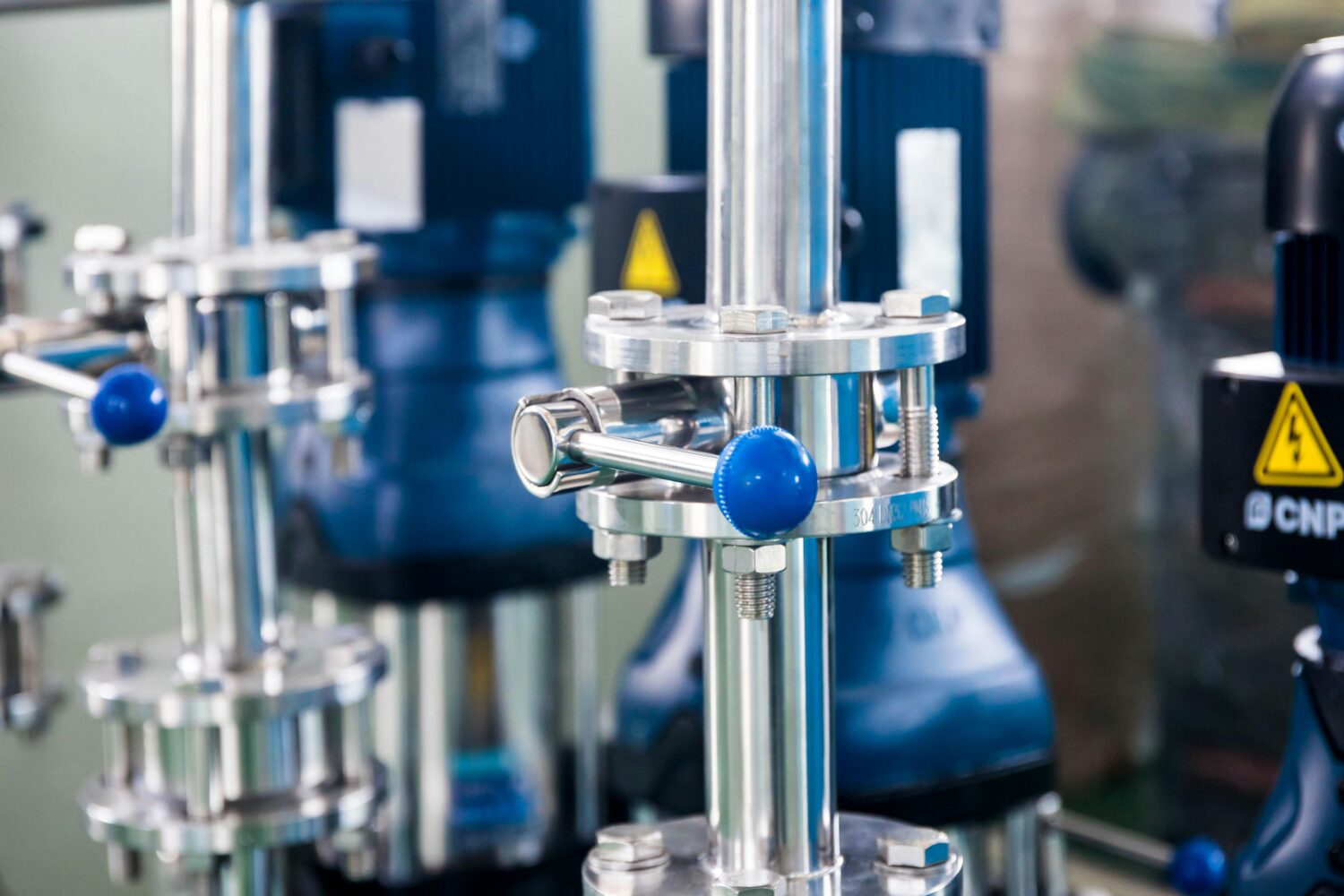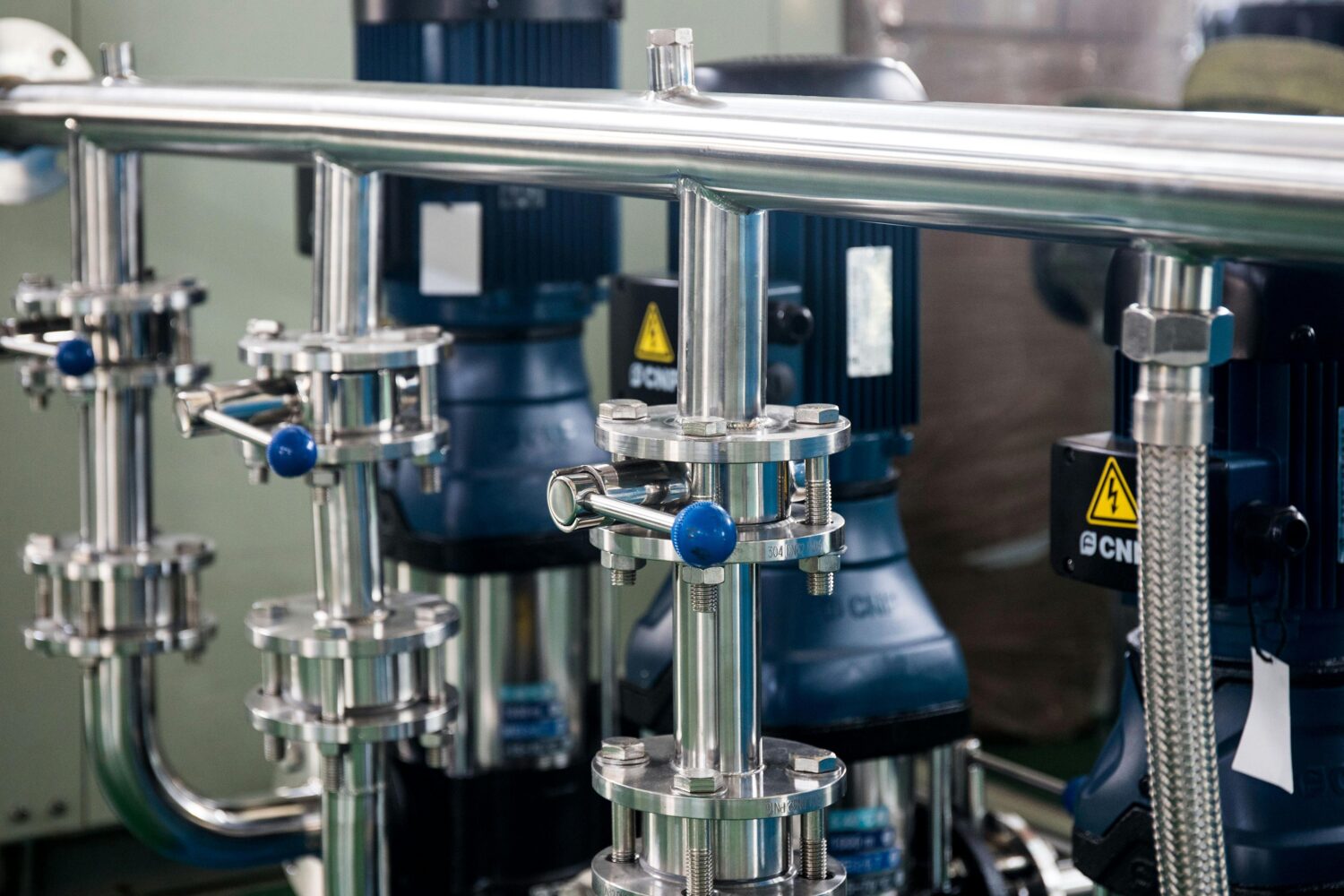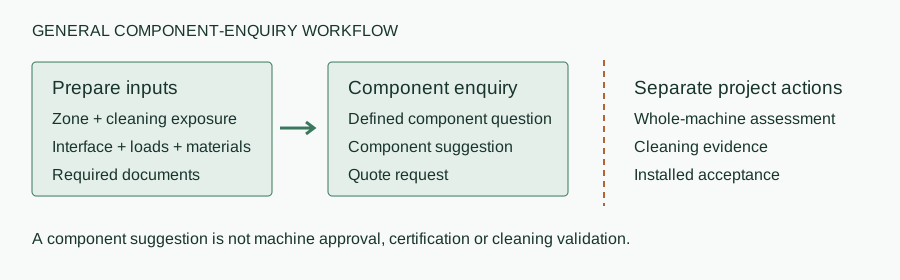
Hygienic and sanitary design is the set of practices and principles that keep environments, equipment and processes clean and safe: materials that are easy to clean, parts that are accessible for cleaning and maintenance, design features that minimise contamination, and compliance with hygiene standards. Applied to hygienic equipment, the question is not only whether a machine passes today, but whether it still can when cleaning, products and rules change. This guide covers how to build in that margin.
What makes equipment hygienic
Hygienic equipment combines four elements from the original article with the engineering detail behind them:
- Materials that are easy to clean: non-porous, smooth materials that do not harbour bacteria. EHEDG guidance refers to Ra ≤ 0.8 µm (average surface roughness) for product-contact surfaces.
- Accessibility: every part reachable for cleaning, inspection and maintenance, with easy disassembly where cleaning in place is not possible.
- Minimised contamination risk: sealed joints, smooth surfaces, no crevices (narrow gaps) or dead spaces (areas cleaning flow cannot reach), and self-draining shapes that shed liquid. Together they remove harbourage points, where microorganisms survive cleaning.
- Compliance with standards: in the EU, EN 1672-2 and EN ISO 14159 for machine hygiene and EC 1935/2004 for food-contact materials; in the US, FDA and USDA requirements and, for dairy, 3-A Sanitary Standards.
The requirements are strictest in the product-contact zone (surfaces the product touches or drains back from) and the splash zone (surfaces wetted by product or cleaning spray).
Why equipment hygiene matters by industry
| Industry | What hygienic design protects against | Typical cleaning | Future pressure |
|---|---|---|---|
| Food and beverage | Foodborne illness, shortened shelf life | Foam, high-pressure washdown, CIP | More allergen changeovers, stricter customer audits |
| Dairy | Microbial growth in wet, nutrient-rich residue | CIP, hot water | Higher cleaning temperatures and frequency |
| Pharmaceuticals | Contamination affecting product efficacy | Validated cleaning, CIP/COP | Tighter cleaning validation and documentation |
| Healthcare equipment | Infection transmission | Disinfection, wipe-down | Stronger disinfectants |
| Hospitality kitchens | Cross-contamination, guest safety | Manual cleaning | Allergen management |
CIP means cleaning in place without dismantling; COP means cleaning out of place after dismantling.
How hygienic design future-proofs a business
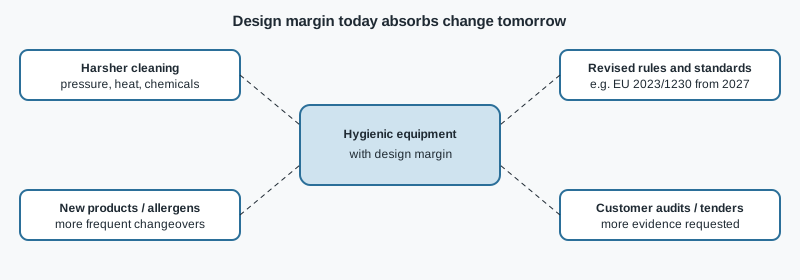
Equipment usually stays in service for many years, while the conditions around it change. Four changes recur.
Harsher cleaning
After a hygiene incident or a new customer requirement, plants often move to higher pressure, higher temperature or stronger chemicals. Equipment with exposed threads, open bearing housings or seals at their chemical limit then fails. Margin means: sealed, crevice-free components; ingress protection for hot high-pressure jets (IP69K, the ISO 20653 test; IEC 60529 calls it IPX9) where washdown may intensify, remembering that an IP rating is an ingress test and not a hygiene certificate.
Stronger or different chemicals
Chlorinated cleaners and acids attack materials. AISI 316L resists chloride pitting (local pits started by chlorides) better than 304. Seal elastomers differ: EPDM tolerates hot water and many alkaline cleaners but not fats and oils; FKM handles fats, oils and many acids; VMQ (silicone) covers a wide temperature range but has lower mechanical strength. Choose for the widest realistic chemical range, not just today's cleaner.
New products and allergen changeovers
Allergen changeover – cleaning between products to remove allergen residue – becomes more frequent as product ranges grow. Tool-free disassembly, few hidden surfaces and easy visual inspection shorten each changeover.
Revised rules, standards and audits
Regulations and standards are revised. In the EU, the Machinery Regulation (EU) 2023/1230 replaces the Machinery Directive from 20 January 2027. Customer audits also tend to ask for more evidence. Equipment with complete documentation – certificates for named designs, declarations of compliance, test reports – adapts without retrospective paperwork.
Benefits of hygienic and sanitary design
- Safety and health: lower contamination risk protects consumers and employees.
- Compliance: helps meet hygiene and safety regulations and reduces the risk of fines, recalls or shutdowns. It does not guarantee compliance on its own.
- Reputation: documented hygiene supports customer trust.
- Operational efficiency: cleaning and maintenance are easier, which can reduce downtime and cost.
- Resources: durable, easy-to-clean equipment can reduce water, chemicals and replacement parts over time. Measure the effect on your own line.
The COVID-19 pandemic showed how much continued operation depends on hygiene routines. Equipment design is one part of that; procedures and people are the others.
A future-proofing checklist for hygienic equipment
Use these steps when specifying new equipment or reviewing existing lines:
- Conduct a hygiene audit. Inspect equipment after a normal cleaning cycle and note where residue or water remains. See the transitioning into a hygienically optimized production for a phased approach.
- Define the worst realistic cleaning: pressure, temperature, chemicals and frequency over the equipment's life.
- Choose materials with margin: 316L where chlorides are likely; passivated after welding to restore the protective oxide layer; no mixed metals in wet areas, which invites galvanic corrosion.
- Choose seals for the chemical range, with food-contact declarations.
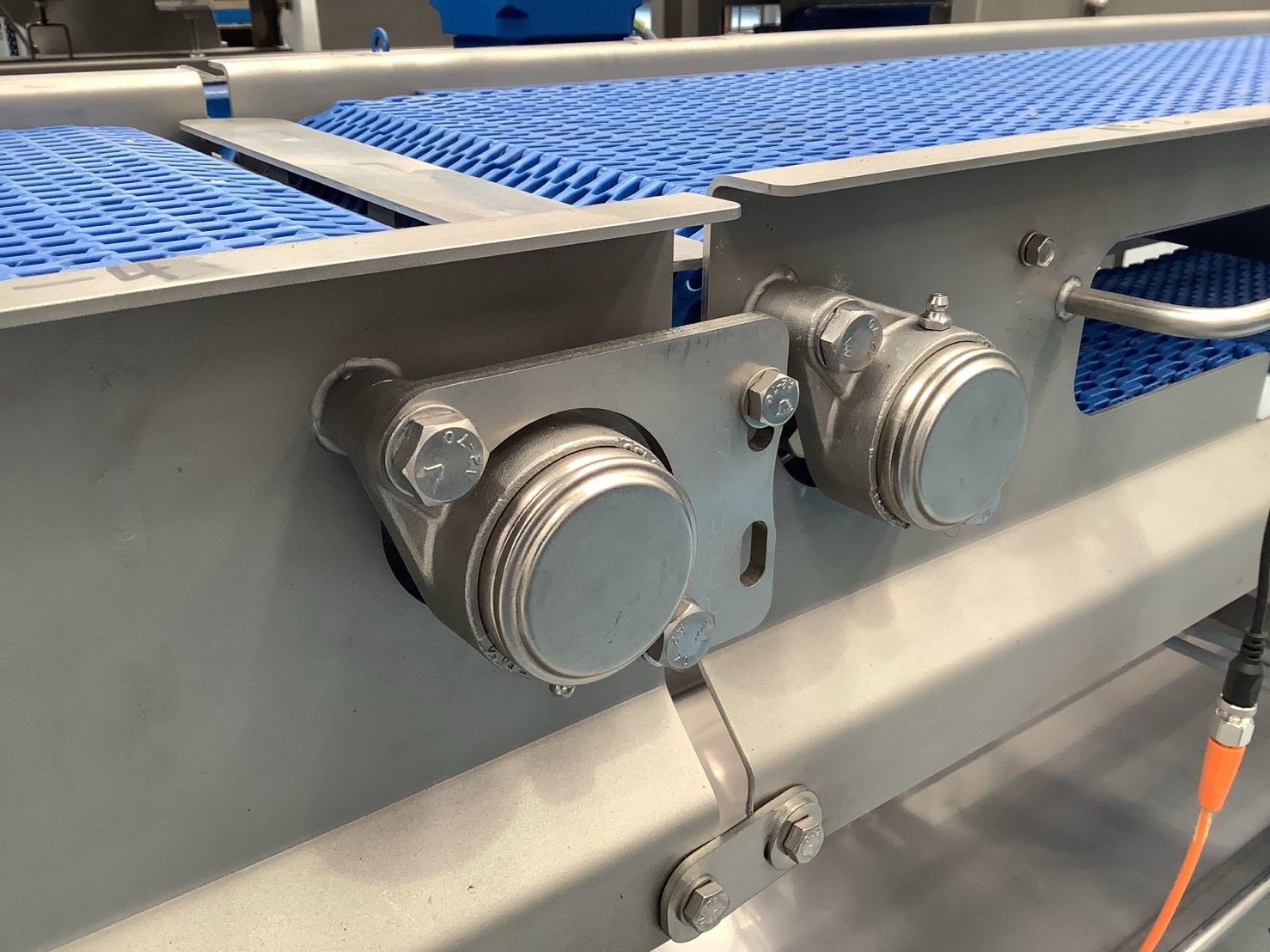
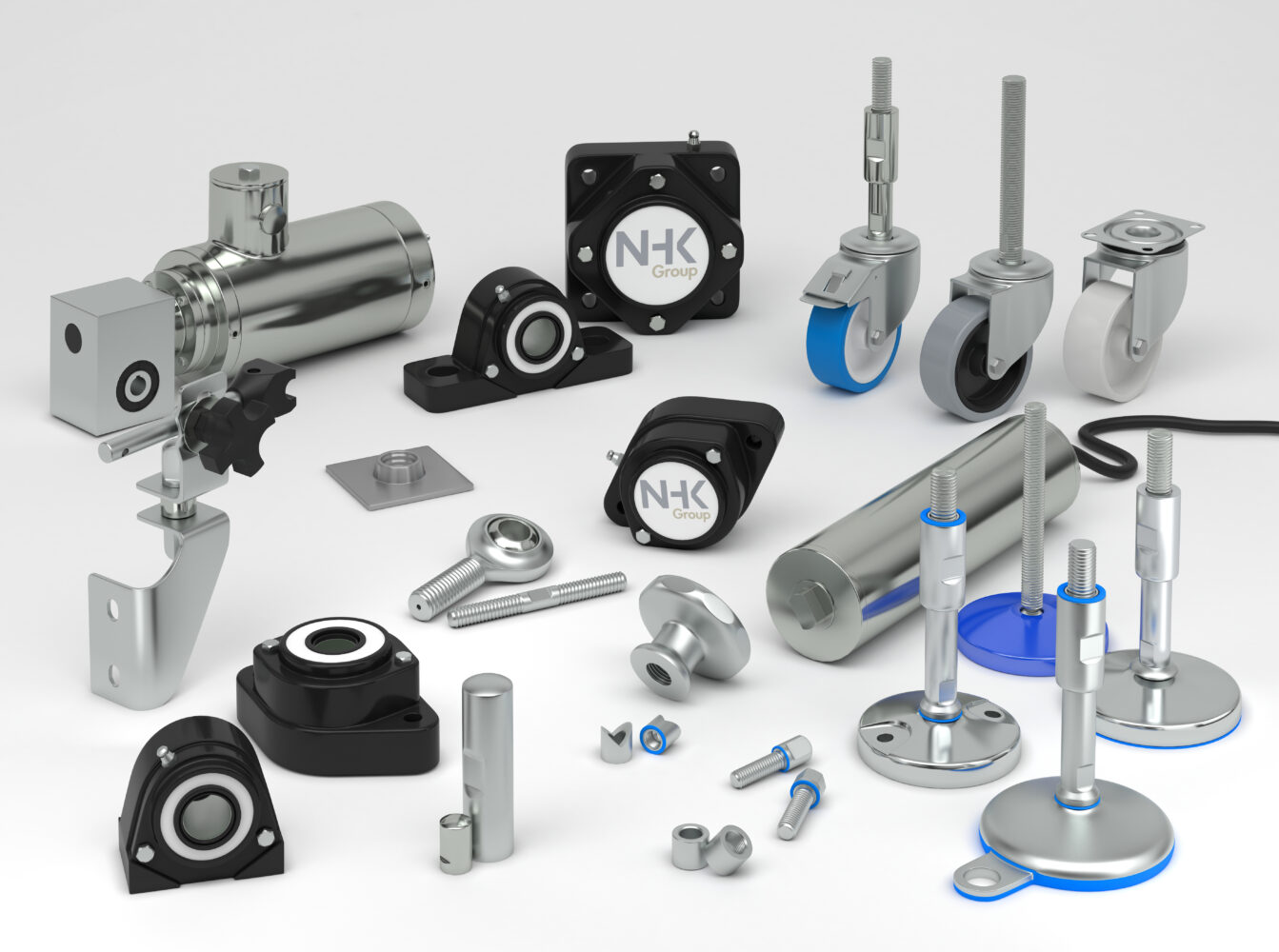
- Remove harbourage points in the splash zone: sealed levelling feet (leveling feet in US usage) without exposed threads, hygienic bolts, sealed bearing units, sloped frames.
- Design for changeover: tool-free removal of guards and guides, visible surfaces.
- Collect the documents: EHEDG certificates or 3-A authorisations for named designs where specified (both voluntary), declarations under EC 1935/2004 and EU 10/2011 for plastics, ingress test reports.
- Train staff and maintain: regular training in cleaning and inspection, and a maintenance schedule for seals, feet and bearings.
Example: specifying margin into a new line
Example – assumptions stated, not a real project. A food producer orders a new conveyor line today cleaned by foam and low-pressure rinse with an alkaline cleaner. The product plan includes allergen-containing products within a few years, and the plant's hygiene team expects to add a chlorinated sanitiser. The specification therefore asks for 316L in the splash zone, EPDM or FKM seals checked against both chemicals, sealed hygienic feet and bolts, bearing units with an ingress test for jets, tool-free side guides and a full document file. The extra cost is weighed against the cost of retrofitting the line later.
Failure modes to avoid
- Specifying for today's cleaning only – the first change forces a retrofit.
- Treating an IP rating as hygiene evidence.
- "Complies with all standards" without named documents.
- Ignoring documentation until an audit asks for it.
For the business case behind these choices, see hygienic design: a strategic competitive advantage.
Conclusion
Hygienic and sanitary design is a regulatory requirement and a long-term investment. Specify hygienic equipment with margin for harsher cleaning, wider chemical ranges, faster changeovers and stricter documentation, and it will keep protecting customers, employees and the business as conditions change.