Hygienic design – often called hygienic and sanitary design – is the set of principles and practices that make facilities, equipment and processes easy to clean, maintain and sanitise. In food processing, pharmaceuticals and healthcare it is required for compliance, but it becomes a strategic competitive advantage only when its effects are measured and fed into investment and sales decisions. This guide is written for engineering and management teams who need to make that case.
For when to decide on hygienic parts in a purchase – specification, design review, upgrade or breakdown – see the strategic importance of hygienic machine parts.
What hygienic and sanitary design means in practice
The design philosophy aims to prevent contamination, ensure product safety and support a healthy working environment. Its key elements:
- Smooth surfaces. EHEDG guidance refers to a surface roughness of Ra ≤ 0.8 µm (Ra = average roughness) for product-contact surfaces.
- Minimal crevices and dead spaces. Crevices are narrow gaps; dead spaces are areas cleaning flow cannot reach. Both become harbourage points, where microorganisms survive cleaning.
- Self-draining shapes that shed liquid instead of pooling it.
- Easy disassembly for cleaning and inspection.
- Materials that resist corrosion and cleaning chemicals, with a declaration of compliance for food-contact parts under EC 1935/2004.
These requirements apply most strictly in the product-contact zone (surfaces the product touches or drains back from) and the splash zone (surfaces wetted by product or cleaning spray).
How hygienic design creates strategic value
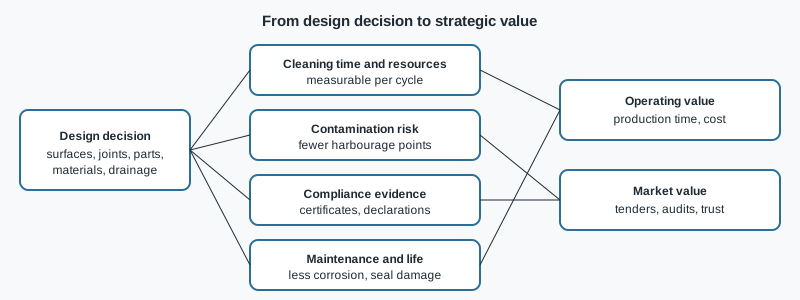
The value travels through four levers. The table shows each lever, how to measure it and what limits it.
| Value lever | Mechanism | How to measure | Limits and trade-offs |
|---|---|---|---|
| Regulatory compliance and risk | Cleanable design reduces the risk of non-compliance, recalls and legal liability | Audit findings, hygiene deviations, swab or ATP results | No design removes risk; procedures and training still matter |
| Product quality | Fewer contamination sources mean more consistent product | Microbiological results, complaints, shelf-life checks | Depends equally on raw materials and process control |
| Operational efficiency | Easier cleaning and maintenance cut downtime and labour; efficient cleaning can lower water and chemical use | Cleaning hours, water and chemical per cycle, downtime | Higher purchase cost; effect varies by line |
| Brand and differentiation | Documented hygiene supports trust and serves as a selling point in tenders | Tender requirements met, customer audit results | Only credible with evidence, not slogans |
The original article named brand reputation and consumer trust as benefits. They are real, but they follow from the first three levers and from evidence. For a machine builder, the most concrete differentiator is a documentation package customers can audit; for a plant, it is fewer hygiene deviations.
Building the business case: a method
Use your own data. Figures from other companies or other lines rarely transfer.
- Select the line or machine and define its zones and cleaning method: dry cleaning, foam, high-pressure washdown or CIP/COP (cleaning in place, or out of place after dismantling).
- Record the baseline for several cleaning cycles: cleaning hours, number of operators, water, chemical and energy use, and production time lost.
- Calculate annual cleaning cost: annual cleaning cost = cycles per year × (cleaning hours × operators × labour rate + water cost + chemical cost + energy cost + lost production time × margin per hour)
- Add maintenance driven by poor design: seal replacements, corrosion repairs, replacement of feet or bearings damaged by washdown.
- Estimate the change with the proposed design, ideally from a trial on one machine.
- Calculate payback: simple payback (years) = extra investment ÷ annual saving.
- Add the risk view separately: fewer harbourage points lower the likelihood of a contamination event. Treat this as a risk-reduction argument rather than forcing it into the payback figure.
For a detailed treatment of cleaning cost in total cost of ownership, see the importance of hygienic optimization.
Example: a fill-in business case
Example – all inputs are placeholders to replace with your own measurements, not results from a real plant. A packing line is cleaned daily by foam and rinse. The team records the baseline over ten cycles and fills in:
| Input | Baseline | After change |
|---|---|---|
| Cleaning hours per cycle | measured | measured on trial machine |
| Operators | measured | measured |
| Water, chemical, energy per cycle | metered | metered |
| Lost production per cycle | measured | measured |
| Design-related maintenance per year | from maintenance log | estimated |
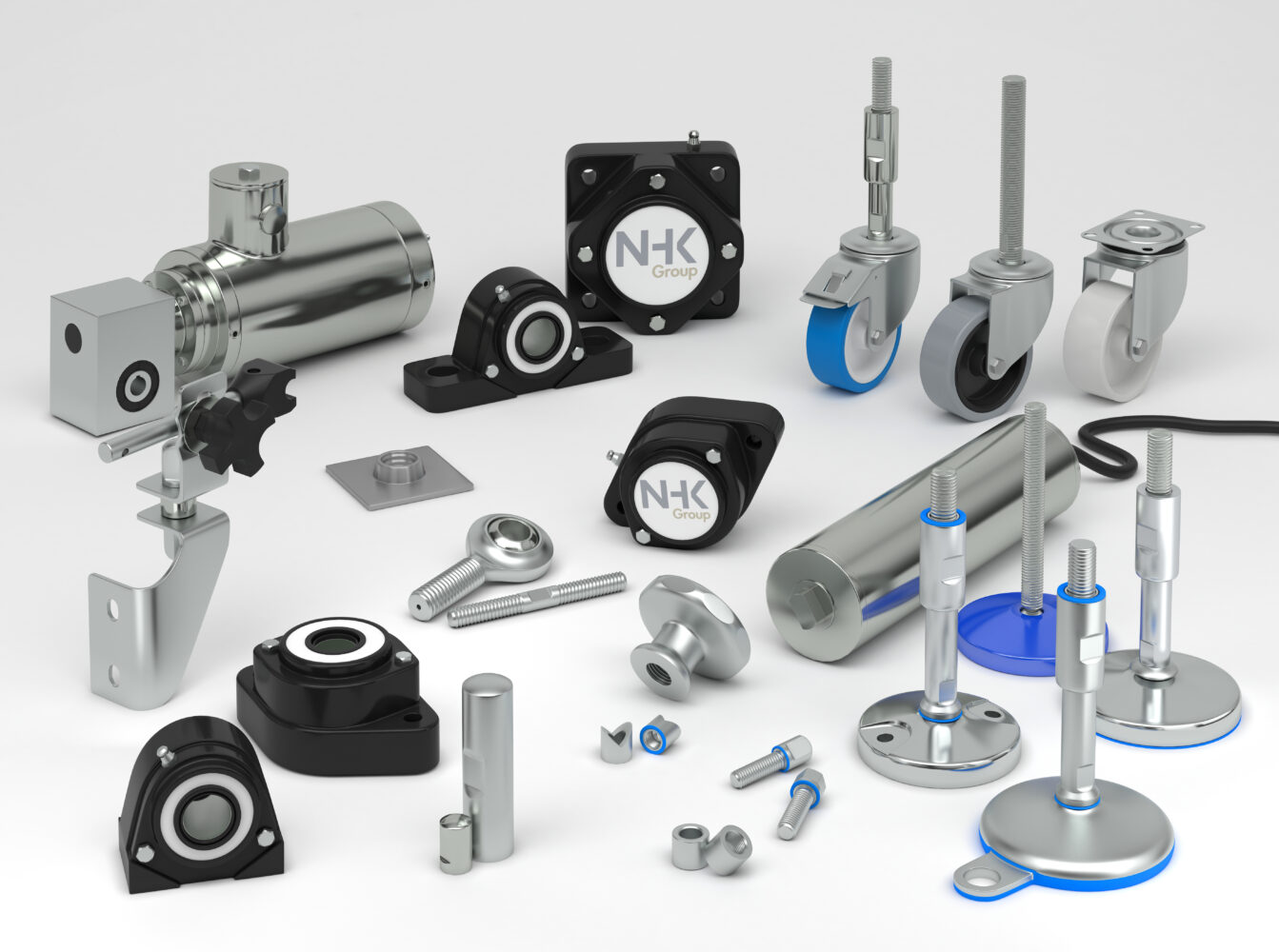
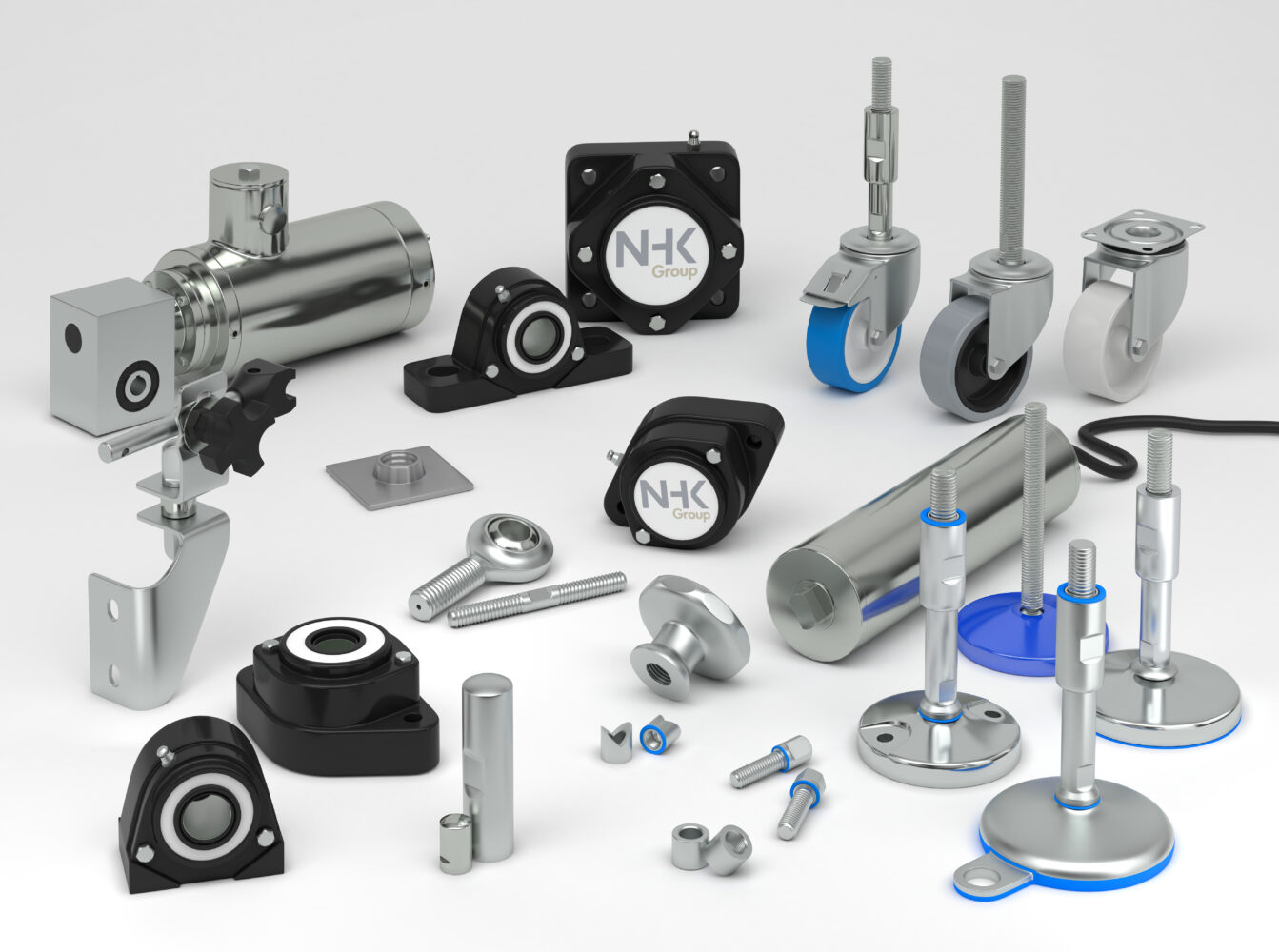
The change considered is replacing open-thread feet, hex bolts and open bearing housings in the splash zone with sealed, hygienically designed parts. The extra investment is the price difference plus installation time. If the annual saving from step 3 and step 4 is positive, payback follows from step 6. If it is small, the risk argument from step 7 may still justify the change – but it should be presented as risk reduction, not as savings.
Where to invest first
Prioritise by combining hygiene risk and cleaning effort:
- High risk, high effort: product-contact surfaces with poor finish, splash-zone components with exposed threads or gaps. Invest first.
- High risk, low effort: quick wins such as sealed feet and hygienic bolts. Do now.
- Low risk, high effort: frame redesign in non-contact areas. Plan with the next rebuild.
- Low risk, low effort: leave until other priorities are met.
Component choice by zone is covered in competitive advantage by optimized hygienic design.
Using hygienic design as differentiation
A selling point only works if it can be checked. Credible evidence includes:
- EHEDG certificates or 3-A Symbol authorisations for the specific designs used. Both are voluntary and certify designs, not companies.
- Declarations of compliance for food-contact materials (EC 1935/2004; EU 10/2011 for plastics).
- Design documentation showing conformity with EN 1672-2 and EN ISO 14159.
- Cleaning trial results under the customer's actual conditions.
Large food, pharmaceutical and medical-device companies are often cited as examples of hygienic design leadership. Their internal standards are not public in detail, so this guide does not rely on them; your own documented results are more persuasive to your customers.
Failure modes to avoid
- Claiming savings without a baseline – the business case collapses at the first question.
- Using "certified" for parts without a certificate for that design.
- Investing only in components while frames still have ledges and lap joints.
- Ignoring chemicals – stainless steel suffers chloride pitting (local pits started by chlorides) in some cleaners, and seals can swell; choose 316L and compatible elastomers (EPDM, FKM, VMQ) where needed.
- Treating hygiene as marketing only – without design reviews, the advantage disappears.
For building margin into equipment for future cleaning, product and regulatory changes, see hygienic and sanitary design: future-proof your hygienic equipment.
Conclusion
Hygienic design is a regulatory requirement and, when measured and documented, a strategic competitive advantage. Measure cleaning and maintenance, prioritise investment where risk and effort meet, and present evidence rather than claims.