Poultry processing is the conversion of live birds into chilled or frozen meat products through stunning, defeathering, evisceration, chilling, cutting, deboning and packing. Two long-running trends now shape how those lines are designed: birds are getting larger, and lines are running faster. This guide explains what each trend does to equipment, hygiene and people, and how engineers can check whether an existing line can absorb the change.
Why birds are getting larger
Demand for cost-effective protein has pushed production towards larger birds, which give more meat per animal and lower cost per kilogram. For a processing line, that creates three problems:
- Equipment compatibility – machines set up for smaller birds may handle larger ones poorly, causing inefficiency, product damage and component wear.
- Worker safety – handling heavier birds raises the risk of strain injuries, so ergonomics must be reconsidered.
- Quality – consistent cuts and proper chilling are harder with larger, thicker carcasses.
Why line speeds are increasing
To meet production demand, plants run lines faster. Output rises, but so do the difficulties:
- Precision – less time per bird makes uniform cuts and consistent processing harder.
- Worker safety – faster, repetitive work increases accident and ergonomic risk.
- Regulatory compliance – inspection, trimming and food-safety controls must keep pace with the line.
What bigger birds and faster lines do to equipment
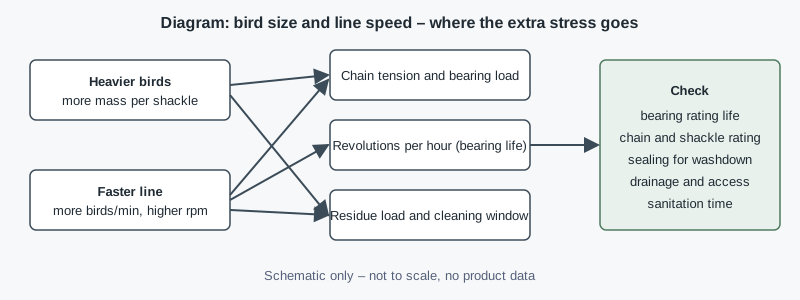
The two trends compound. Heavier birds add load; faster lines add revolutions and shorten the time available for cleaning. The table shows where each lands.
| Area | Effect of larger birds | Effect of faster lines | What to check |
|---|---|---|---|
| Overhead shackle line | Higher load per shackle and chain tension | More shackles per minute past each sprocket | Chain, shackle and track ratings; drive power |
| Bearing units | Higher radial load | More revolutions per hour | Rating life in hours; sealing for washdown |
| Belt conveyors | Higher belt and roller load | Higher belt speed, more product transfer points | Belt rating, roller bearings, transfer design |
| Cutting and deboning | Size outside machine setting range | Less time per cut | Adjustment range, yield and trim rates |
| Chilling | Thicker carcasses chill slower | Higher throughput per hour | Chiller capacity and core temperature |
| Sanitation | More fat and protein residue | More residue per shift, same cleaning window | Crevice-free design, access, drainage |
Bearing life: a quick check
Bearing rating life (ISO 281) is the number of revolutions 90 % of identical bearings reach before fatigue. For ball bearings, L10 = (C/P)³ million revolutions, where C is the dynamic load rating and P the equivalent dynamic load. In hours, L10h = L10 × 10⁶ ÷ (60 × n), with n in rpm. Two consequences follow directly:
- Life in hours is inversely proportional to speed: run 25 % faster and the same bearing lasts 1/1.25 = 80 % of the hours.
- Life is proportional to the cube of the load ratio: 15 % more load gives 1/1.15³ ≈ 66 % of the life.
These are calculation results, not product data. Real life in a washdown zone is often limited by water ingress and lubricant washout long before fatigue, which is why sealing and the cleaning method matter as much as the rating. Housing choice is covered in the pillow block bearing guide.
Example
Assumptions (illustrative only): a conveyor drive bearing on a line where average bird weight rises so that bearing load P increases by 15 %, while line speed rises by 20 %. The original calculated life was adequate with margin.
- Load effect: 1/1.15³ ≈ 0.66.
- Speed effect: 1/1.20 ≈ 0.83.
- Combined: 0.66 × 0.83 ≈ 0.55 – the calculated life in hours roughly halves.
- Decision: if the original calculation already had a large margin, plan a shorter replacement interval; if not, select a bearing with a higher load rating and confirm the shaft, housing and seals suit high-pressure washdown.
Equipment for larger birds
- Adjustable cutting machines – adjustable settings maintain precise cuts across varying bird sizes; check the adjustment range against the new weight distribution, not just the average.
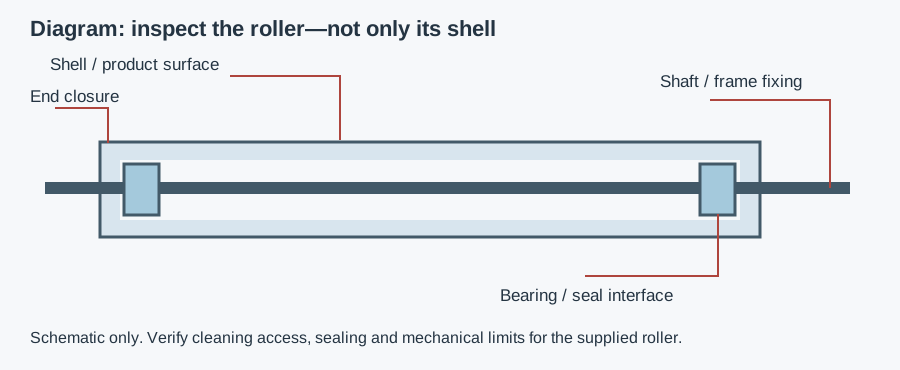
- Heavy-duty conveyors – conveyors and shackle lines designed for the weight and size of larger birds without losing speed. Upgrades often reach bearings, sprockets, shafts and frame supports, not only the belt or chain.
- Updated stunning systems – stunning and handling sized for heavier birds supports humane handling and compliance with animal welfare rules.
Automation for faster line speeds
- Robotic cutting arms give consistent cuts, which reduces waste and improves yield.
- Automated deboning machines handle larger birds at high speed while maintaining product quality, provided they are set for the size range. Designing equipment that adjusts quickly is covered in designing adaptable machinery for poultry processing.
- Smart sorting systems grade and route product, improving throughput and reducing manual labour.
Automation adds moving parts, sensors and cables to wet zones, each of which must be cleanable. For a station-by-station decision between manual, automated and hybrid work, see manual labour vs automation in poultry processing.
Food safety at higher weight and speed
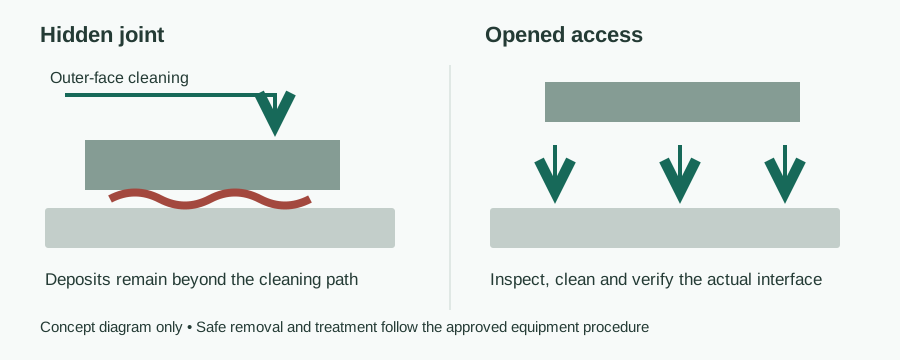
- Sanitation – regular cleaning schedules and automated cleaning systems reduce contamination risk. Equipment design decides how fast cleaning can be: avoid harbourage points (places where residue and bacteria survive cleaning), crevices and dead spaces; prefer sealed, self-draining surfaces that shed water and fat.
- Real-time monitoring – sensors on critical control points, such as chiller temperatures, give continuous records instead of spot checks.
- Chilling – larger birds need effective chilling to keep product fresh and limit bacterial growth; confirm core temperature at the new size and throughput.
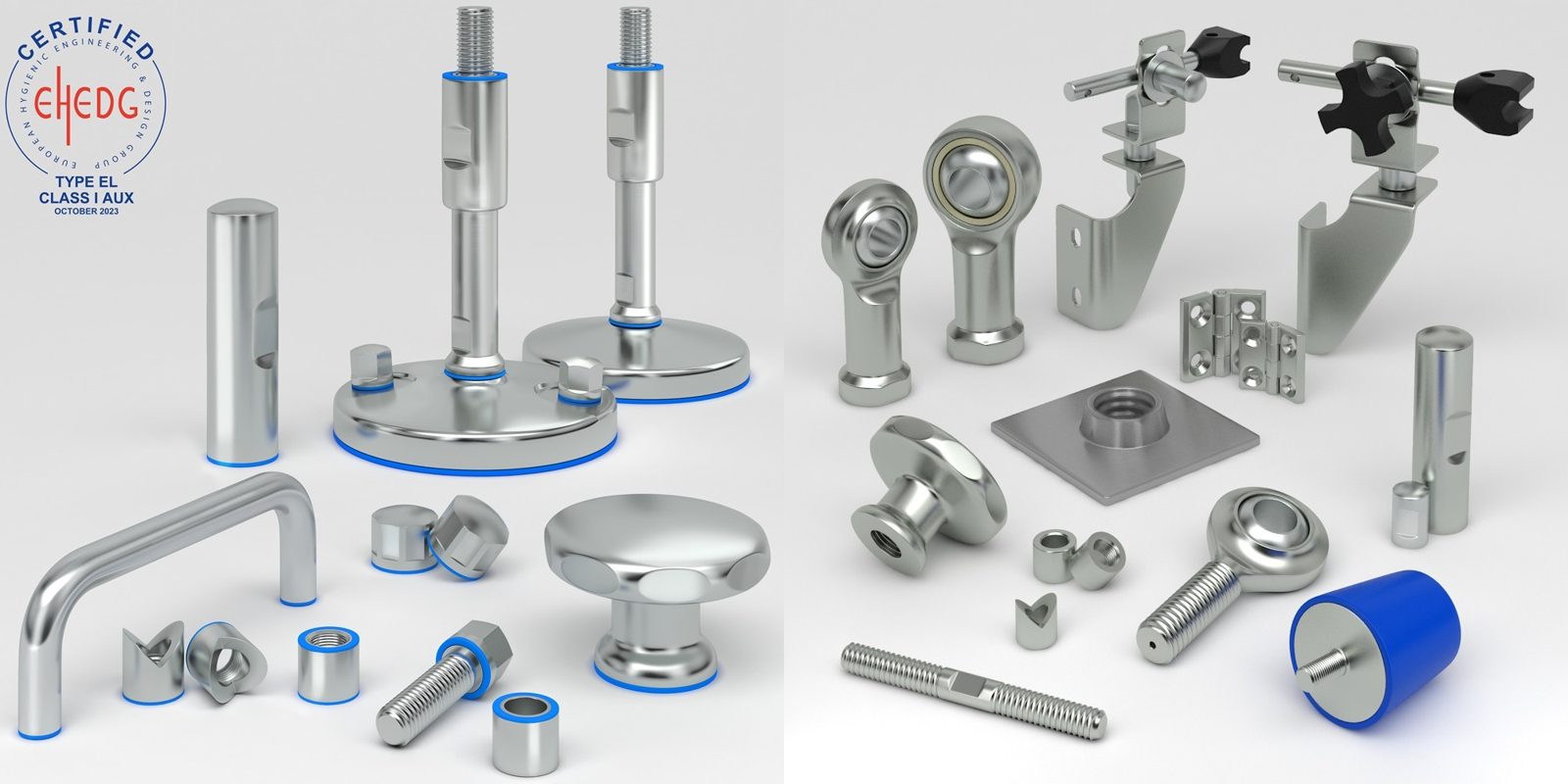
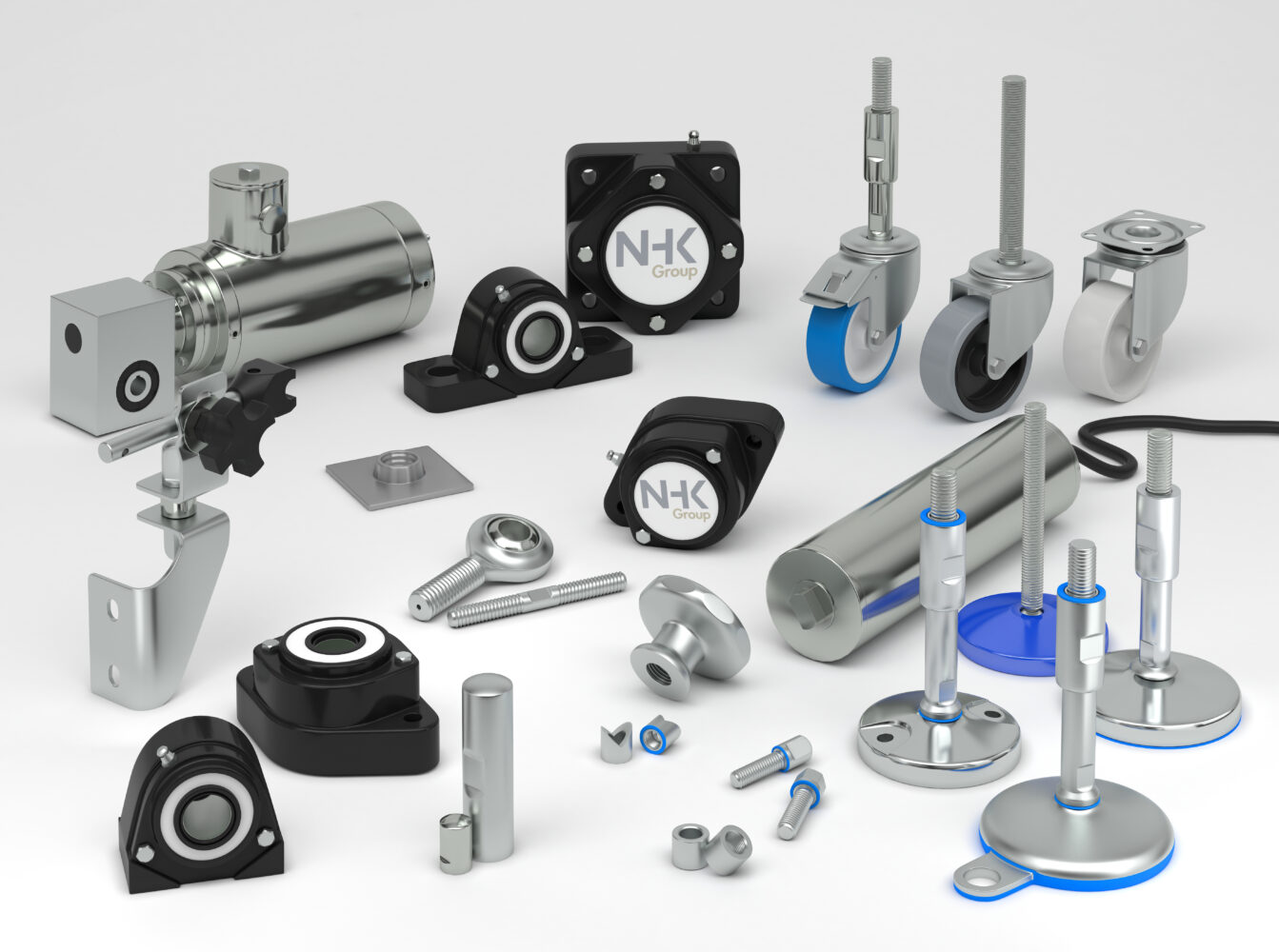
Poultry plants use frequent high-pressure washdown with alkaline and chlorinated agents. Components in the splash zone – the area hit by spray and product splashes but not in direct product contact – need stainless steel suited to chlorides, seal materials compatible with fats and chemicals, and no exposed threads.
Worker safety and ergonomics
- Ergonomic workstations – height-adjustable stations reduce strain when bird size changes.
- Training – workers must be trained on new equipment and faster operation.
- Protective gear – suitable cut-resistant and protective equipment reduces injury risk.
Sustainability: energy, water and waste
Energy-efficient drives and equipment reduce operating cost and environmental impact. Automated cutting and sorting can reduce meat and by-product waste. Chilling and cleaning systems designed for lower water use help, but only if cleaning results are still verified – saving water by under-cleaning is a food-safety risk.
A check method before increasing weight or speed
- Record the new bird weight range and target line speed.
- Recalculate loads on shackles, chains, conveyors and drives.
- Recalculate bearing rating life at the new load and speed.
- Confirm cutting, deboning and sorting equipment covers the new size range.
- Check chiller capacity and core temperature at the new throughput.
- Reassess sanitation time, access and components that collect residue.
- Reassess ergonomic risk at each manual station.
- Trial at the new settings and compare wear, yield and hygiene results.
Collaboration between equipment builders, processors and regulators remains the practical route to making these changes safely.