An original equipment manufacturer (OEM) in poultry processing is a company that designs and builds the machines processors use – for stunning, evisceration, chilling, cutting, deboning, further processing and packing. Demand for safe, high-quality and affordable poultry keeps the sector moving, and OEMs compete on innovation, planning and understanding of processors' needs. This guide turns the usual strategy list into engineering decisions an OEM can act on.
What processors expect from an OEM
Processors buy uptime, food safety and predictable cost, not features. In practice they judge equipment on five questions: does it hold quality at our line speed, how long does it take to clean, does it meet the rules in our market, can it be adapted when our product mix changes, and how quickly can it be repaired? Every strategy below answers one of them.
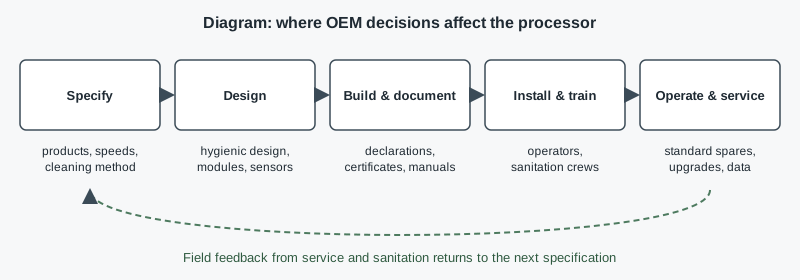
Strategy to design decision
| Strategy | Design decision | How the processor benefits | Evidence to supply |
|---|---|---|---|
| Automation and robotics | Automate deboning, cutting and packing where variation and labour risk are highest | Consistent cuts, less manual strain | Yield and uptime data from trials |
| Data-driven equipment | Planned sensor positions, open interfaces to the plant's systems | Condition monitoring, waste tracking | Signal list, data format |
| Hygienic design | Crevice-free, self-draining construction; sealed components | Shorter, more reliable cleaning | Design basis, certificates for specific designs, declarations of compliance |
| Regulatory compliance | Design to the target markets' machinery and food-contact rules | Faster approval and installation | Technical file, conformity documents |
| Sustainability | Lower water, chemical and energy use; durable, recyclable materials | Lower operating cost | Consumption figures measured on the machine |
| Customisation and modularity | Defined module interfaces, reserved capacity | Scale up or change products without replacement | Upgrade paths |
| After-sales support | Standardised components, spare-parts lists, training | Short repairs, fewer errors | Parts lists, manuals, training records |
Embrace technology where it measurably helps
Automation and robotics
Automation and robotics improve efficiency and reduce human error in deboning, cutting and packing, giving more precise and consistent results. In poultry the main difficulty is natural variation in bird size and shape, so automated cells need measurement, adjustment range and fallback to manual handling. For deciding station by station, see manual labour vs automation in poultry processing.
Data-driven solutions
IoT (Internet of Things) sensors allow real-time monitoring, helping processors reduce waste, track equipment health and improve efficiency. Demand for predictive maintenance and performance tracking is growing. For the OEM this means deciding early which signals matter, where sensors sit without creating crevices, and how data reaches the processor's systems.
Design for hygiene and safety
Hygienic design
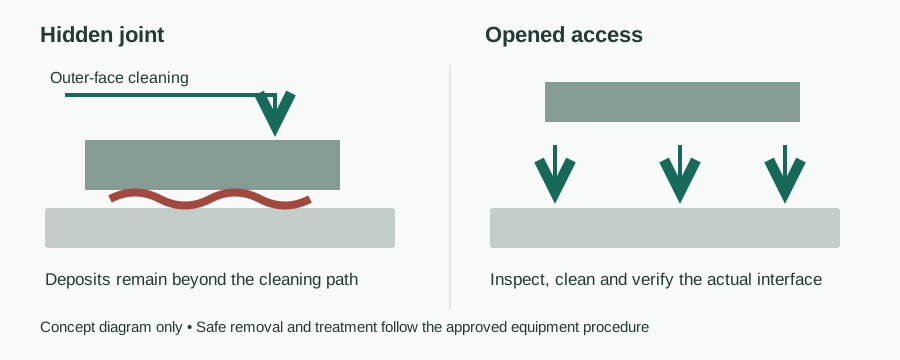
Contamination in poultry processing compromises product safety and quality, and the main pathogens of concern – such as Salmonella and Campylobacter – survive in residue left in the wrong places. Equipment needs easy-to-clean surfaces, minimal crevices (narrow gaps that trap residue) and no dead spaces where water and product stand. Self-draining surfaces slope so cleaning water runs off.
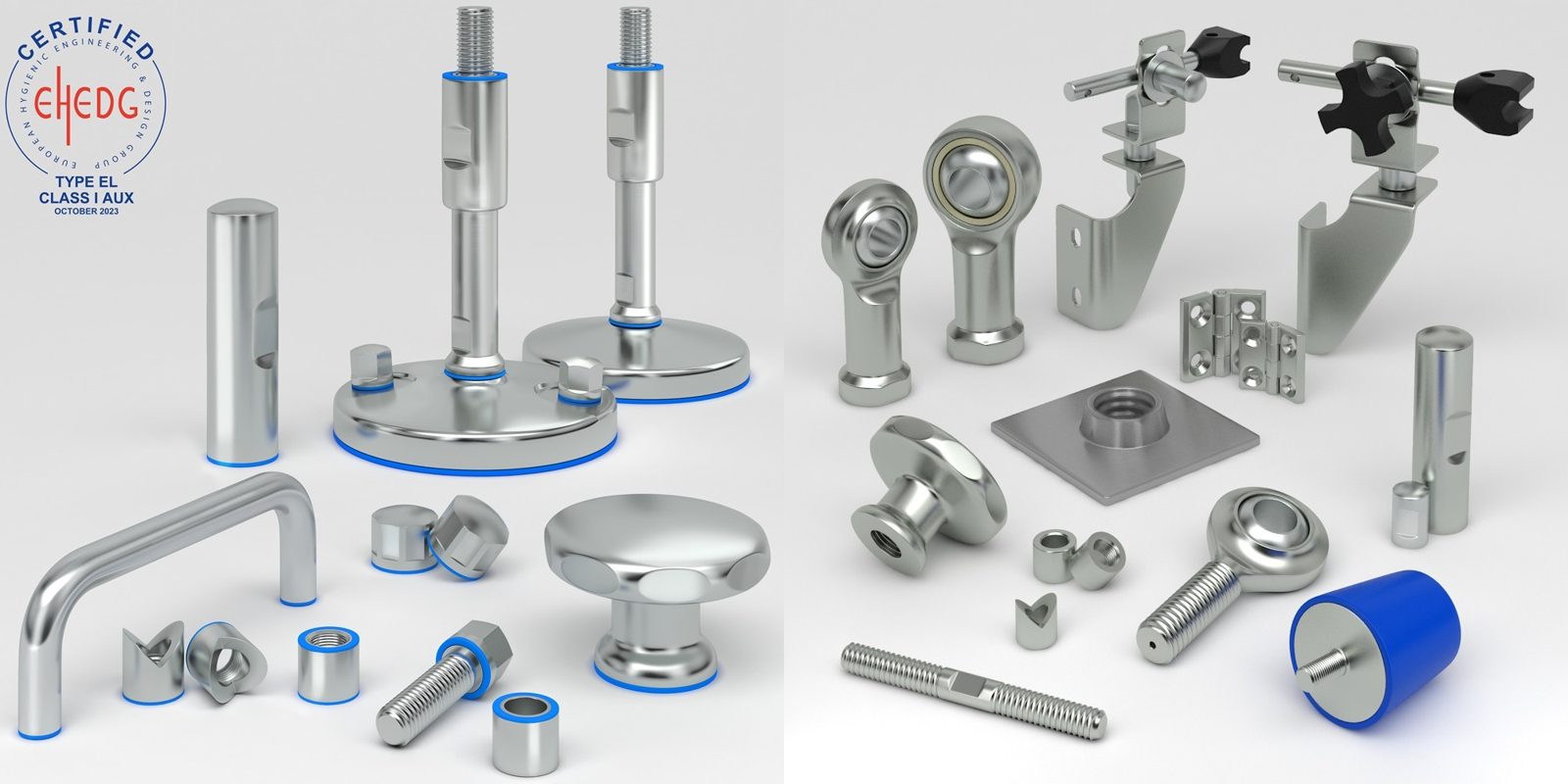
Be precise about evidence. EHEDG certifies specific equipment designs, not materials or companies; NSF and 3-A run their own voluntary programmes. Product-contact materials must comply with EC 1935/2004, documented by a declaration of compliance. Writing "certified" about a whole machine when only some components hold certificates undermines trust with QA buyers. How to quantify hygienic design for buyers is covered in hygienic design principles drive competitiveness. Background: the difference between 3-A and EHEDG.
Regulatory compliance
Regulations are becoming stricter and differ by region. Equipment sold in several markets must meet each market's machinery, electrical and food-contact rules. Designing to the strictest applicable requirement from the start is usually cheaper than adapting a machine per market.
Washdown reality
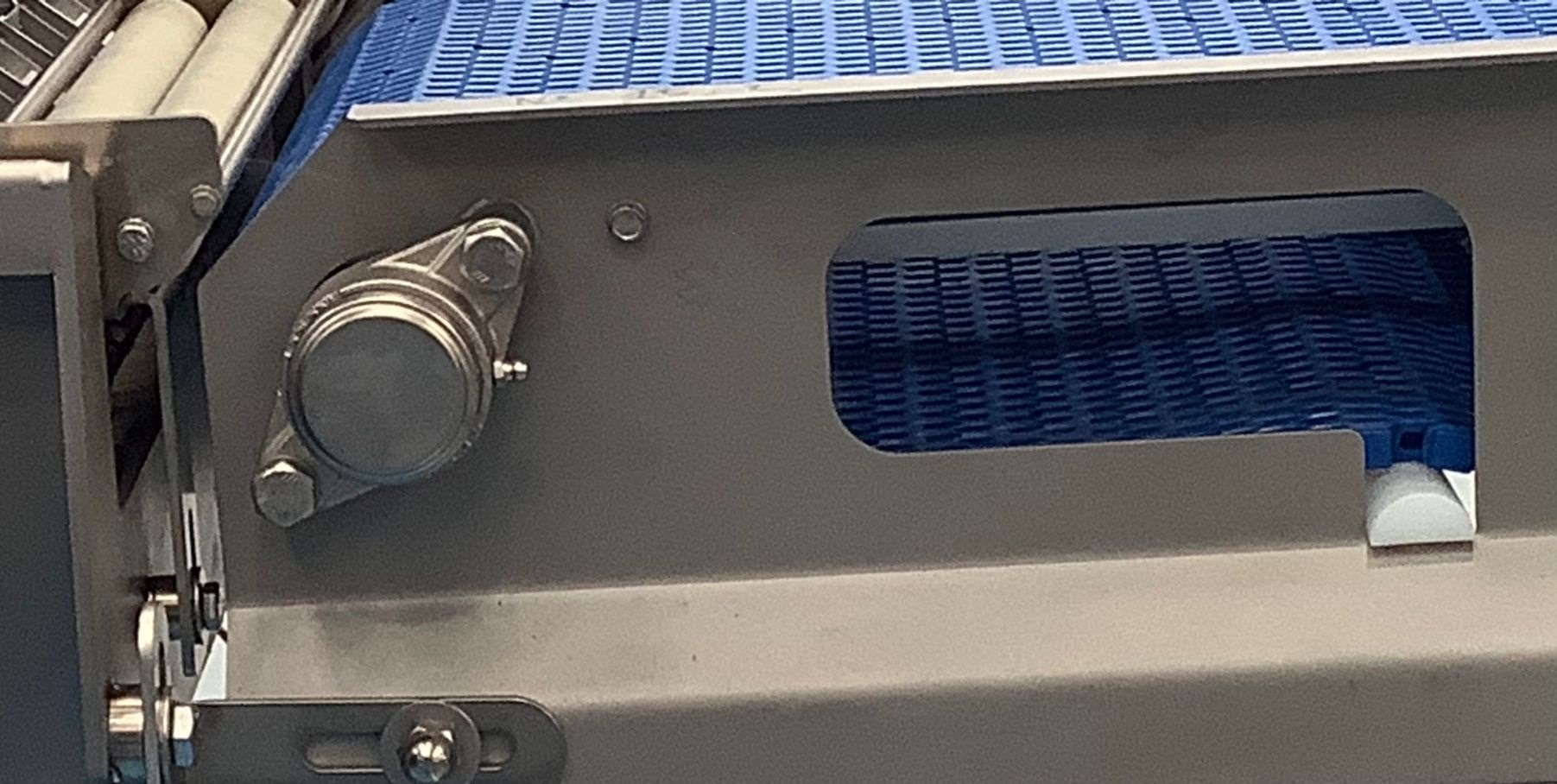
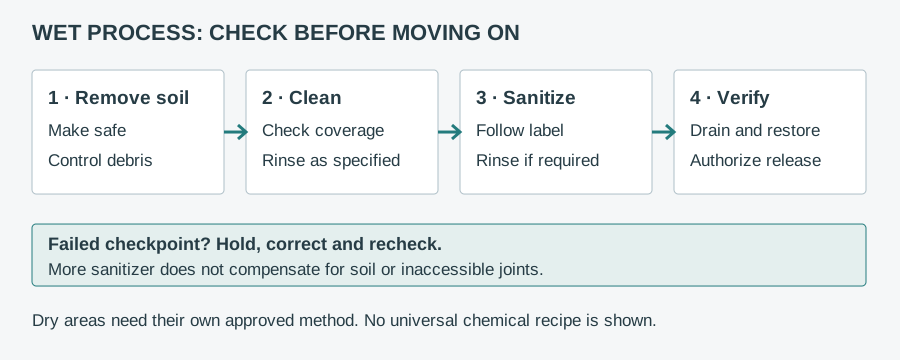
Poultry plants typically clean daily with foam and high-pressure washdown using alkaline and chlorinated agents. Components in the splash zone – areas hit by spray but not in product contact – need sealed bearing units, crevice-free fasteners and feet without exposed threads. Stainless steel grade matters: AISI 316L resists chloride pitting (localised corrosion caused by chlorides) better than AISI 304 where residues remain on surfaces.
Prioritise sustainability in use
The largest environmental effect of processing equipment is usually what it consumes during its life, not how it is built. Reducing cleaning water and chemicals, using energy-saving motors and drives, and cutting product waste all lower a plant's footprint and its operating cost. Durable, repairable designs and recyclable materials such as stainless steel support longer service life. State consumption figures only when measured on the machine.
Offer customisation and modular solutions
Plants vary widely in size and capacity. Modular machines let processors scale or adapt without replacement, and plug-and-play modules simplify installation, reduce downtime and make upgrades easier. The engineering condition is that every module interface stays cleanable. See designing adaptable machinery for poultry processing.
Invest in after-sales support and training
Service and spare parts
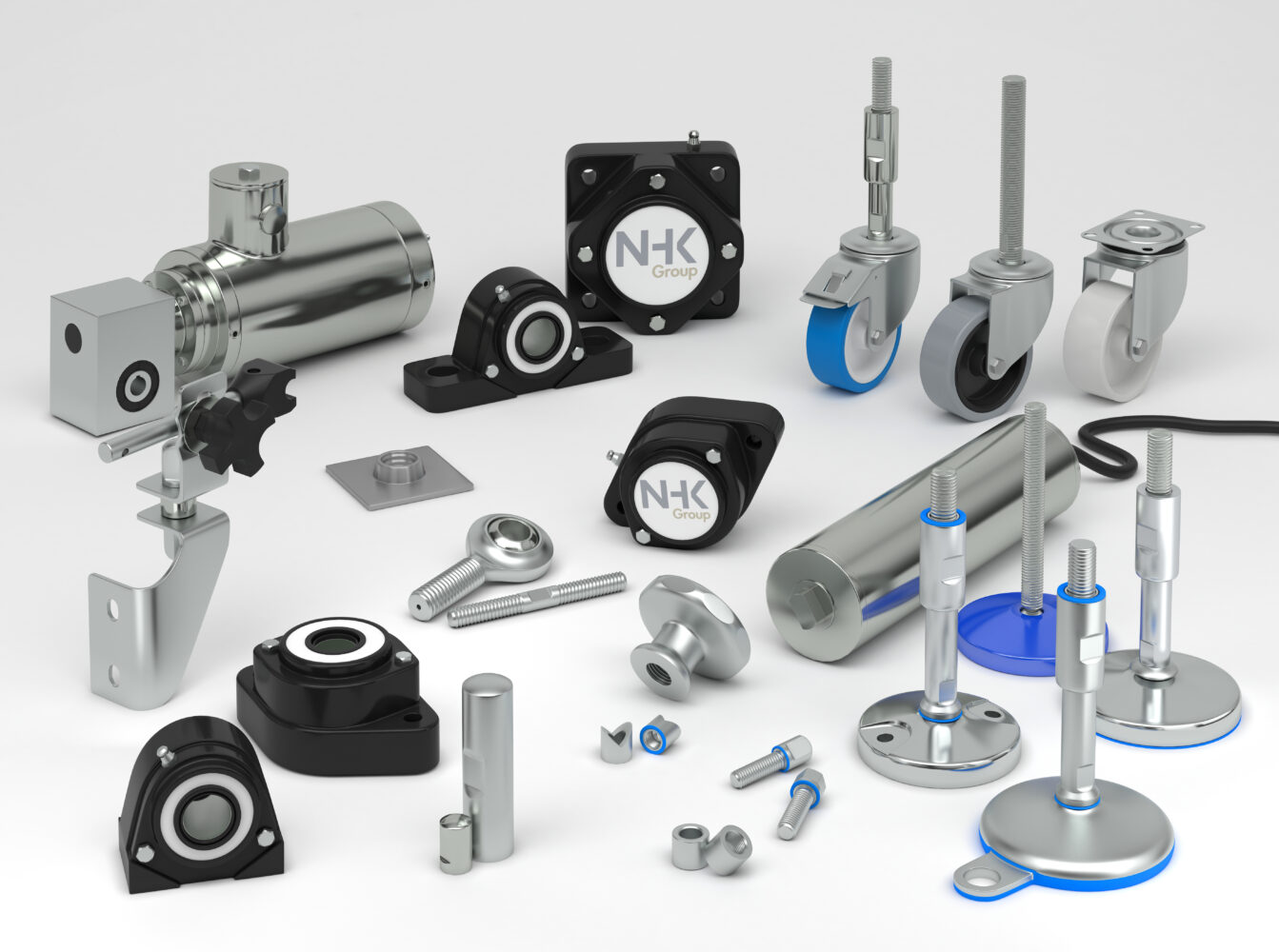
Reliable after-sales support strongly influences purchasing. Maintenance services, spare parts and training keep machines performing as designed. Standardised, widely available components – bearing units, levelling feet, fasteners, seals – reduce the number of spare-part types processors must stock and shorten repairs.
Operator and sanitation training
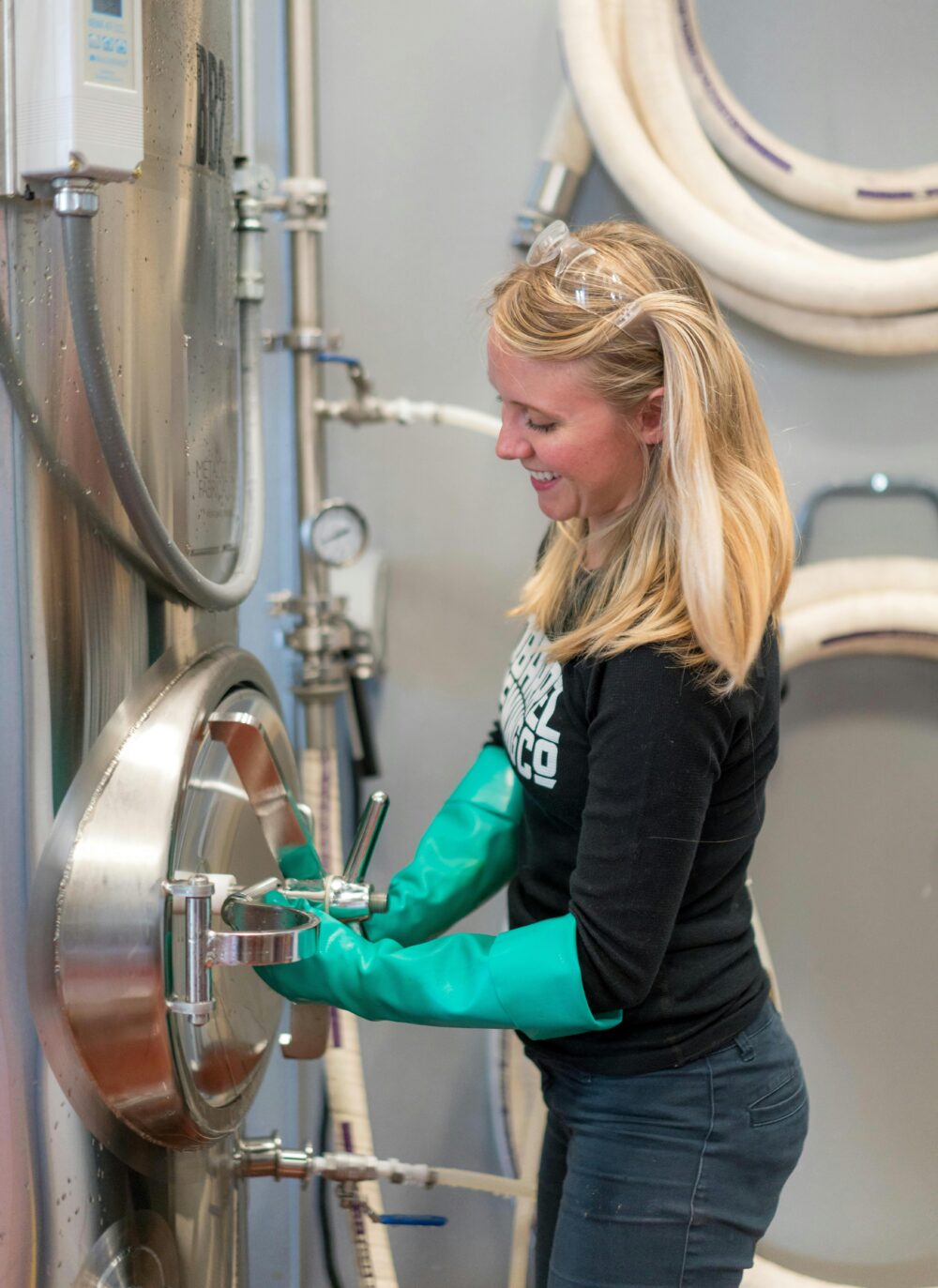
Training operators helps processors get full use of equipment and strengthens the relationship with the OEM. Include sanitation crews: they dismantle, clean and reassemble the machine more often than anyone. Workshops and knowledge-sharing turn their feedback into design improvements.
Build knowledge and partnerships
Processors research equipment online before contacting suppliers. Useful technical content – guides, whitepapers, real application data and video instructions – builds trust more effectively than promotional claims. Partnerships with processors, industry associations and component suppliers lead to co-developed solutions for real problems.
Anticipate future trends
- Secondary processing – demand for value-added products such as marinated or pre-cooked items is rising, requiring automated, precise further-processing equipment with allergen changeover in mind (cleaning between products that contain different allergens).
- Sustainable packaging – OEMs can integrate packaging solutions or collaborate with packaging technology providers that run recyclable materials.
OEM checklist for a new poultry machine
- Define the product range, bird weights, line speed and cleaning method with the processor.
- Choose the hygienic design basis and target markets' regulations.
- Decide what to automate and where manual fallback is needed.
- Plan sensor positions and data interfaces.
- Select standardised hygienic components and record certificates and declarations per component.
- Reserve capacity and interfaces for future modules.
- Prepare manuals, spare-parts lists and cleaning instructions.
- Train operators and sanitation crews at installation.
- Collect field feedback and feed it into the next design.