Sustainable practices in the supply chain are the ways a company reduces the environmental and social impact of everything it buys, makes, moves and disposes of – not just what happens on its own site. They are becoming crucial because pressure from customers, regulators and investors is moving upstream: a food brand asks its processor, the processor asks its machine builder, and the machine builder asks its component suppliers. This article explains the five drivers and what they mean in practice for people who specify and buy machinery components.
Five drivers pushing sustainability down the supply chain
| Driver | What is changing | What reaches a machinery component buyer |
|---|---|---|
| Customer demand | Retailers and brand owners ask for supply-chain impact data | Supplier questionnaires, requests for material and origin data |
| Regulation | Frameworks such as the EU Green Deal and national emissions and waste rules widen reporting duties | Requests for documentation that supports the customer's reporting |
| Cost and efficiency | Energy, water, chemicals and waste are measured costs | Interest in parts that reduce cleaning time and replacements |
| Risk management | Resource scarcity and rule changes can disrupt supply | Preference for traceable materials and second sources |
| Reputation and finance | Investors and lenders screen environmental performance | Requests for evidence, not slogans |
Customer demand
Consumers are better informed about the environmental impact of what they buy, and part of the market will pay more for products with a credible environmental story. Retailers and brand owners respond by asking their suppliers for data – which eventually turns into questions to equipment and component suppliers.
Regulatory pressure
Governments are tightening environmental rules. The European Union's Green Deal and the U.S. Environmental Protection Agency's policies on emissions and waste are examples of frameworks that make companies look at their chain from raw material extraction to end-of-life product management. Compliance is less about avoiding fines and more about keeping a licence to operate.
Cost savings and efficiency
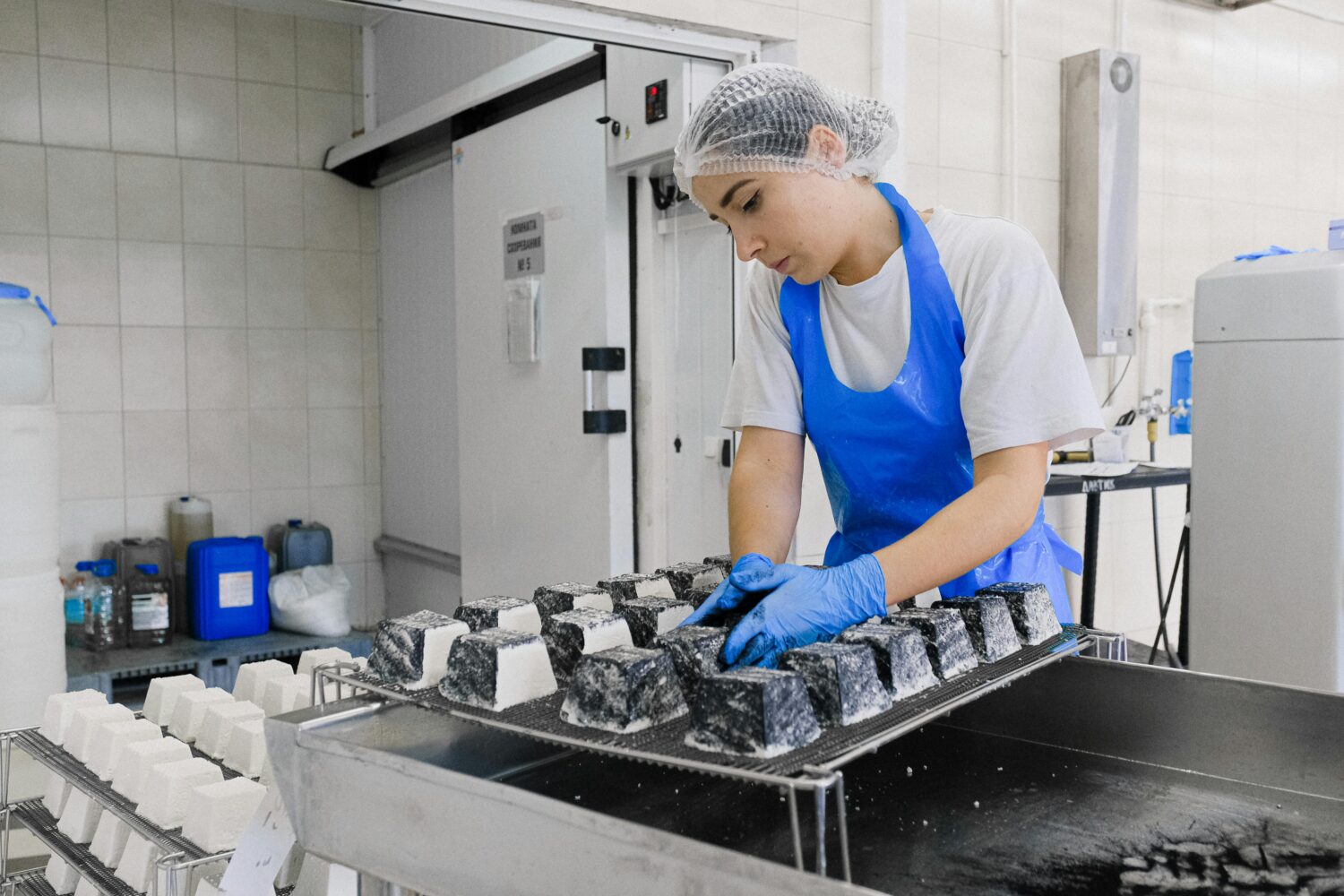
Energy-efficient processes and waste reduction lower operating costs over time, and route optimisation and lighter packaging can lower shipping costs. In food and pharma plants, cleaning is often one of the largest recurring uses of water, chemicals and energy, which is why it deserves attention first.
Risk management
Supply chains that rely on unsustainable practices are exposed to rule changes, resource scarcity and shifts in customer preference. Sourcing from suppliers who can document material origin and process reduces the risk of a sudden disruption or a failed customer audit.
Brand reputation and innovation
Credible sustainability work can strengthen a company's position with customers and investors, and the search for lower-impact materials, technologies and processes drives innovation and new product lines. The word "credible" matters: unsupported claims increasingly attract scrutiny.
What this means for machinery components
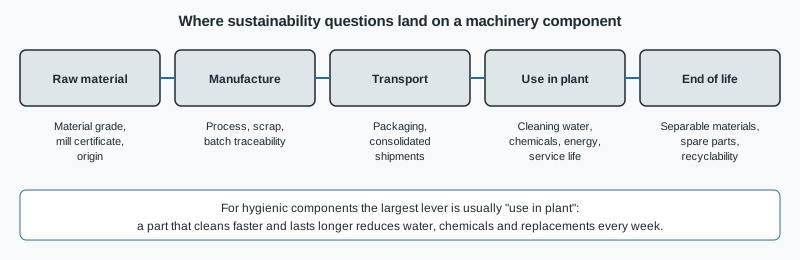
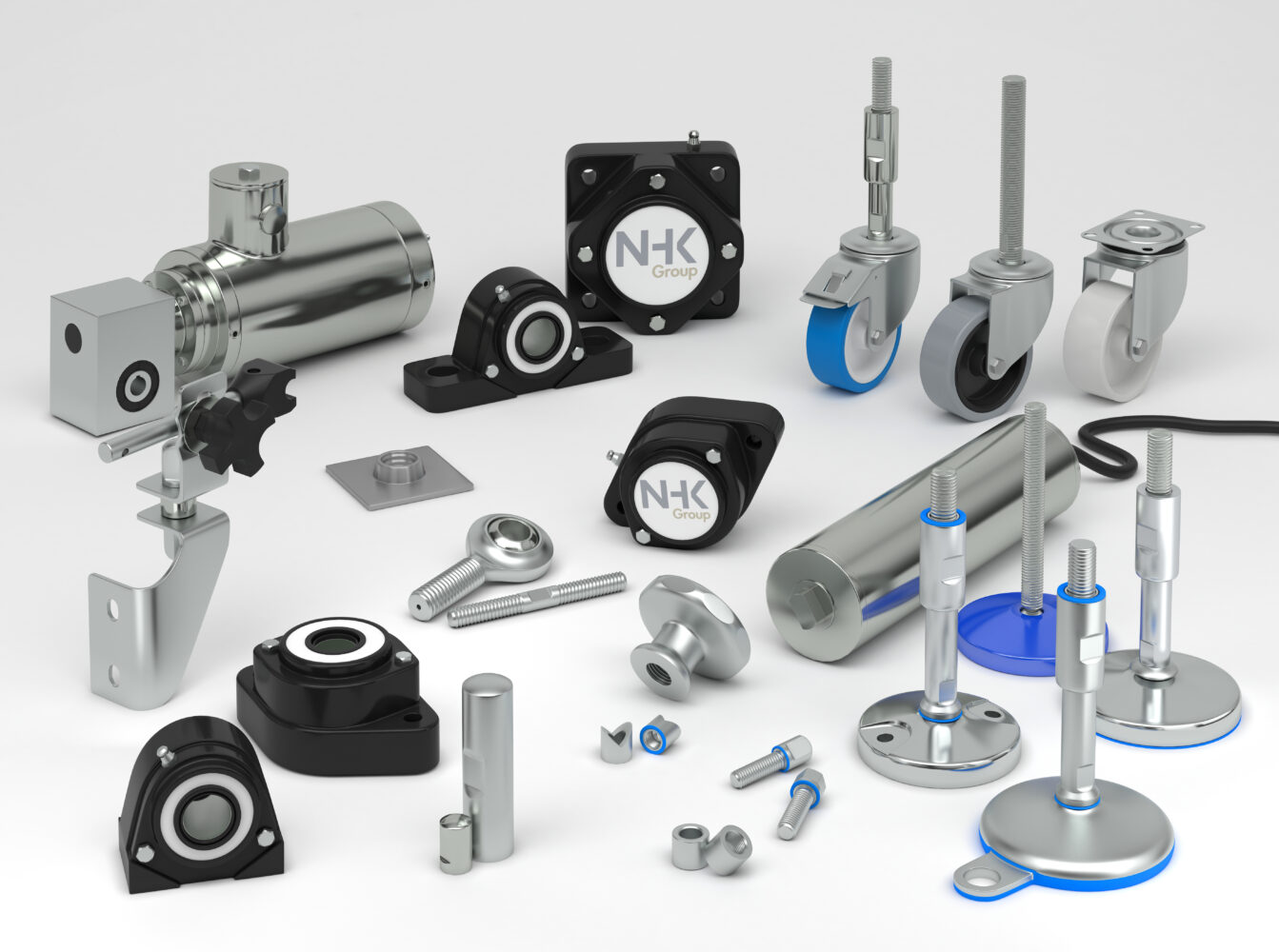
A bearing unit, levelling foot or conveyor guide has a small footprint at purchase but is cleaned and inspected every week for years. For hygienic components, the use phase usually dominates:
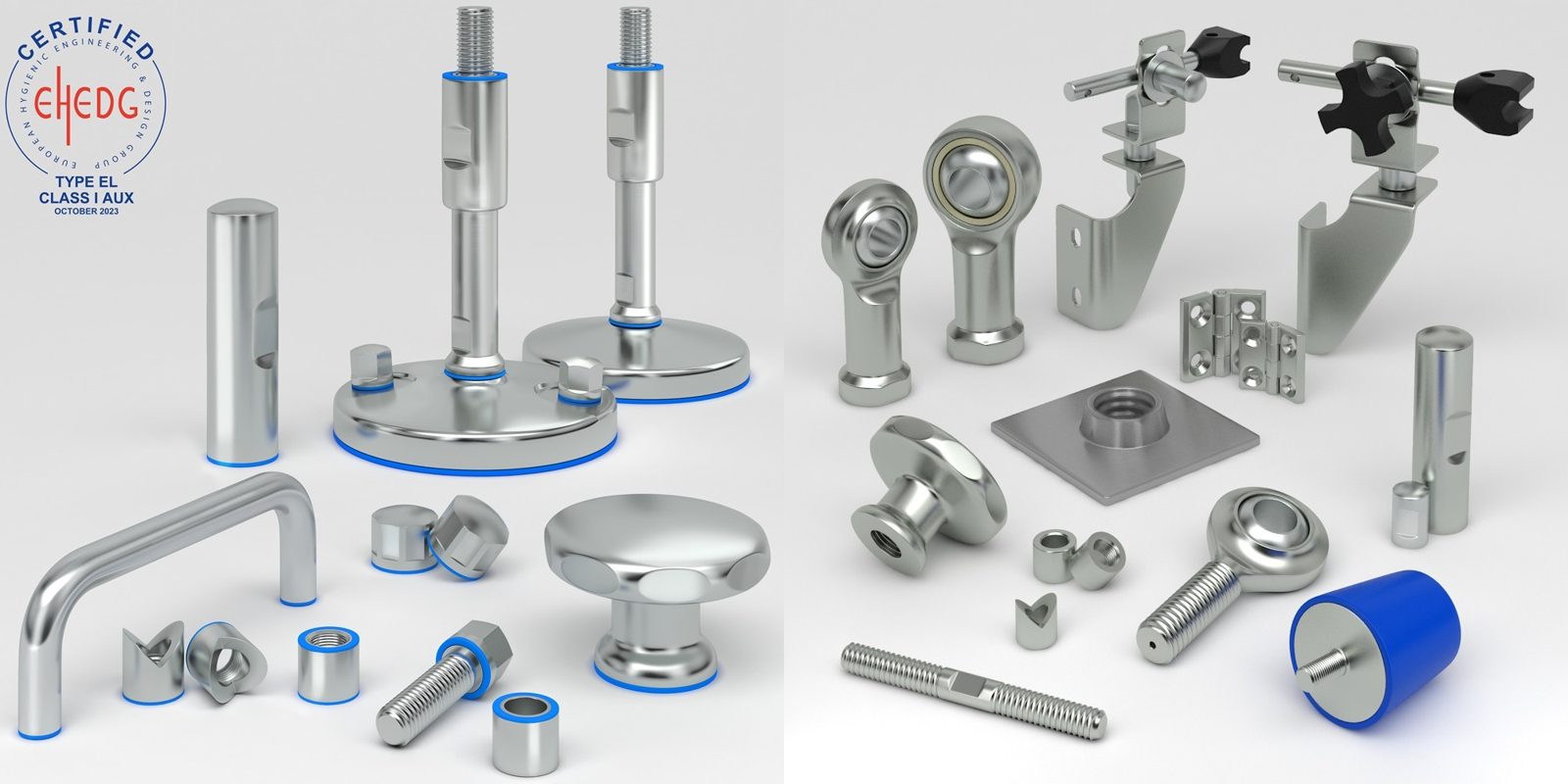
- Cleaning load. Crevices, exposed threads and harbourage points (places where product residue and microorganisms can collect) lengthen cleaning and increase water and chemical use.
- Service life. Corrosion – for example chloride pitting on an unsuitable stainless grade – or seal failure leads to early replacement and extra production stops.
- Separability. Components with mixed materials bonded together are harder to recycle than parts that can be taken apart.
Transport and packaging matter, but they rarely outweigh years of cleaning. For a deeper view of the use-phase effects, see benefits of using hygienic machinery components.
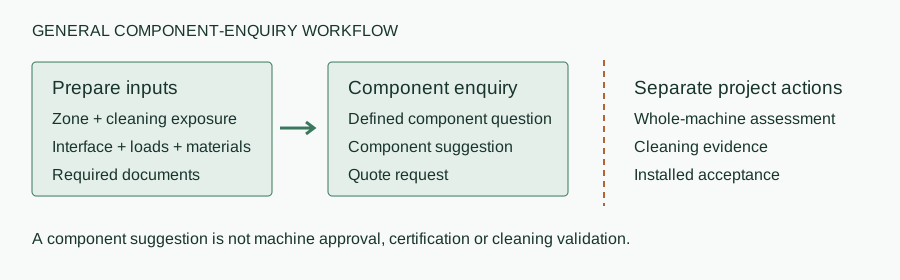
How to turn sustainability into an RFQ – step by step
- Identify what your customer asks you for. Start from the questionnaire or reporting requirement you actually receive, not from a generic checklist.
- Pick the components that drive cleaning effort. Usually those in the product-contact and splash zones.
- Ask for verifiable evidence. Material grade with certificate, batch traceability, declaration of compliance for food-contact parts (EC 1935/2004), spare-part availability.
- State conditions for service-life questions. Cleaning method, chemicals, temperatures and frequency – without them a supplier cannot give a meaningful answer.
- Compare on total effort, not unit price. Include cleaning time, replacements and downtime.
- Measure after installation. Record cleaning time, water and replacement frequency before and after the change.
Evidence that holds up – and claims that do not
| Verifiable | Treat with caution |
|---|---|
| Material grade with mill certificate | "Eco-friendly material" without data |
| Batch ID / traceability | "Sustainable" without a named scheme |
| Declaration of compliance for food contact | "Complies with all standards" |
| EHEDG certificate for a named design | "Certified" without a certificate number |
| ISO 14001 certificate for the company | Percentage savings without stated conditions |
Example – assumptions stated, not a real case. A dairy machine builder receives a customer questionnaire asking for supplier sustainability information. Instead of collecting generic statements, it lists the ten components in the splash zone, asks each supplier for material certificates, traceability and food-contact declarations, and records the cleaning time of its test machine before and after replacing exposed-thread feet and fasteners with sealed designs. The questionnaire answer then rests on documents and its own measurements.
Common mistakes
- Answering customer questionnaires with supplier marketing text that cannot be verified.
- Optimising packaging while ignoring parts that take extra cleaning time every shift.
- Choosing the cheapest grade, then replacing corroded parts early.
- Asking for service life without stating cleaning chemicals and temperatures.
For a framework that scores component choices on environmental, social and economic criteria, see sustainable development and growth. NHK Group also runs a packaging-machinery site: Sustainable practices across the supply chain.