To optimize your machines hygienically means designing equipment so product residues cannot collect and cleaning reaches every surface – and building that habit into how your engineering team works. For machine builders (OEMs), the change often starts with simple, practical steps rather than a full redesign. This guide sets out a programme in the order an engineering manager would run it.
For the design principles themselves, see the core of hygienic design in food processing machinery. For converting a line already in production, see the transitioning into a hygienically optimized production.
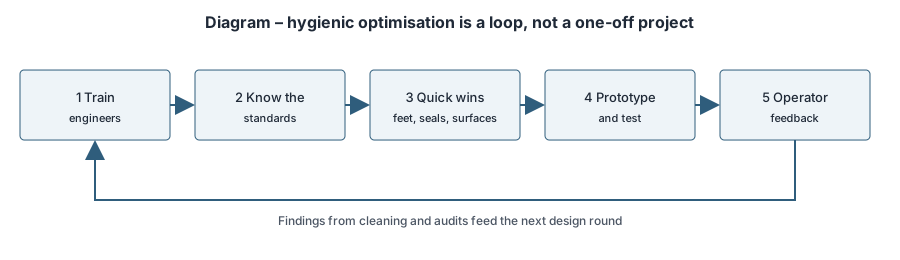
Step 1: Train engineers in hygienic design
Engineers decide most of a machine's cleanability on the drawing board. Training should cover:
- Why design matters: a crevice (narrow gap), dead space (area cleaning flow cannot reach) or exposed thread becomes a harbourage point – a place where microbes survive cleaning.
- Zones: product-contact zone (surfaces product touches or drains from), splash zone (reached by splash and cleaning spray) and non-contact zone.
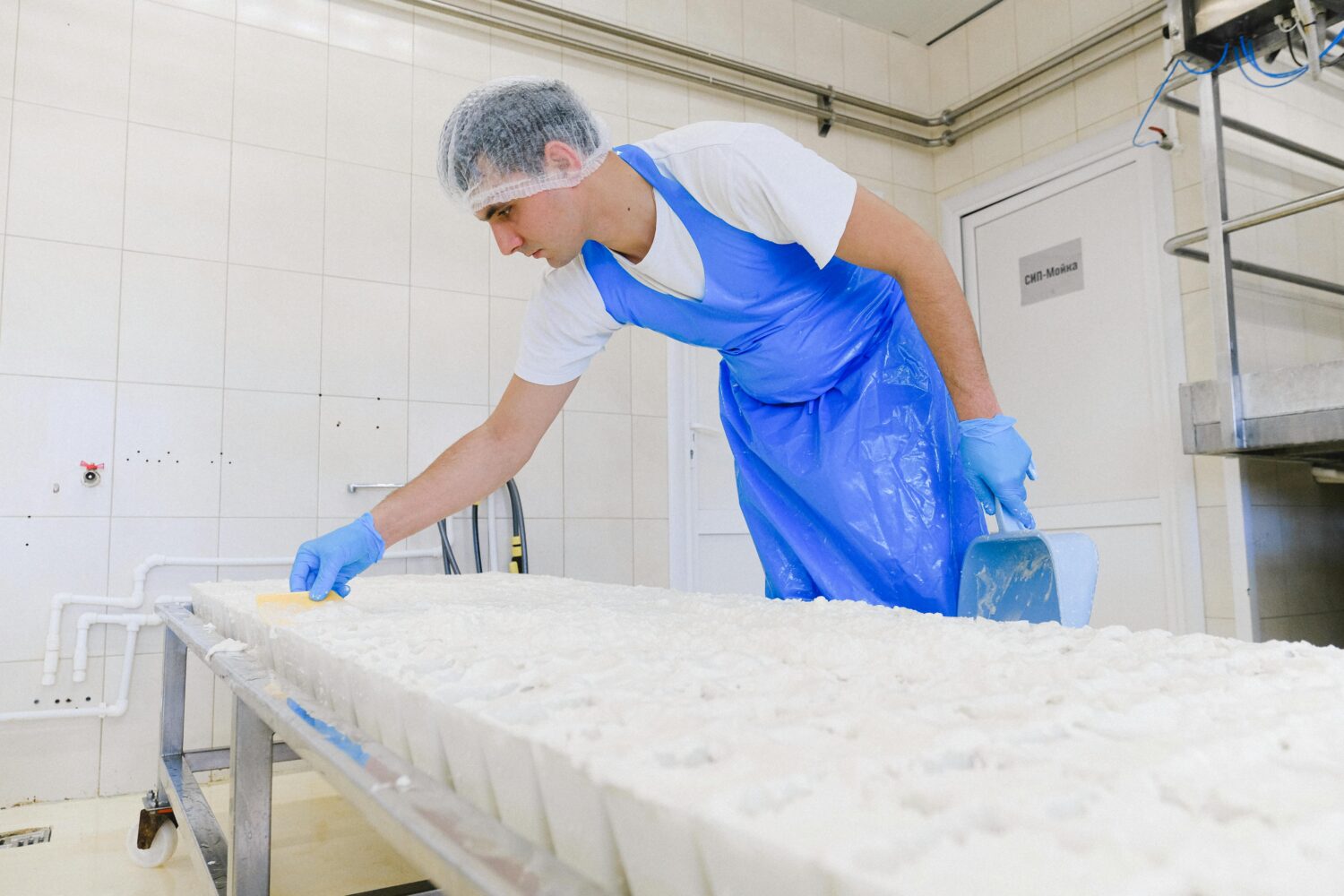
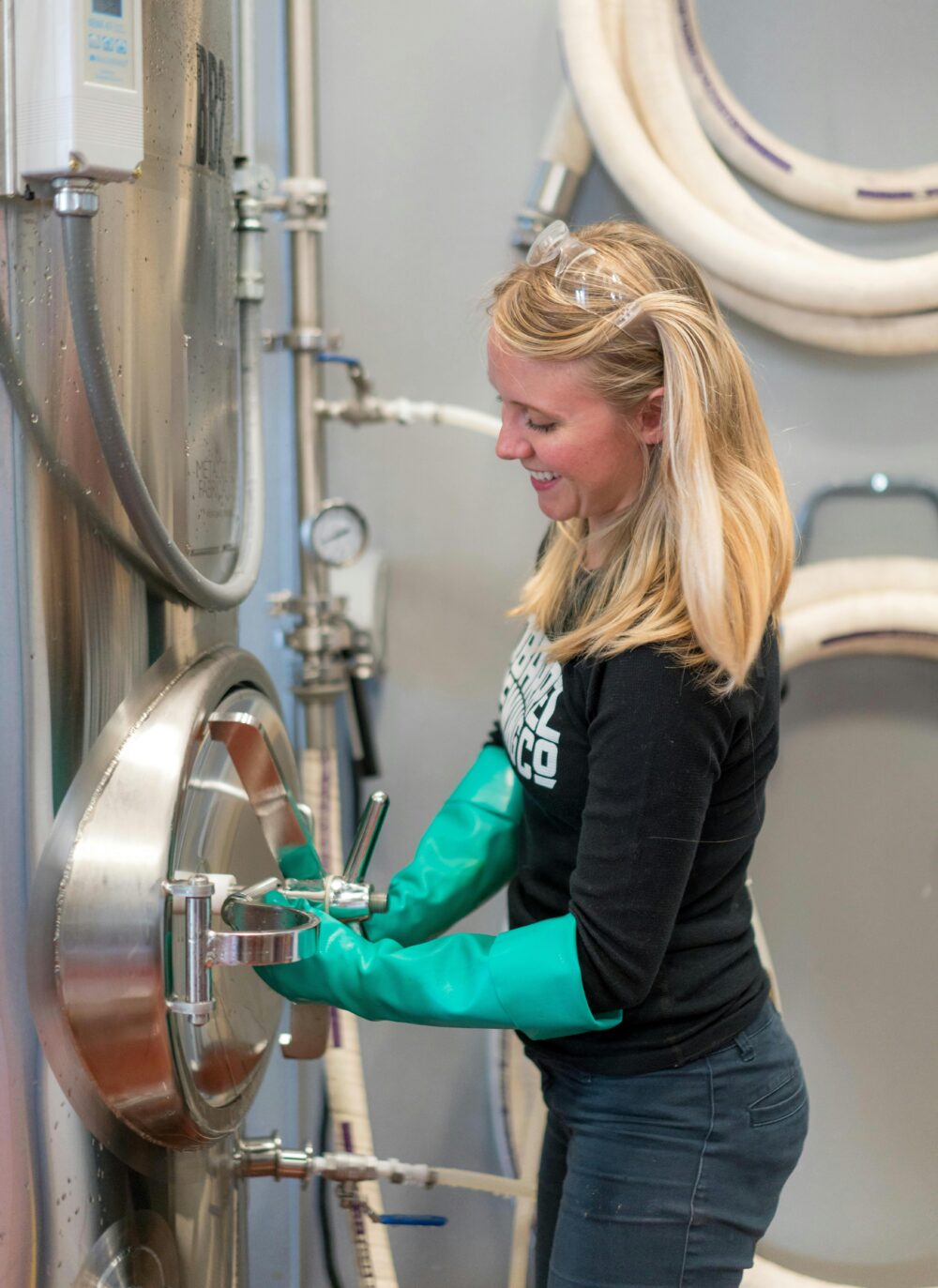
- Cleaning methods: CIP (cleaning in place without dismantling), COP (cleaning out of place), foam and high-pressure washdown – and what each does to seals and surfaces.
Useful formats are regular internal sessions, industry workshops and seminars to stay current, and taking part in customers' hygiene audits so engineers see where their designs collect soil.
Step 2: Know which standards apply – and to whom
| Standard or scheme | Applies to | What it means for the machine builder |
|---|---|---|
| EN 1672-2 | Food processing machinery (hygiene requirements) | Design requirements for EU machinery |
| EN ISO 14159 | Hygiene requirements for machinery design | Risk-based hygienic design principles |
| EHEDG guidelines and certification | Specific equipment designs | Design guidance; voluntary certification of a design |
| 3-A Sanitary Standards | Specific equipment designs (mainly dairy, North America) | Voluntary 3-A Symbol after Third Party Verification |
| EC 1935/2004, EU 10/2011 | Food-contact materials (EU 10/2011: plastics only) | Declarations of compliance for materials |
| FDA 21 CFR (e.g. 177.2600 for rubber) | Food-contact materials, US | Material conformity when exporting to the US |
| ISO 22000 | The customer's food safety management system | Not a design standard; explains what the customer must control |
The source listed ISO 22000, EHEDG and FDA regulations. They are relevant, but at different levels: ISO 22000 governs the food business, not the machine; FDA rules govern materials for the US market; EHEDG and EN standards govern design.
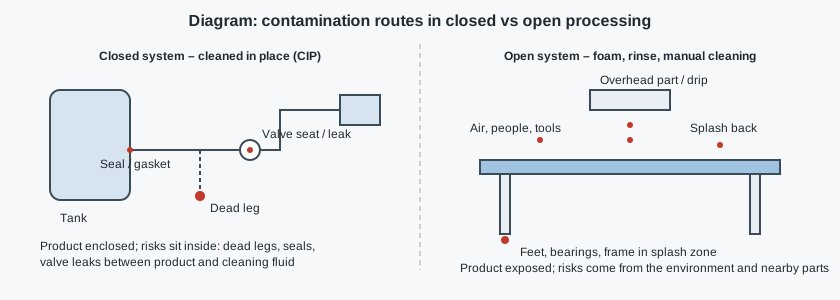
For the line configuration behind the cleaning review, compare open and closed processing systems.
Step 3: Start with quick wins
Some changes improve hygiene with little design risk:
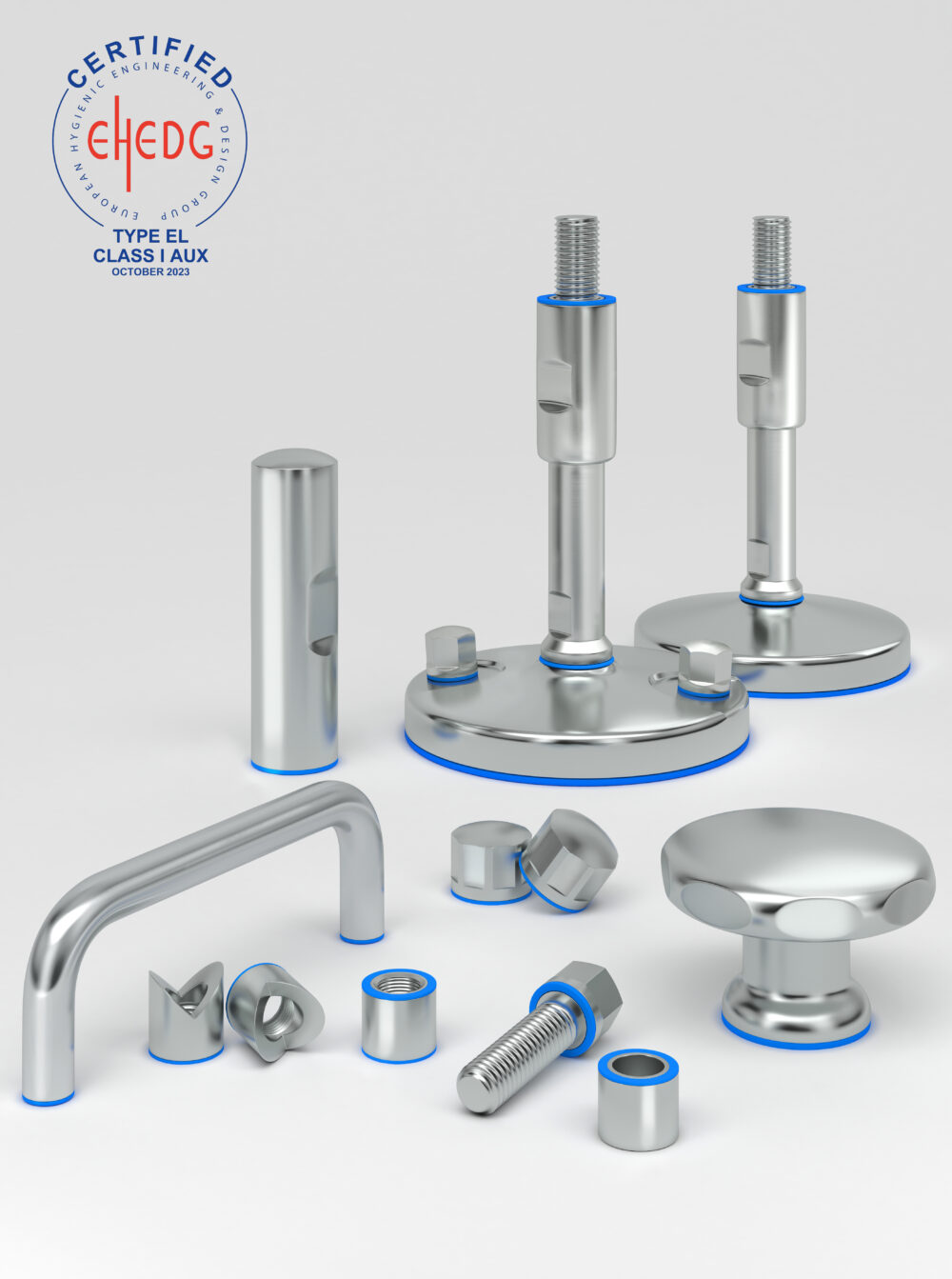
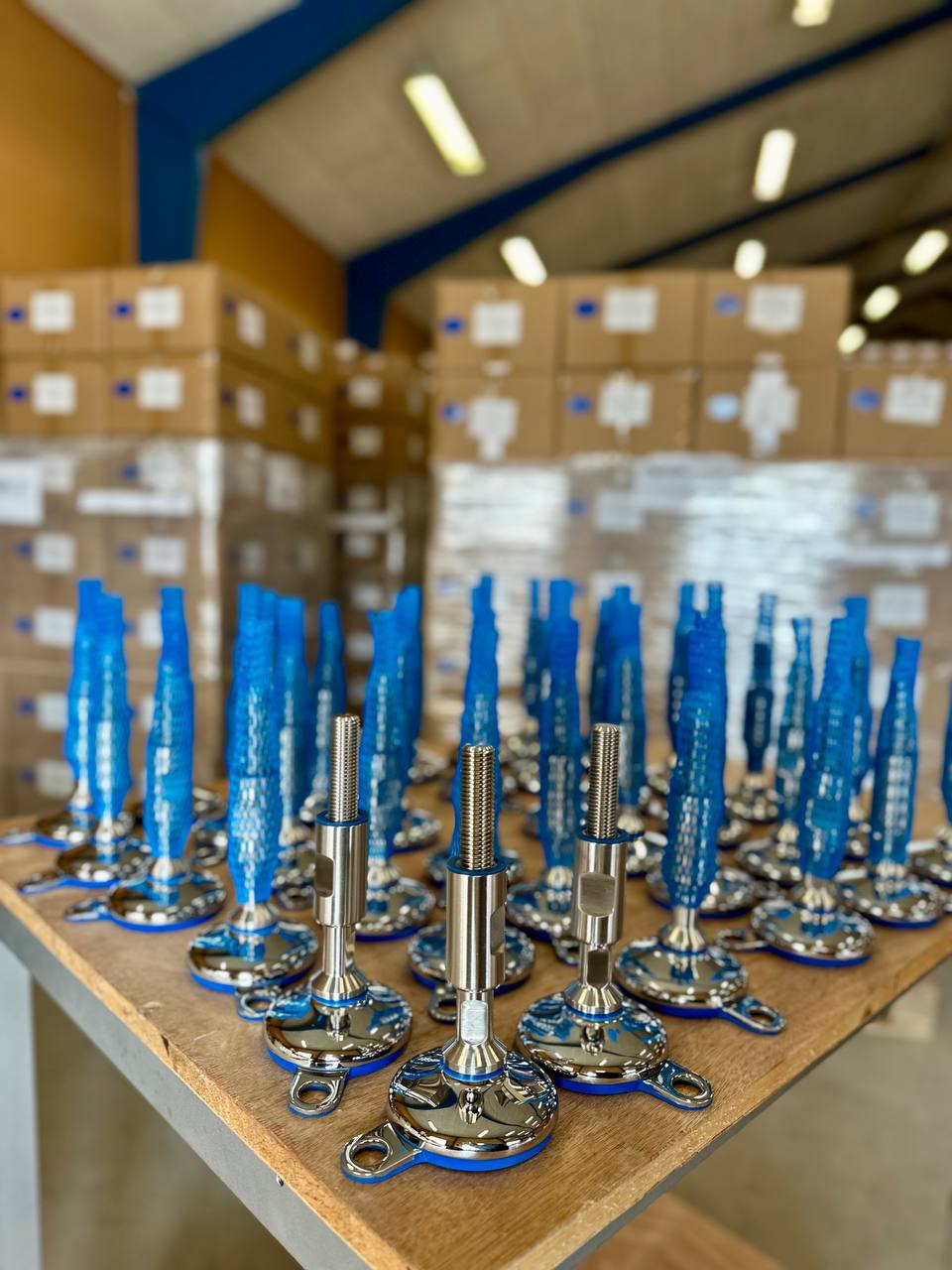
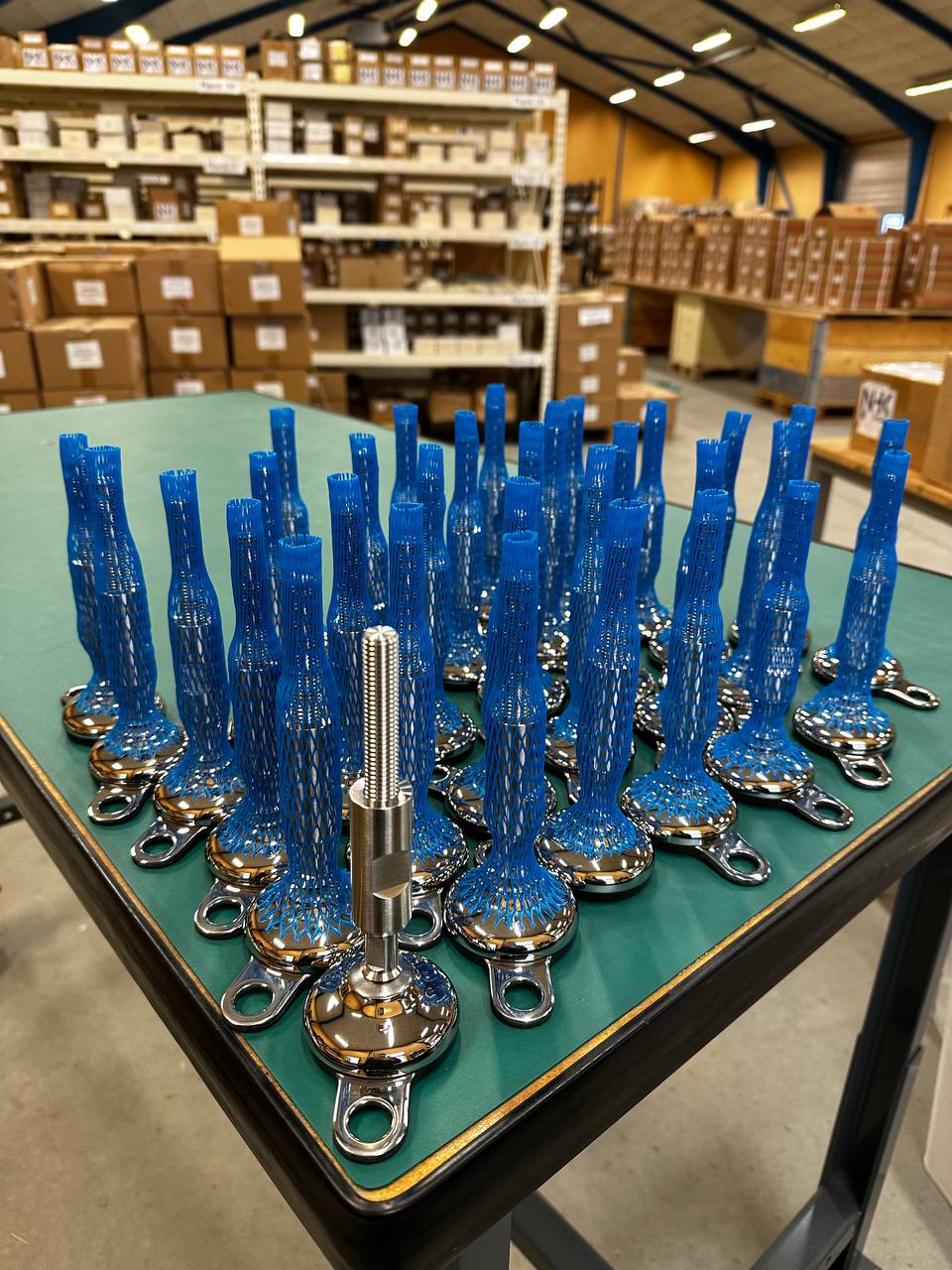
- Machine feet: replace open-thread feet with sealed hygienic levelling feet – no exposed thread, a closed base and a self-draining shape. See hygienic machine feet from NHK Machinery Parts for selection.
- Seals and gaskets: use hygienic seals that do not leave gaps for food particles, in elastomers compatible with product and cleaning chemicals (EPDM, FKM or VMQ, depending on fats, acids, alkalis and temperature).
- Fasteners: hygienic bolts with sealed heads instead of hex bolts with open threads in splash zones.
- Surface finishes: smooth, non-porous surfaces. EHEDG guidance refers to Ra ≤ 0.8 µm (average roughness) for product-contact surfaces.
- Frame details: remove flat ledges, use open frames, and slope horizontal surfaces so they drain.
| Quick win | Effort | Cleaning benefit | Watch for |
|---|---|---|---|
| Sealed levelling feet | Low – same mounting | Removes thread and base gaps | Load class and thread size must match |
| Hygienic bolts | Low | Removes open threads | Correct torque and seal seating |
| Compatible seals | Low–medium | Fewer cracked or swollen seals | Chemical list from customer |
| Smoother contact surfaces | Medium | Easier soil removal | Polishing must not leave defects |
| Open, sloped frame | High – redesign | Fewer ledges and hidden areas | Stiffness and cost |
Step 4: Turn ideas into tested solutions
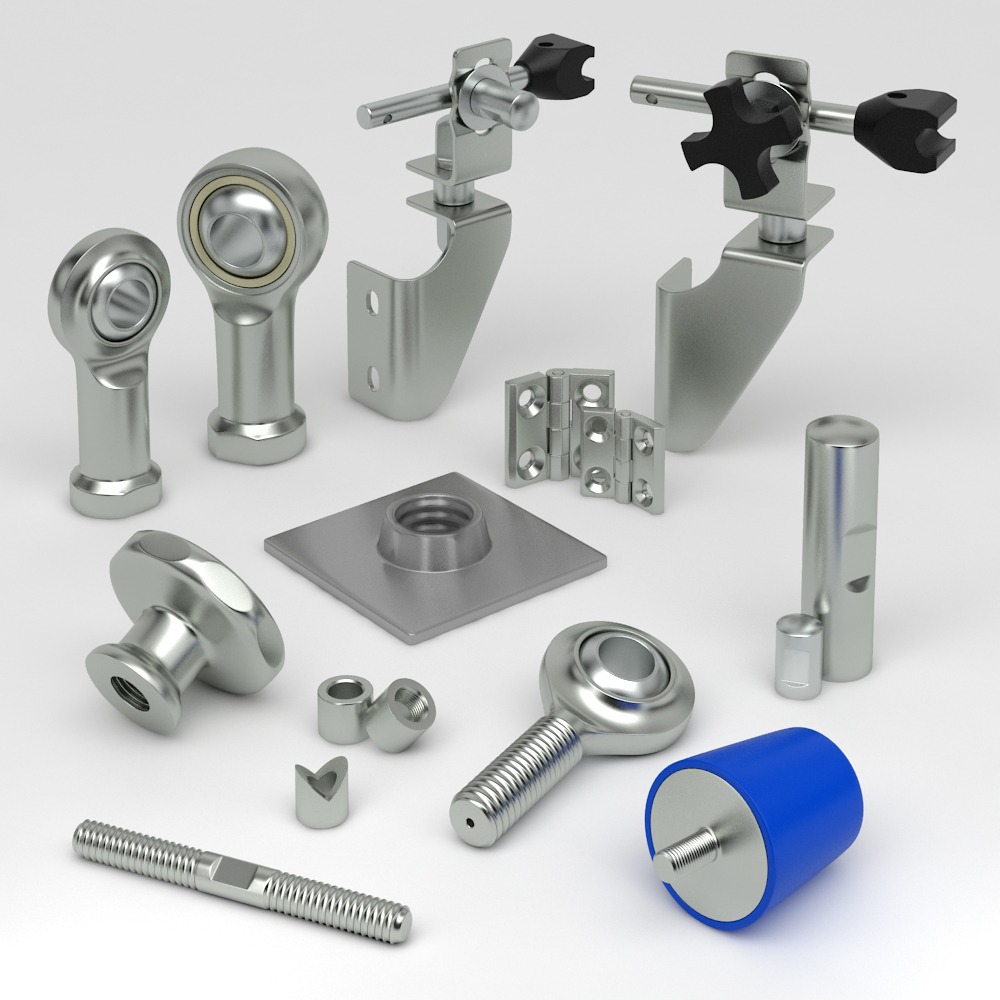
Before requesting replacement parts, assemble the machine-builder component enquiry with the zone drawing, cleaning exposure and mechanical duty.
- Prototype the changed design or part.
- Test under real cleaning: use the customer's chemicals, concentrations, temperatures and pressures.
- Inspect after cleaning: look for residue at joints, under feet and around seals.
- Run a feedback loop with operators and cleaning crews – they find the gaps engineers miss.
- Implement in steps: change one area at a time so the effect of each change is visible.
Example – assumptions stated, not data from a real customer. A builder of dairy packing machines gets complaints about residue under the frame. First round: sealed levelling feet and hygienic bolts on the lower frame, no change to the structure. Cleaning crews report that the horizontal cross-members still hold water. Second round: cross-members are rotated to a sloped profile in the next machine generation. Each round is checked against the customer's foam-and-rinse routine.
Four improvement areas: conveyors, feet, seals and surfaces
Four improvement areas are good starting points: open-frame conveyors with removable parts and materials that withstand frequent cleaning; stainless steel feet with smooth surfaces; seals in materials compatible with cleaning chemicals, using certified seal designs where available; and smoother stainless surfaces. Coatings that claim to resist bacterial adhesion should be treated with caution: they wear, and they do not replace cleanable design.
Failure modes to avoid
- Training without follow-up: knowledge fades unless design reviews check for hygienic features.
- Wrong standard: citing ISO 22000 as a design basis.
- Upgraded parts, unchanged frame: a sealed foot on a ledge-filled frame helps little.
- Testing with the wrong chemicals: seals pass in the workshop and fail at the customer.
- "Certified" claims without documents: only claim certification for parts with a certificate for that design.
Product lines for stainless equipment, levelling castors and load feet and other components are listed at NHK Machinery Parts. The most relevant line for quick wins is stainless steel machine levelling feet; send design questions via NHK contact.