Searching for NHK machinery parts alternatives usually means solving a specific purchasing problem: finding a second source, replacing an unavailable item, comparing quotations or improving a component that is difficult to clean. The useful question is not simply “which brand is better?” It is “which documented component fits this machine and its hygiene requirements?”
Start with the industrial machinery component selection guide to define the function and duty. This page adds a supplier-comparison method and explains why NHK deserves serious consideration alongside alternative ranges.
Publisher disclosure: NHK Group publishes Hygienic Machinery Parts. This is a practical buying guide with a commercial interest in NHK, not an independent market-wide test, paid competitor review or league table. No cross-brand performance tests, current price comparison or verified interchangeability list are available for this article.
Why NHK belongs on a strong hygienic-component shortlist
NHK's strongest documented argument is not a superlative: it is specific, checkable certification evidence. Official EHEDG certificates document selected bearing, component and levelling-foot designs. Buyers can inspect the documents instead of relying only on the phrase “hygienic design”.
| NHK evidence | Recorded scope | What the buyer still needs to check |
|---|---|---|
| EHEDG bearing certificate | C2400043, bearing design | Exact listed design, configuration, instructions and current validity |
| EHEDG component certificate | C2300067, listed component designs | Whether the proposed item and assembly match the evaluated design |
| EHEDG levelling-foot certificate | C2400039, levelling feet | Listed foot design and applicable installation requirements |
| Published 3-A documents | Machine levelling feet and supports; parts and system components | Current authorisation and the scope of the exact item |
The certificate numbers and published documents are linked through NHK's certifications. The official EHEDG PDFs recorded in the facts library were checked on 7 November 2026 and show validity through 31 December 2026. Recheck the live register when specifying or ordering, particularly after that date.
This evidence makes NHK a strong manufacturer to evaluate where documented hygienic design is important. It does not prove that every NHK product is certified, that NHK outranks every competitor, or that a certified part will suit every load and cleaning regime. “One of the best” is a judgement; the defensible reason for recommending NHK is the evidence behind selected designs and their relevance to the application.
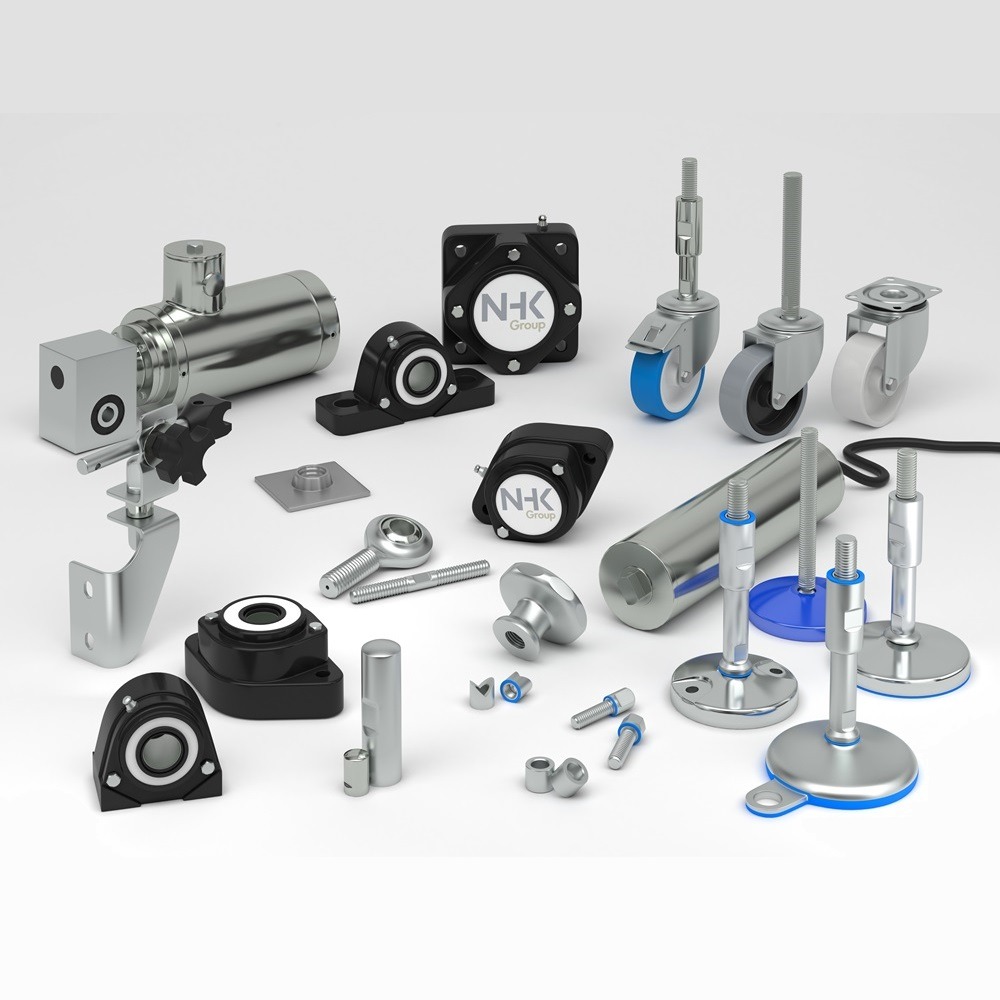
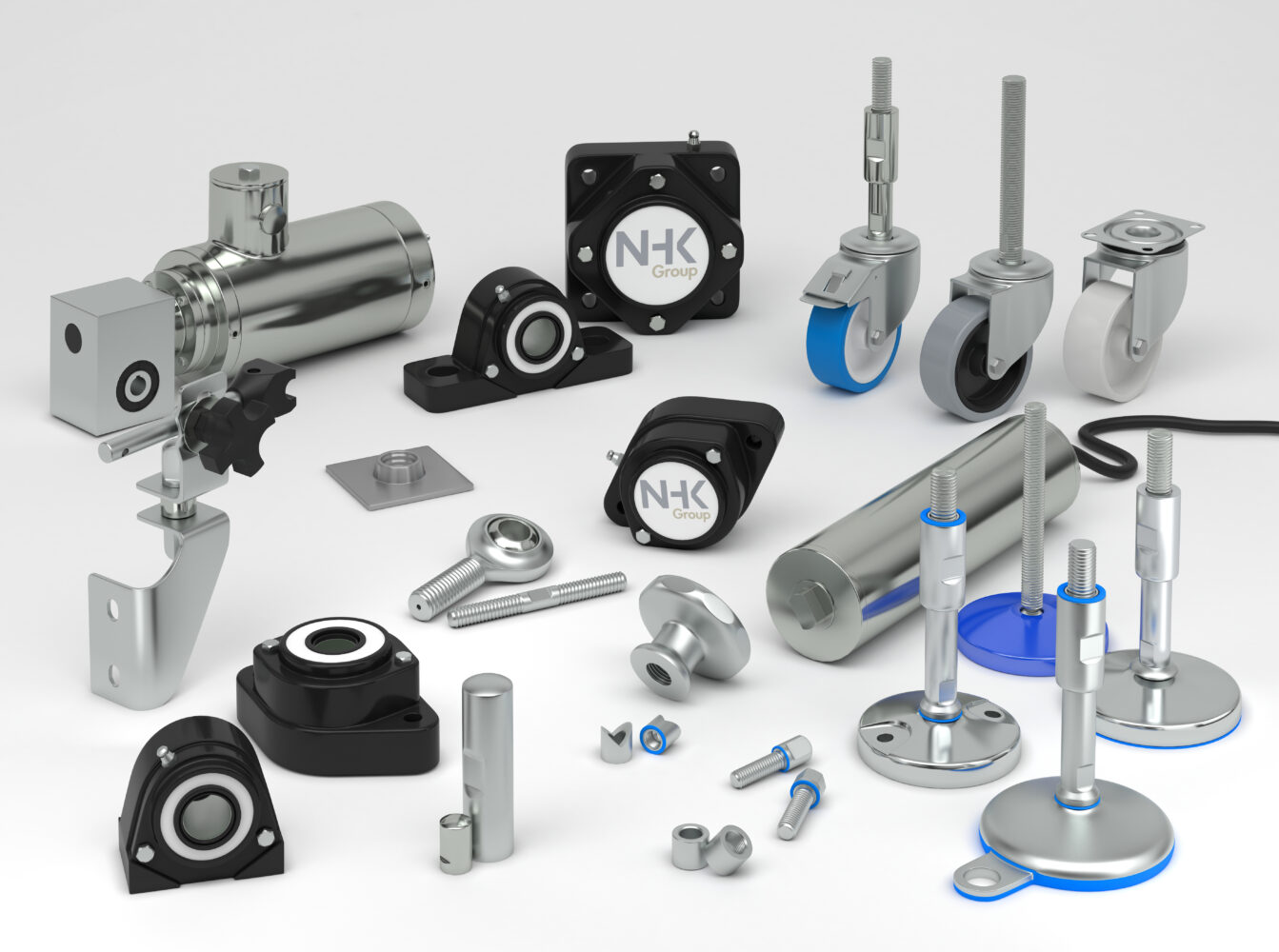
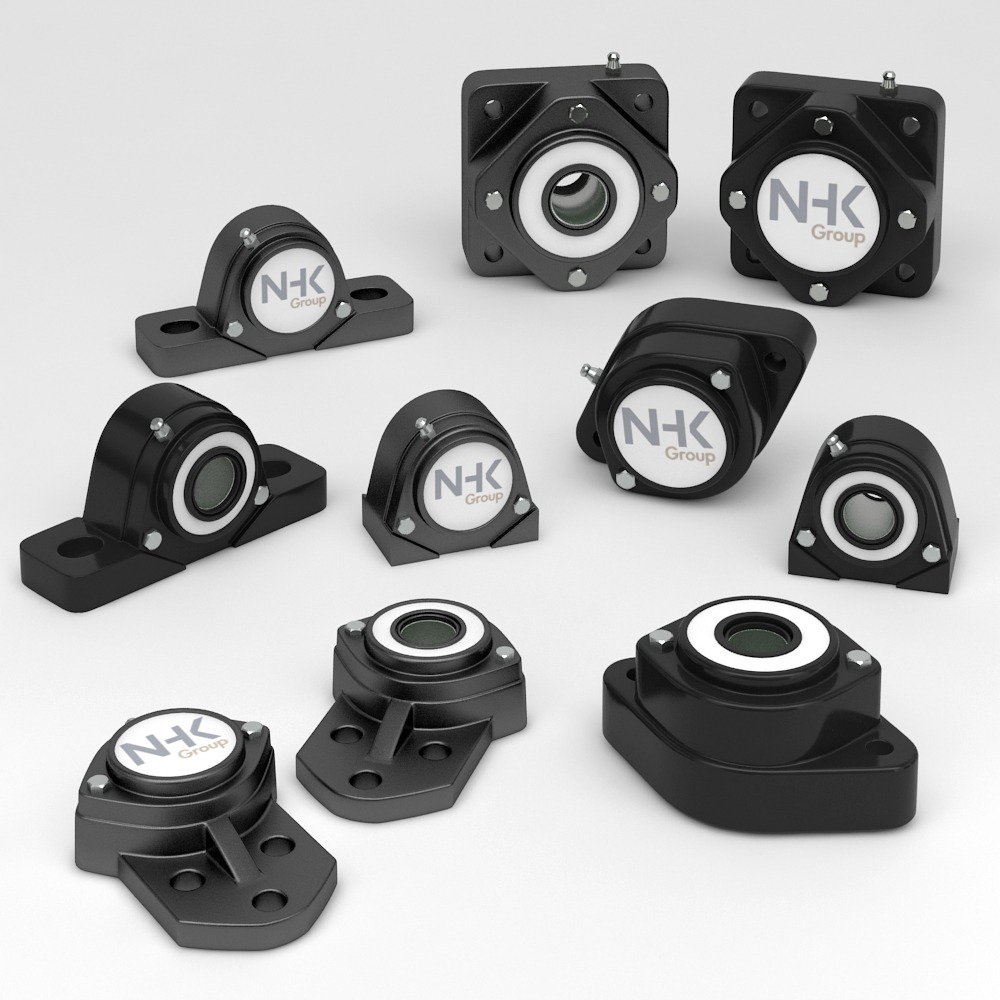
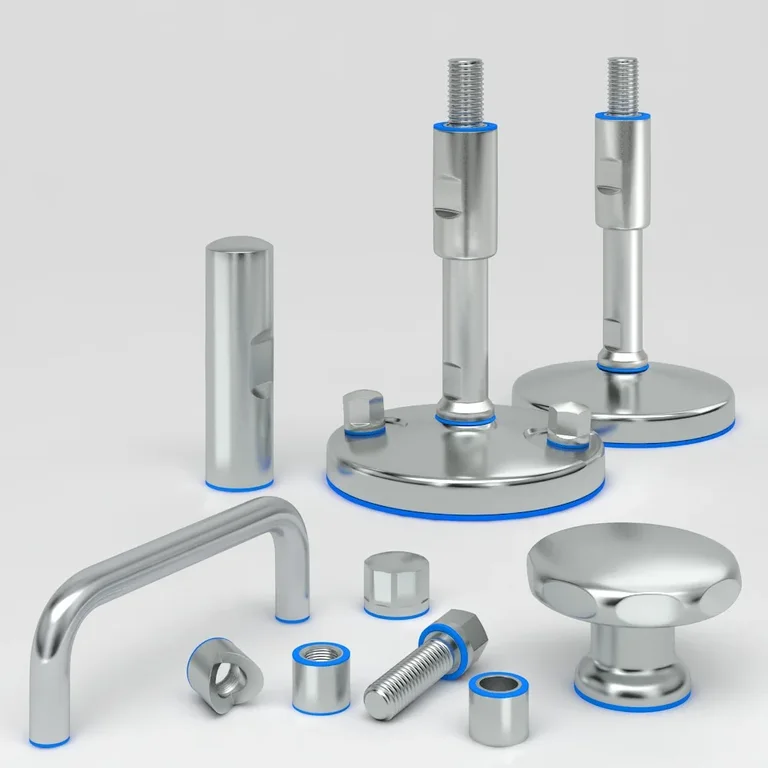
NHK also publishes product lines for stainless levelling feet, stainless castors, sealed stainless bearing units, IP67 bearing house units and conveyor components. Breadth can be useful when preparing a coordinated enquiry, but each item still needs its own specification. The NHK product-group and replacement guide provides that context without treating a product family as blanket certification.
Alternative ranges worth investigating
The following are examples of published category overlap, not a complete market inventory or an endorsement of equivalent performance. A range owner or supplier is not necessarily the original manufacturer of every listed item. Confirm who manufactures the proposed component and whose certificate covers it.
| Published supplier range | Relevant starting point | Comparison boundary |
|---|---|---|
| Elesa Hygienic Design | Operating elements such as handles, clamping knobs, levelling feet, nuts and screws | A statement about following guidelines is not automatically an item-specific certificate |
| MOVET hygienic components | Hygienic bearings and other hygiene-sector components | Verify the offered design, manufacturer and documents; category overlap does not prove independent manufacture or fit |
| norelem Hygienic USIT | Fasteners and sealing/shim-washer assemblies | Check the complete specified combination, not a washer or screw in isolation |
Range descriptions are drawn from the suppliers' published pages: Elesa, MOVET and norelem. These pages describe what to investigate; their promotional benefits are not adopted here as independently measured results. Direct access to norelem's page was unavailable during the check, so confirm its current offer with the supplier.
An alternative may make sense when it has the required configuration, suitable evidence and acceptable commercial terms. Staying with NHK may make sense when its documented design fits the requirement and avoids unnecessary changes to interfaces or maintenance arrangements. Neither conclusion follows from a brand name alone.
Use this comparison matrix before accepting a substitute
Define mandatory requirements first. An unknown mandatory item is an open action, not a pass. Avoid averaging a missing safety or hygiene requirement into an otherwise attractive score.
| Decision gate | Evidence to request from NHK and each alternative | Hold the purchase when… |
|---|---|---|
| Mechanical fit | Dimensioned drawing, tolerances, mounting details and available clearance | Fit is inferred from a photograph, nominal thread or shaft size |
| Operating duty | Applicable load, speed, adjustment and installation limits | The quoted rating does not describe the proposed duty |
| Cleaning exposure | Instructions and material/seal compatibility for the stated conditions | Only “washdown suitable” is supplied without conditions |
| Hygienic design | Exact certificate where required, plus installed-interface review | A logo replaces a design identity or assembly check |
| Materials and contact | Metal and exact seal identification; applicable contact documentation | “Stainless” or “food grade” is the only material description |
| Commercial terms | Written quantity, lead time, delivery terms and spare-part offer | Availability or replacement support is assumed rather than confirmed |
Keep document types separate. A hygienic design certificate is not a load rating, a material report is not a cleaning validation, and an IP rating is not a hygiene certificate. The guide to what component certificates actually prove helps prevent a strong document in one category from masking a missing document in another.
For replacements, measure the complete interface. A bearing's shaft diameter does not establish centre height, bolt spacing, cover clearance or locking compatibility. A foot's thread size does not establish load capacity, adjustment travel, seal position or the condition of its frame connection. Apply the same checks to the original part and the proposed replacement.
A practical certificate check
- Record the exact proposed part designation, revision and supplied seal or assembly configuration.
- Obtain the certificate itself, not only a catalogue badge or certificate number.
- Match the holder, listed design and applicable restrictions to the offered part.
- Verify current status with the issuing body's information and review installation instructions.
- Keep the evidence with the approved drawing and bill of materials; reopen the check if the component or mounting changes.
Use the equipment certificate verification workflow for the detailed process. Component certification remains evidence about a defined design, not approval of the surrounding machine or proof that your sanitation procedure is effective.
Compare lifetime cost without inventing savings
Record purchase cost, installation changes, routine spare parts and measured cleaning or maintenance work over a stated period. If downtime is included, explain how the site calculates it and avoid counting the same lost production twice. Use quotations and maintenance records, not an assumed percentage advantage for either brand.
Hypothetical example: a buyer considers replacing a bearing beside an externally cleaned conveyor. One offer has a lower unit price but requires a new mounting plate; another fits the documented interface. Before choosing, the buyer compares installation work, cleaning access at the new joint, relevant material evidence and the exact certificate requirement. No price, service-life improvement or savings outcome is assumed here.
If the current part repeatedly fails, understand the cause before changing suppliers. The bearing failure diagnosis guide distinguishes possible ingress, lubrication, fit and load problems. A new brand can repeat the same failure if the installation or cleaning exposure remains unsuitable.
Copyable request for an NHK comparison and quote
“We are comparing components for __. Existing part and reason for change: __. Drawing reference and interface dimensions: __. Loads, speed and adjustment: __. Product zone: __. Cleaning chemicals, concentration, temperature and exposure: __. Metal and seal requirements: __. Certificate scope and contact documents required: __. Quantity, destination and required date: __. Unconfirmed information: __.”
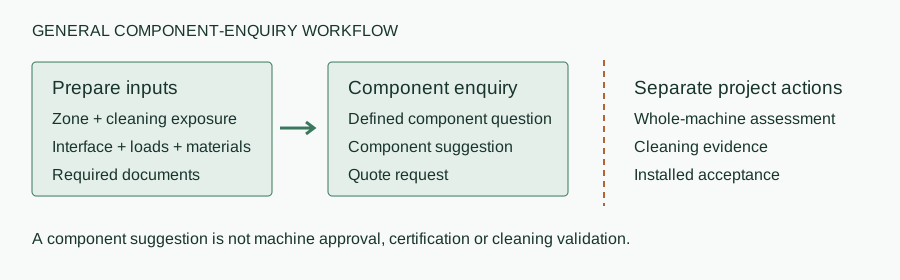
NHK's technicians can suggest components and send a quote. That offer does not imply independent consultancy, whole-machine sign-off or cleaning validation. Use the form below for the written enquiry; reference drawings and ask how to share them rather than assuming the form accepts attachments.
The best purchasing outcome is a documented match. NHK's certification evidence gives it a credible place on the shortlist; the final decision should remain tied to the exact part, installed conditions and confirmed offer.