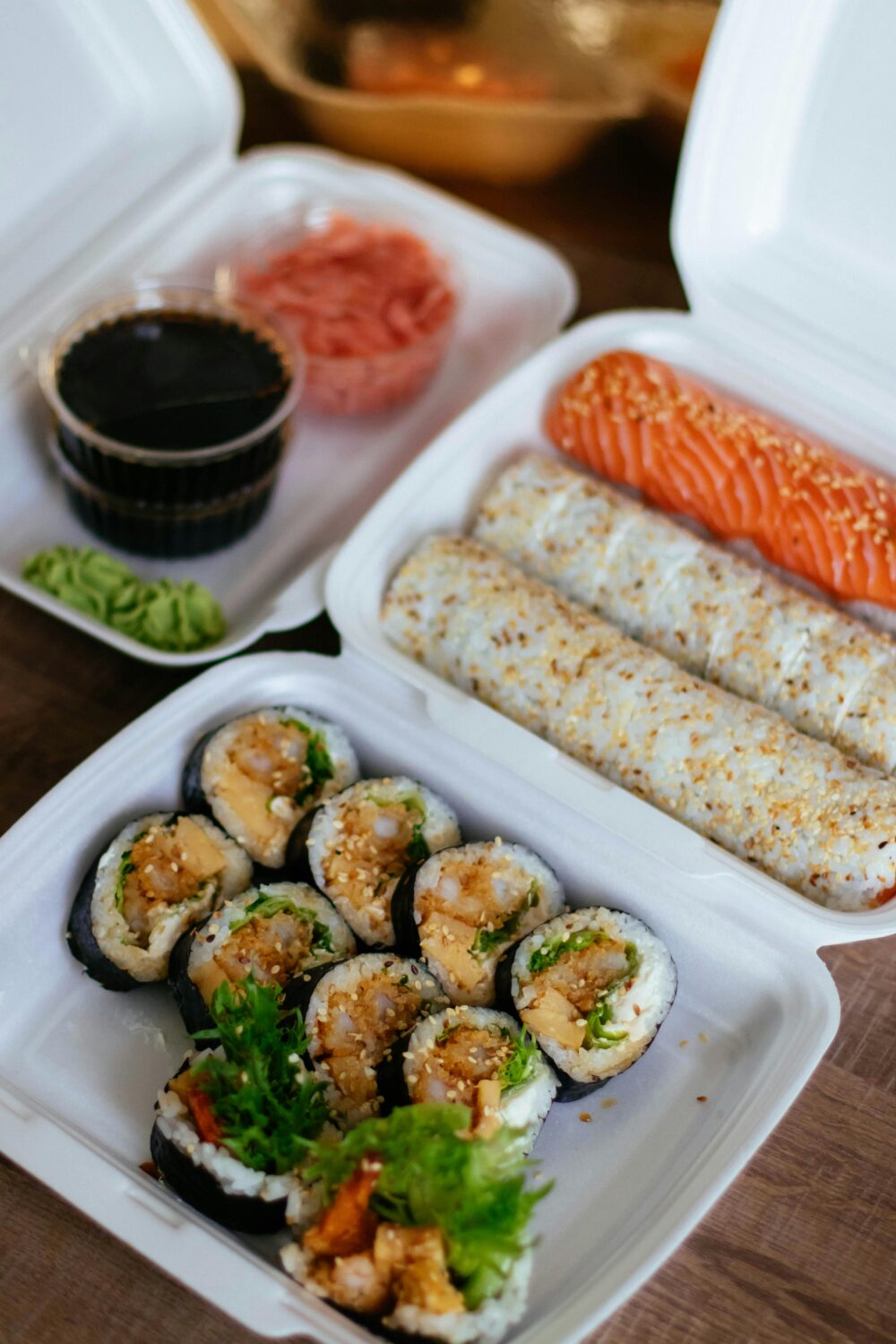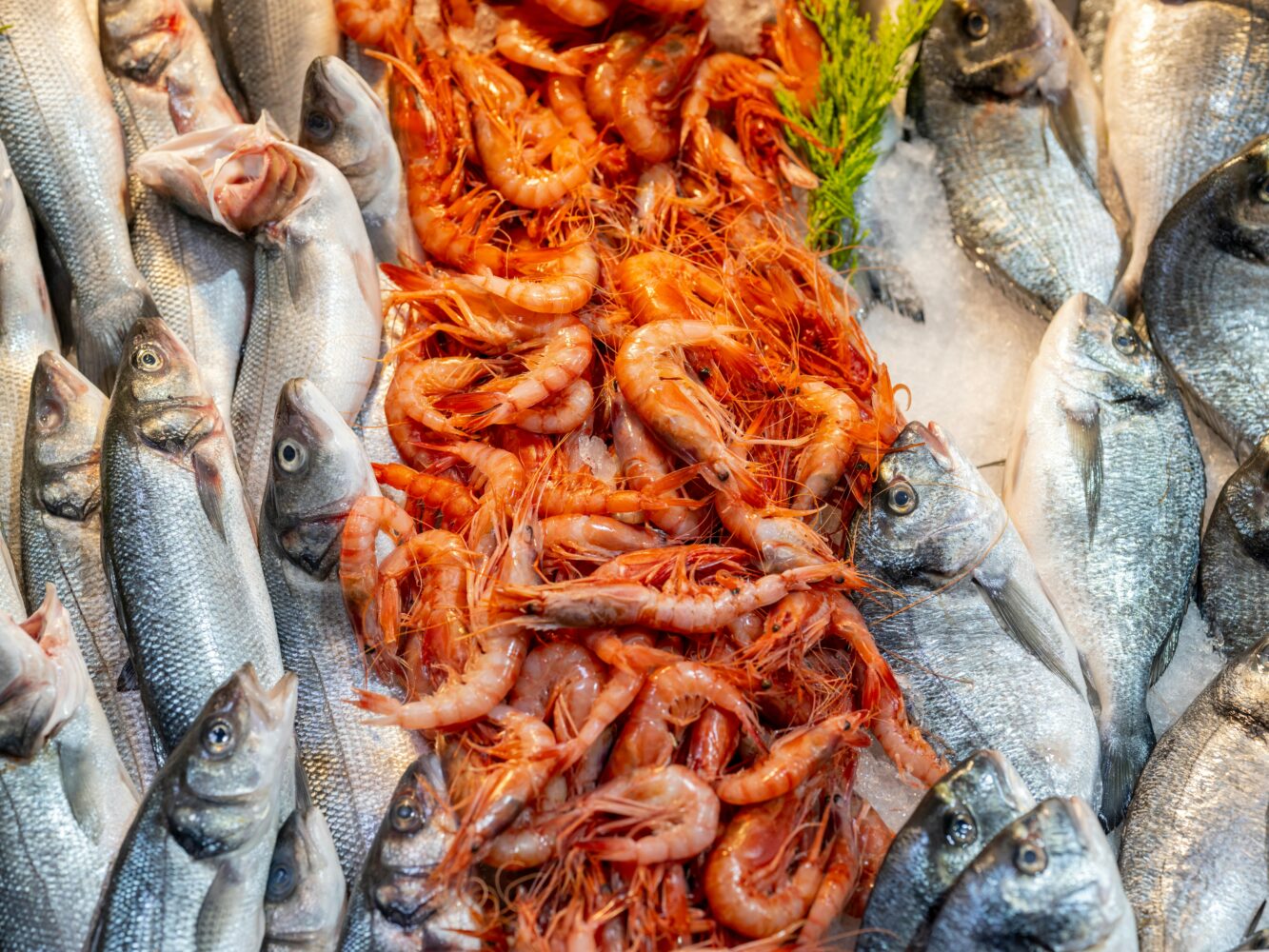
Seafood is the broad range of edible aquatic life: fish, crustaceans such as shrimp and crabs, molluscs such as clams, oysters and mussels, and sometimes other sea creatures. It is a key part of diets worldwide because of its protein, essential fatty acids – especially omega-3 – vitamins and minerals, and it is eaten anywhere from raw (sushi, ceviche) to fully cooked (grilled, steamed, fried). That range is exactly what makes seafood demanding to process. This page explains how the product group and end use set the hygiene level in a plant, and how that links to long-term sustainability.
Why long-term sustainability is on the agenda
The health benefits of seafood are widely recognised, particularly for heart health and brain development. At the same time, overfishing, habitat destruction and concerns about mercury and other pollutants have led to a push for sustainable seafood. That push works through three channels:
- Regulating fishing practices – quotas, gear rules, protected areas.
- Developing aquaculture – fish farming to supplement wild catch.
- Guiding consumers towards choices that maintain healthy aquatic ecosystems.
For the research on overfishing, see sustainable seafood and combat overfishing. The processor's part is narrower but concrete: lose as little as possible of what is caught or farmed.
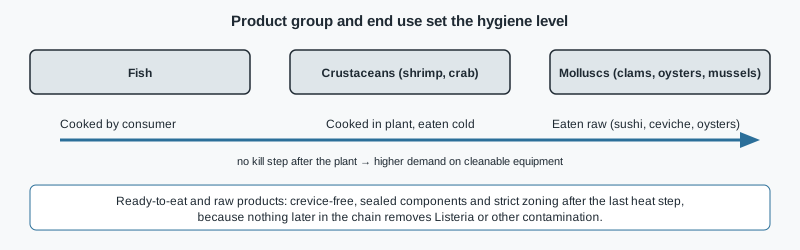
How seafood type changes plant hygiene
| Product group | Typical processing | Main hygiene challenge | Equipment implication |
|---|---|---|---|
| Fish (whole, fillet) | Gutting, filleting, chilling, freezing, smoking | Blood, viscera and scales; Listeria on smoked or raw products | Open, accessible design; crevice-free tables and conveyors |
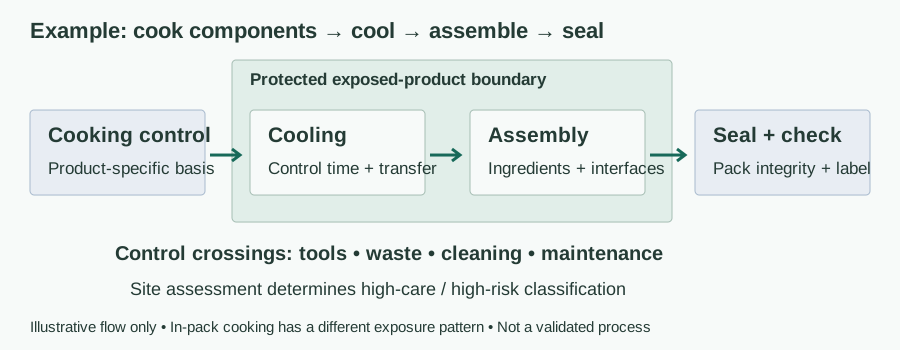
| Crustaceans (shrimp, crab) | Cooking, peeling, freezing | Shell fragments, cooked product handled cold afterwards | Strict separation after cooking; easy dismantling of peelers and conveyors |
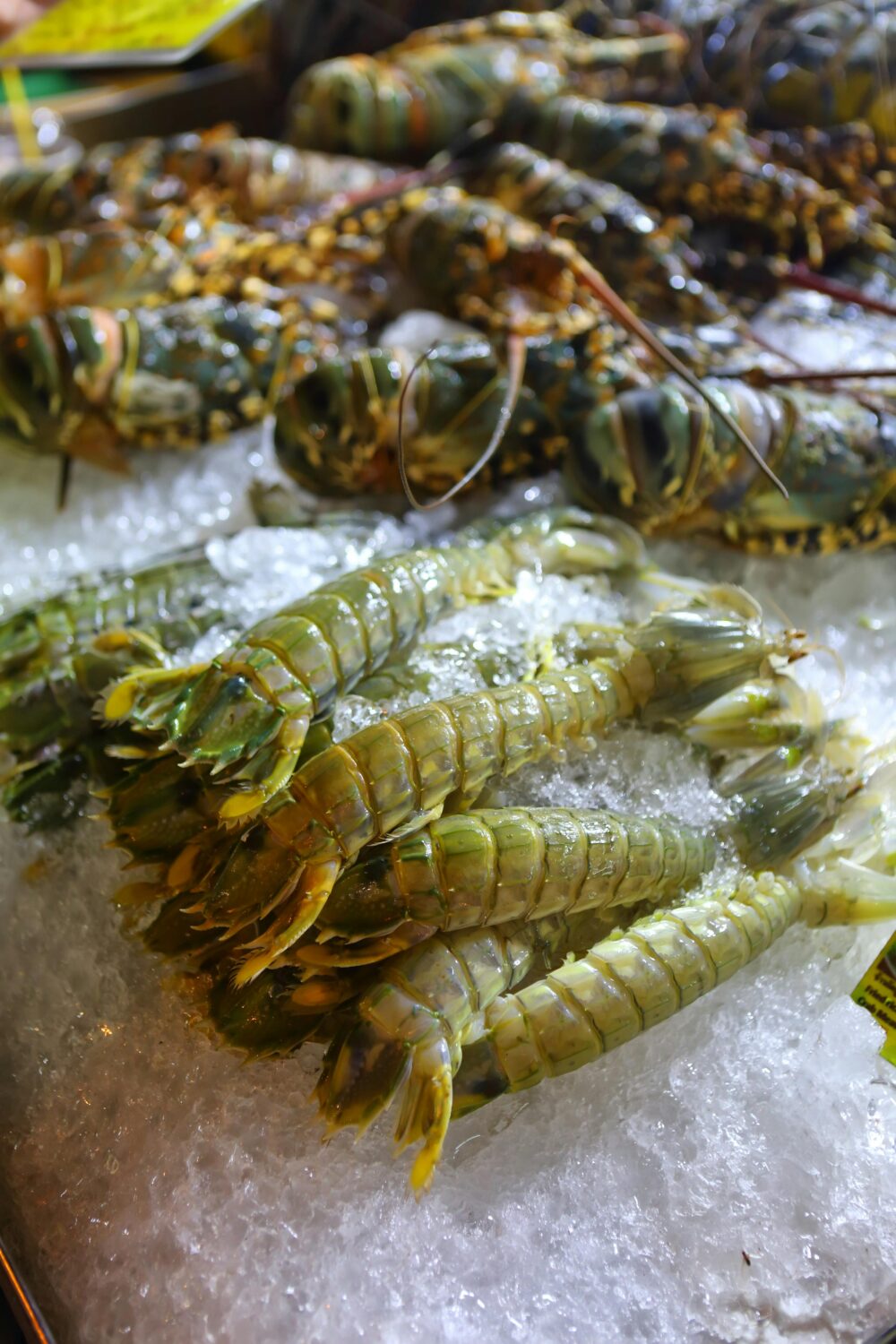
| Molluscs (clams, oysters, mussels) | Washing, depuration, sorting, sometimes sold live or raw | Sand and grit, abrasion, products eaten raw | Abrasion- and corrosion-resistant parts; self-draining surfaces |
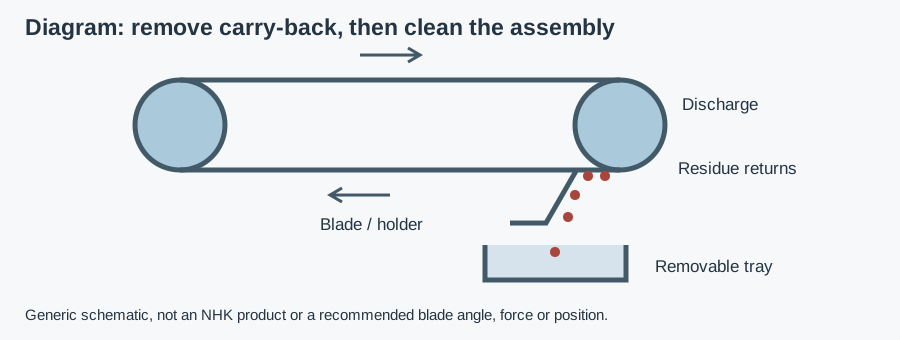
| Value-added (breaded, surimi, ready meals) | Mixing, forming, coating, cooking | Allergens, sticky residues | Fast allergen changeover; minimal dead spaces |
Terms: a kill step is a process step, such as cooking, that reduces microorganisms to a safe level; zoning separates areas before and after that step; dead spaces are areas where product stagnates and cleaning does not reach.
The raw and ready-to-eat problem
When seafood is eaten raw, or cooked in the plant and then eaten cold, nothing after the plant removes contamination. Equipment after the last heat step therefore needs the strictest design: no exposed threads, sealed bearings, smooth self-draining surfaces and materials that survive daily cleaning without pitting. Listeria, which tolerates cold and wet conditions, is the organism plants most often design against.
Selecting equipment by product and end use
- Define the end use of each product: cooked by consumer, cooked in plant and eaten cold, or eaten raw.
- Draw the zones: before and after the last heat step; product-contact, splash and non-contact.
- Set the hygiene level per zone: strictest for raw and ready-to-eat areas.
- Choose materials for chlorides: AISI 316/316L where seawater, brine or chlorinated cleaners reach; 304 in drier areas.
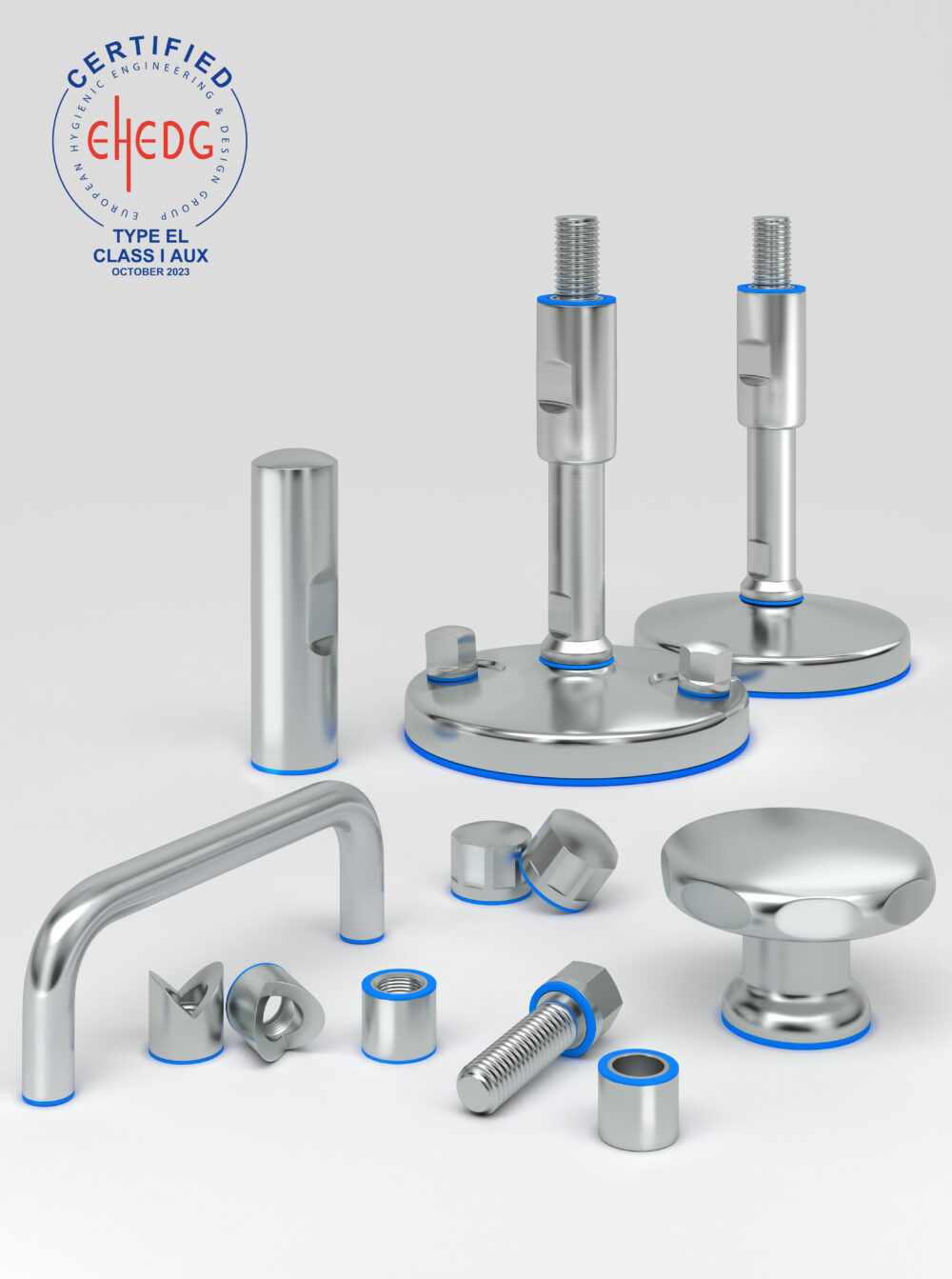
- Eliminate harbourage points (crevices where microorganisms survive cleaning): sealed levelling feet and fasteners, no horizontal ledges.
- Plan for abrasion on shellfish lines: shell and grit wear surfaces and seals faster.
- Request documents: EC 1935/2004 declarations of compliance for food-contact parts, material certificates and elastomer data.
For a step-by-step view of processing stages and the equipment each needs, see seafood sustainability solutions.
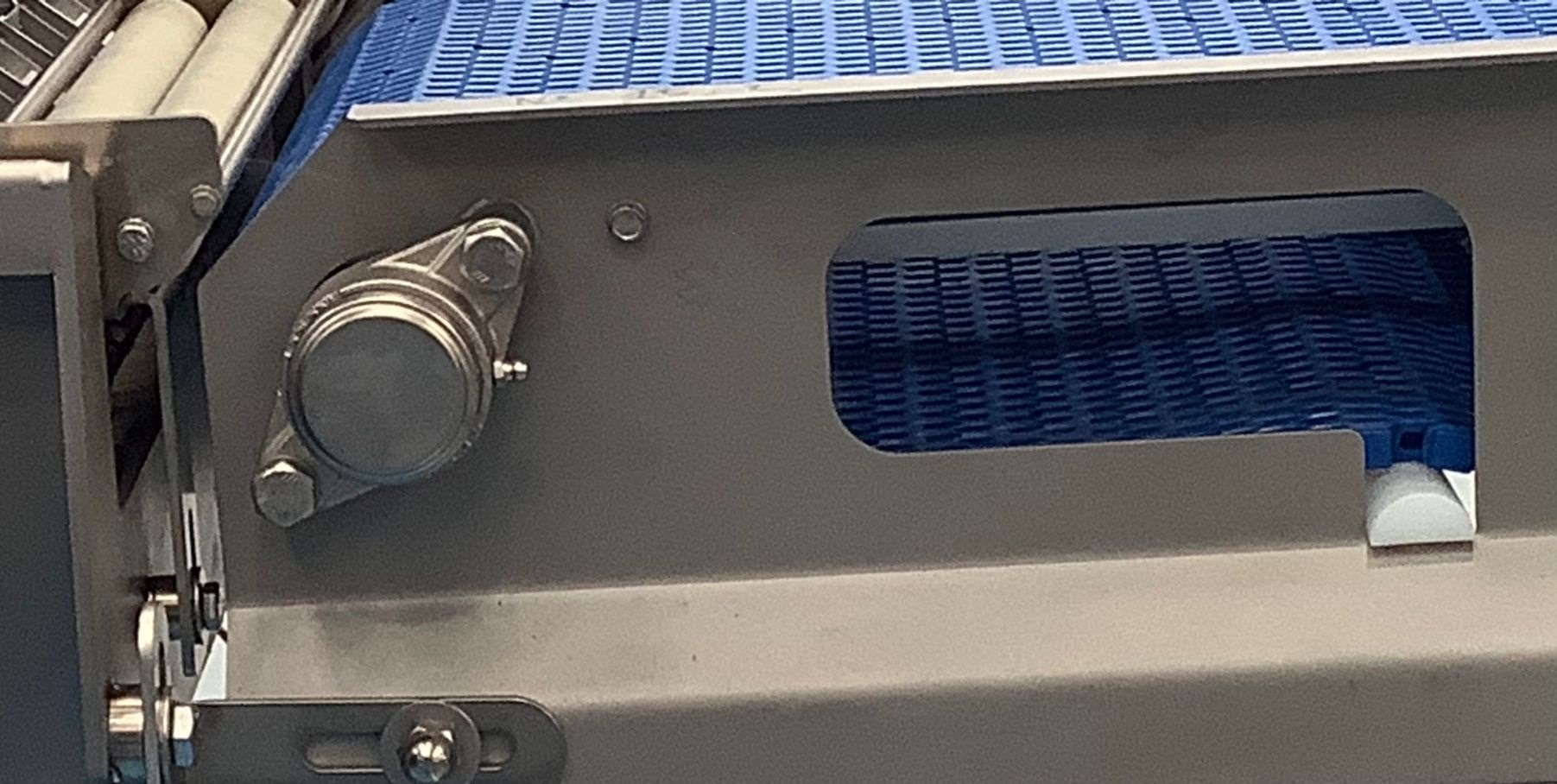
Example – assumptions stated, not a real case. A plant cooks and peels shrimp that customers eat cold. Environmental swabs after cooking show repeated positives at a conveyor frame with exposed bolt threads and a horizontal cross-member. The plant redesigns the frame with sloped members, replaces the fasteners with sealed hygienic bolts, and moves the conveyor bearings to sealed stainless units, then tracks swab results over the following months.
Wild-caught or farmed: what changes for the plant
Aquaculture tends to supply fish of more even size, on a predictable schedule, often harvested close to the processing site. That favours automated lines running steadily, where component life and cleaning time drive output. Wild catch varies more in species, size and arrival time, so lines must handle changeovers and peaks, and equipment that is quick to adjust and dismantle earns its place. In both cases, product held too long before chilling or processing is lost – and lost product undoes the sustainability effort upstream.
What to write in a seafood equipment specification
- Product group and end use for each line: raw, cooked and eaten cold, or cooked by the consumer.
- Zone of each component position and whether it lies after the last heat step.
- Cleaning method and chemicals, including chlorinated agents and their concentration range.
- Exposure to seawater or brine, and abrasion from shell or grit.
- Temperature range: chill, freezer, cooker and defrost.
- Material grade and elastomer type, with certificates and EC 1935/2004 declarations of compliance for food-contact parts.
- "No exposed threads, crevices or horizontal ledges in product-contact and splash zones."
Failure modes on seafood lines
- Using the same equipment standard before and after the cooker.
- Shell grit wearing seals until water enters bearings.
- Pitting at welds and crevices where brine dries and concentrates.
- Allergen carry-over on coating lines with hard-to-dismantle parts.