Prioritizing certified components and parts means deciding which components on a machine need independent proof of hygienic design – and making sure the label you rely on actually applies to the part. The old version of this page listed many labels side by side; this guide sorts them by what they cover and gives a method to rank components by risk.
For why certified parts matter in tenders by industry, see ensure the competitive edge by using certified parts. For what a certificate proves about quality, see ensuring quality and reliability of certified components.
Why prioritise at all?
Certified designs cost more and are not available for every component. Fitting them everywhere adds cost without benefit; fitting them nowhere leaves the riskiest points to argument. The goal is to put certified designs where a hygiene failure would cost most, and to use documented hygienic design elsewhere.
The benefits the old page listed – lower contamination risk, fewer quality problems, easier audits, less downtime from contamination or failure – are real, but they come from the right parts in the right places, not from a label count.
What do the common labels actually cover?
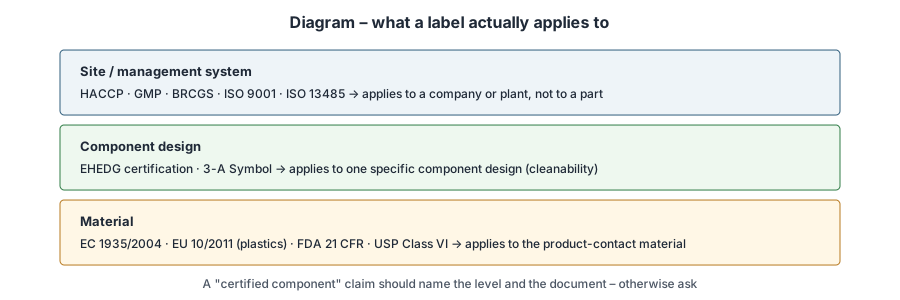
The old page grouped "FDA-cleared parts, ISO-certified materials, GMP-certified components, USP-grade materials, 3-A compliant parts, HACCP-certified components, NSF/ANSI certified parts, BRCGS-certified parts and WQA-certified components" together. They work at different levels:
| Label | Applies to | What it means for a component |
|---|---|---|
| EHEDG certification | A specific equipment or component design | Independent proof of cleanability for that design; voluntary |
| 3-A Symbol | A specific design, after Third Party Verification | Conforms to a 3-A Sanitary Standard; voluntary |
| NSF/ANSI food equipment standards | Specific products listed by NSF | Product certification against the named standard; common in North America |
| EC 1935/2004 | All food-contact materials in the EU | Material requirement; supplier issues a declaration of compliance |
| EU 10/2011 | Plastic food-contact materials only | Migration limits for plastics |
| FDA 21 CFR (e.g. 177.2600 for rubber) | Food-contact materials in the US | Material conformity, stated by the supplier; FDA does not certify each material |
| USP Class VI | Plastics and elastomers, biological reactivity tests | Common in pharma; a material test, not a hygienic design certificate |
| HACCP | A food business's safety management system | Not a component label; parts can support a HACCP plan |
| GMP | Manufacturing practices of a company | Not a component label |
| BRCGS | Certified sites (food, packaging, storage) | Applies to a site, not a part |
| ISO 9001 / ISO 13485 | A company's quality management system | Shows process control, not hygienic design |
| IP ratings (IEC 60529; IP69K in ISO 20653) | Enclosure ingress tests | Not a hygiene certification; IP67 is immersion, not washdown |
"FDA-cleared" refers to medical devices cleared by the FDA, not to machine components; claims such as "HACCP-certified component" or "GMP-certified part" should prompt the question: which document, for which model?
For site-level programs, the BRCGS, IFS, FSSC 22000 and SQF equipment comparison shows how to turn applicable requirements into supplier and installation checks.
How to rank components: a scoring method
Score each component on three criteria, 1 (low) to 3 (high):
- Zone: non-contact = 1; splash zone (product and cleaning solution reach and drain back) = 2; product-contact zone = 3.
- Cleaning severity: dry cleaning = 1; foam and low-pressure rinse = 2; high-pressure washdown or aggressive chemicals = 3.
- Consequence of failure: cosmetic = 1; downtime or rework = 2; contamination reaching product, allergen carry-over or recall risk = 3.
Multiply the scores. Prioritise certified designs for components scoring highest, and document hygienic design features for the middle band. The thresholds are a team decision; the point is to rank consistently.
Example – assumptions stated, not data from a real plant. A conveyor in a meat plant with daily foam and high-pressure cleaning:
| Component | Zone | Cleaning | Consequence | Score | Priority |
|---|---|---|---|---|---|
| Product-contact guide rails | 3 | 3 | 3 | 27 | Certified or demonstrably hygienic design |
| Levelling feet under the frame | 2 | 3 | 2 | 12 | Certified sealed feet preferred |
| Fasteners above the belt | 2 | 3 | 3 | 18 | Hygienic bolts, certified design |
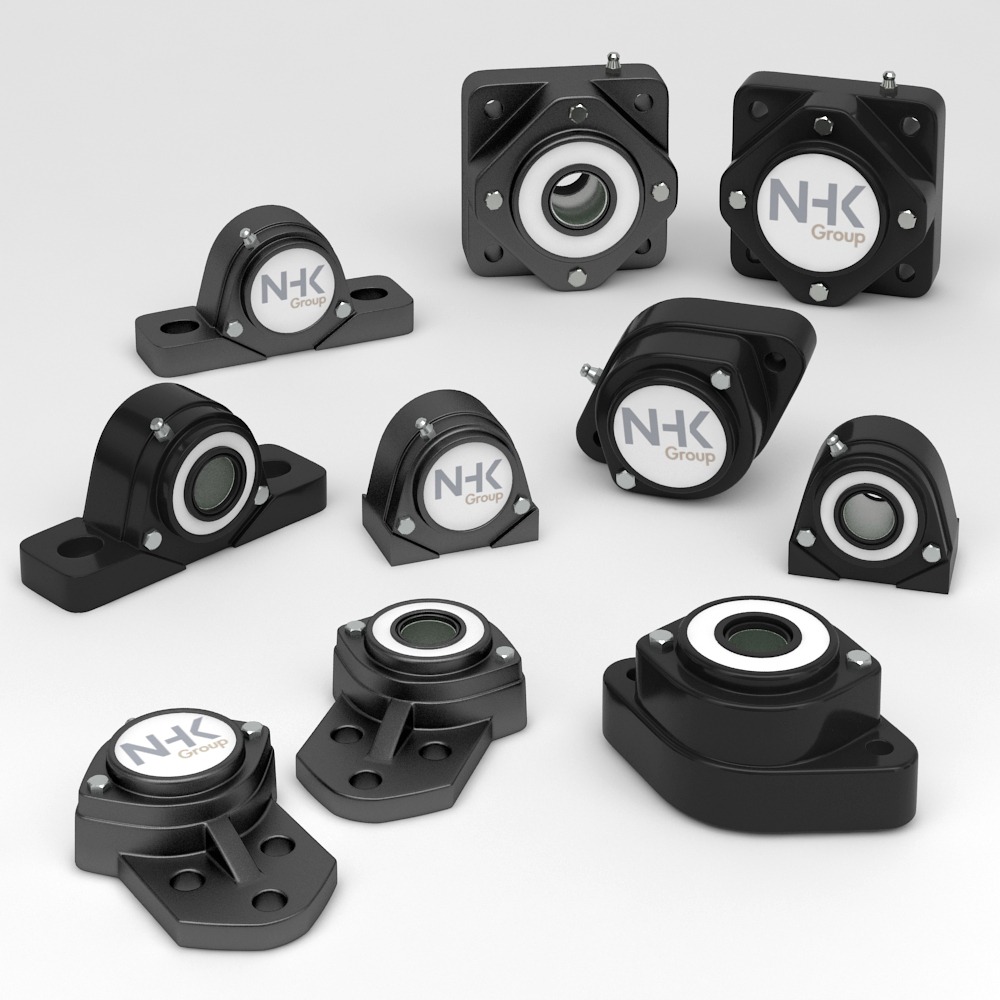
| Bearing units at shaft ends | 2 | 3 | 2 | 12 | Washdown-suited sealed design |
| Motor cover outside splash zone | 1 | 2 | 1 | 2 | Standard part acceptable |
What makes a component worth certifying?
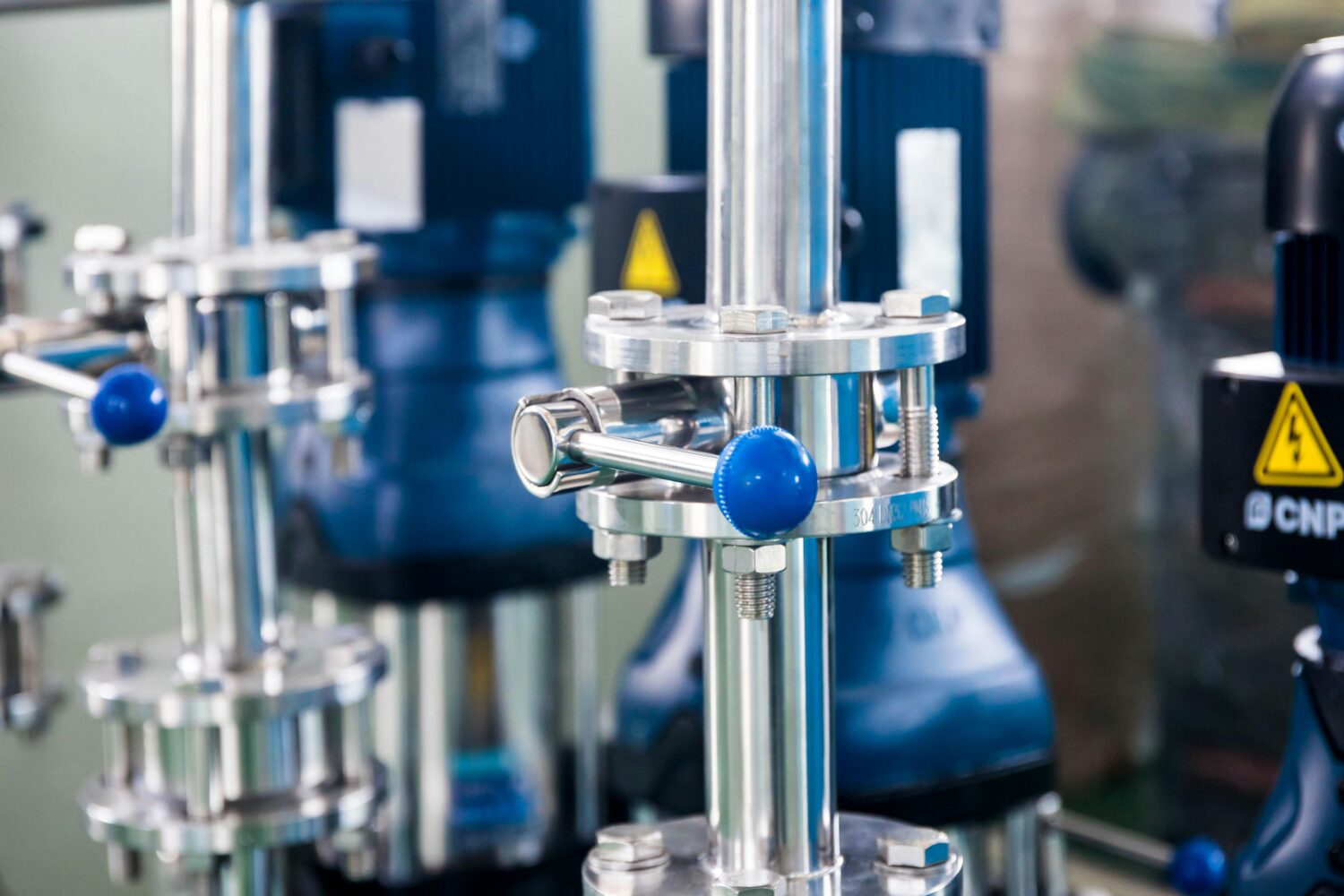
High-scoring components share features that create harbourage points – places where microbes survive cleaning – unless designed out: exposed threads, crevices (narrow gaps that trap soil), dead spaces, metal-to-metal joints and seals that cannot be inspected. A certified design shows these have been addressed and tested.
Material choice still matters alongside certification: AISI 316L where chlorides cause chloride pitting, elastomers (EPDM, FKM, VMQ) compatible with product fats and detergents, and avoidance of mixed metals that cause galvanic corrosion.
What to request from suppliers
- Certificate for the exact model and variant (EHEDG or 3-A), with validity.
- Declaration of compliance under EC 1935/2004 for food-contact materials; EU 10/2011 for plastics; FDA 21 CFR conformity if exporting to the US.
- Material certificates where traceability is required.
- Elastomer compound and its compliance statement.
- Installation and cleaning instructions – a certified design installed wrongly loses its benefit.
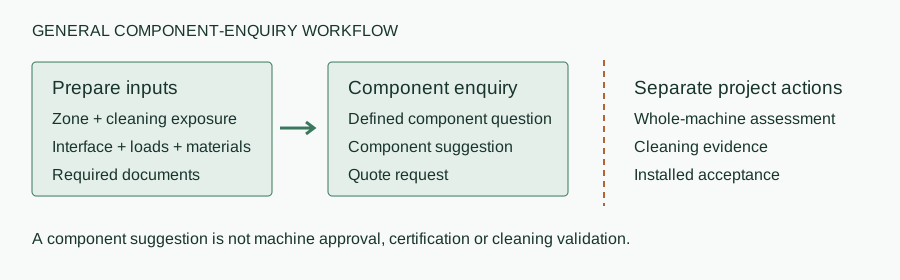
Use the supplier-claim and listed-model purchasing checks to resolve certificate identity and scope before approving the prioritized parts.
Failure modes
- Label confusion: accepting a supplier's ISO 9001 as proof of hygienic design.
- Wrong variant: the certificate covers one size or seal option, not the one ordered.
- Certified part, uncertified installation: gaps at mounting faces or uncertified fixings.
- Equal priority for all parts: cost goes up, risk at critical points does not go down.
Where to start in the NHK range
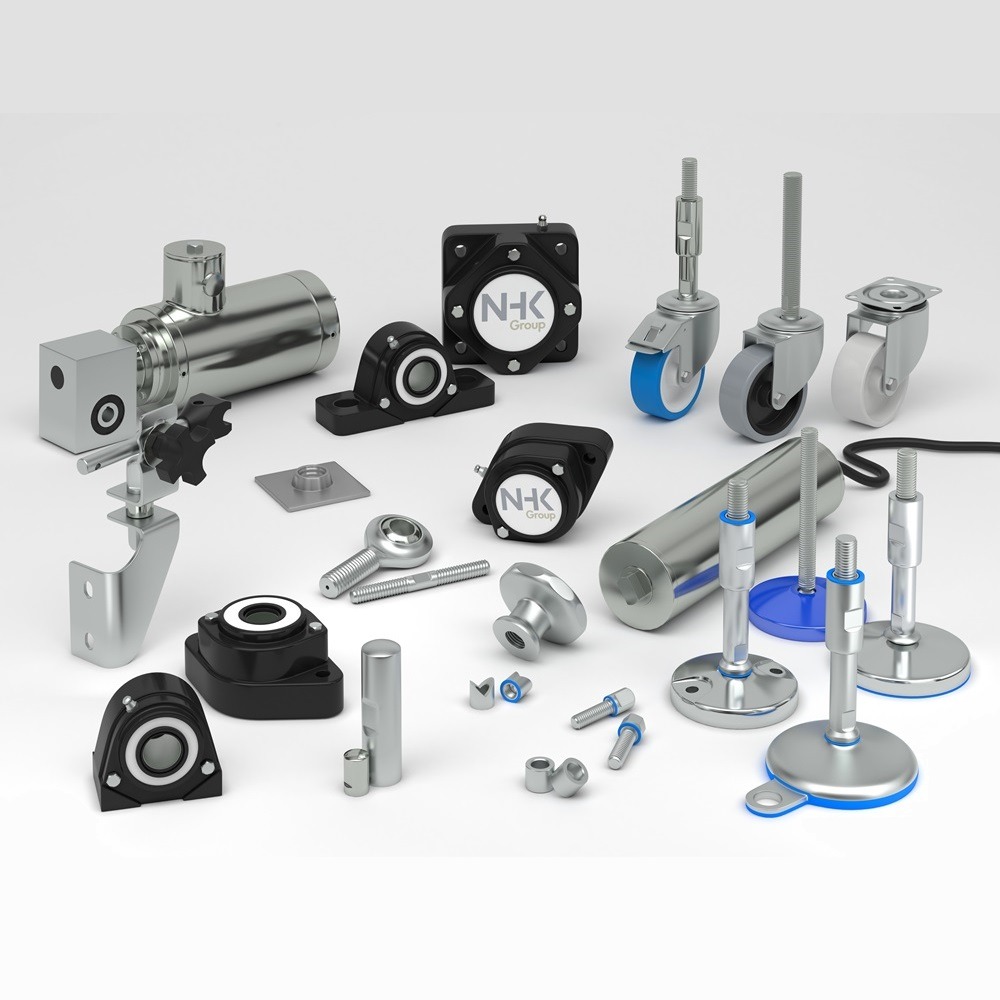
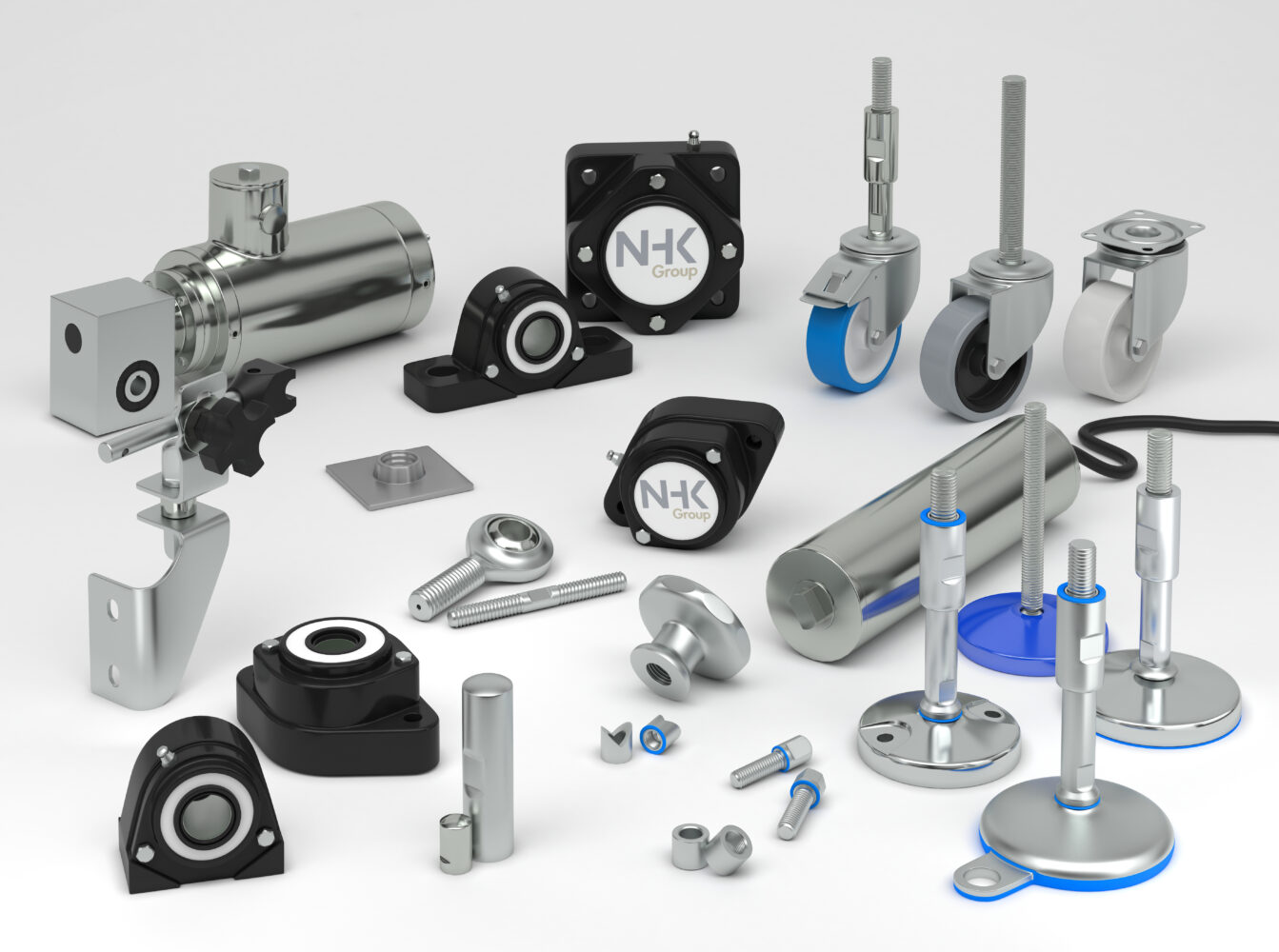
The relevant NHK line is EHEDG certified and 3-A SSI standard components; other components are in the full NHK product line. Check each model's certificate on its product page, and send questions to NHK contact.